Ballroom Music & Timing
Ballroom Dance Music Playlists
Find practice-ready ballroom music playlists by dance style, family, and platform—from Waltz, Tango, and Foxtrot to Rumba, Cha Cha, Latin, Rhythm, Smooth, wedding practice, and rounds.
About these playlists
Good ballroom practice starts with music you can actually hear, count, and use. This playlist library brings the legacy Ballroom Pages music collection into one cleaner, more useful home: organized by dance family, dance style, platform, and practice goal.
Use it to find a Waltz playlist for timing, a Rumba playlist for wedding practice, a Cha Cha playlist for energy, a Foxtrot playlist for smooth movement, or a rounds playlist when you want to practice several dances in sequence.
Not sure which dance fits your song yet? Start with the match your wedding song to a dance style tool or the ballroom dance tempo chart before choosing a playlist. New to all of this? Read ballroom dance for beginners.
Find your fit
Choose your playlist
-
I’m new to ballroom
Start with Waltz, Rumba, Foxtrot, or Cha Cha—then use the dance guide to understand the timing.
-
I’m practicing for a wedding
Choose by song feel, not just song title. Some first-dance songs fit Waltz, some fit Rumba, and some fit Foxtrot or Nightclub Two Step.
-
I’m working on timing
Listen first, count second, dance third. Use the timing guide and tempo chart when the beat is unclear.
-
I’m practicing rounds
Rounds playlists help with transitions, stamina, and switching between dances.
No verified playlist matches that filter yet. Try Spotify, choose another dance, or check the coming-soon section.
Platforms
Choose a platform
-
Spotify playlists
The strongest verified legacy collection starts with Spotify. Use these links for direct playlist access, then come back to the dance guide if you need help with timing or steps.
-
YouTube / YouTube Music playlists
Legacy YouTube playlist pages should be preserved and imported only after the URLs are verified. YouTube is especially useful when dancers want visual context, demos, or count-along practice.
Needs link review before launch
-
Apple Music playlists
Apple Music will appear only where a current, verified playlist URL exists. We do not publish guessed links.
Show only verified playlists
-
Telegram music updates
Telegram can be used as a music-update channel once ownership and current link status are verified.
Verify before rendering
Featured
Featured ballroom music playlists
Browse by family
Playlist families
All Spotify playlists below are verified legacy links. Use the filters above to narrow by dance, family, platform, or practice goal.
Ballroom / Standard playlists
Use these playlists for dances commonly associated with International Standard and traditional ballroom practice: Slow Waltz, Tango, Viennese Waltz, Slow Foxtrot, and Quickstep.
Slow Waltz
Slow Waltz 2
Tango
Tango 2
Viennese Waltz
Viennese Waltz 2
Slow Foxtrot
Slow Foxtrot 2
Quickstep
Quickstep 2
American Smooth playlists
American Smooth includes Waltz, Tango, Foxtrot, and Viennese Waltz in a style that often allows more open shapes than International Standard. These playlists are useful for social dancing, showcases, studio practice, and Smooth rounds.
Smooth Waltz
Smooth Waltz 2
Smooth Tango
Smooth Tango 2
Smooth Foxtrot
Smooth Foxtrot 2
Smooth Viennese Waltz
Smooth Viennese Waltz 2
American Rhythm playlists
American Rhythm playlists include Cha-Cha, Rumba, Swing, Bolero, and Mambo. These are useful for studio socials, first lessons, wedding practice, and Rhythm rounds.
Display note: the dance is shown here as Bolero. Legacy redirects keep the old misspelled label working without showing it on the page.
Cha-Cha 1
Cha-Cha 2
Rumba 1
Rumba 2
Swing 1
Swing 2
Bolero 1
Bolero 2
Mambo 1
Mambo 2
International Latin playlists
International Latin playlists include Cha Cha, Samba, Rumba, Paso Doble, and Jive. These are usually more rhythmically intense and should be paired with style-specific timing guidance.
International Latin Cha Cha
International Latin Cha Cha 2
International Latin Rumba
International Latin Rumba 2
Paso Doble
Paso Doble 2
Jive
Jive 2
Samba
Needs review
Wedding and social playlists
Wedding and social playlists should help couples and social dancers choose music that fits a dance, not just songs they happen to like. Start with the song matcher, then pick the verified style playlist that fits.
Not every slow song is a Rumba. Not every romantic song is a Waltz. Meter, tempo, and feel matter.
Match your wedding song
Rumba for weddings
Foxtrot for weddings
Practice and rounds playlists
Rounds playlists help dancers practice multiple dances in sequence. They are shown only when verified; otherwise they are labeled coming soon rather than published with invented links.
Rounds are best for dancers who already know the order and want to practice transitions, stamina, and musical switching.
Ballroom / Standard rounds
Coming soon
American Smooth rounds
Coming soon
American Rhythm rounds
Coming soon
International Latin rounds
Coming soon
Practice
How to use these playlists for practice
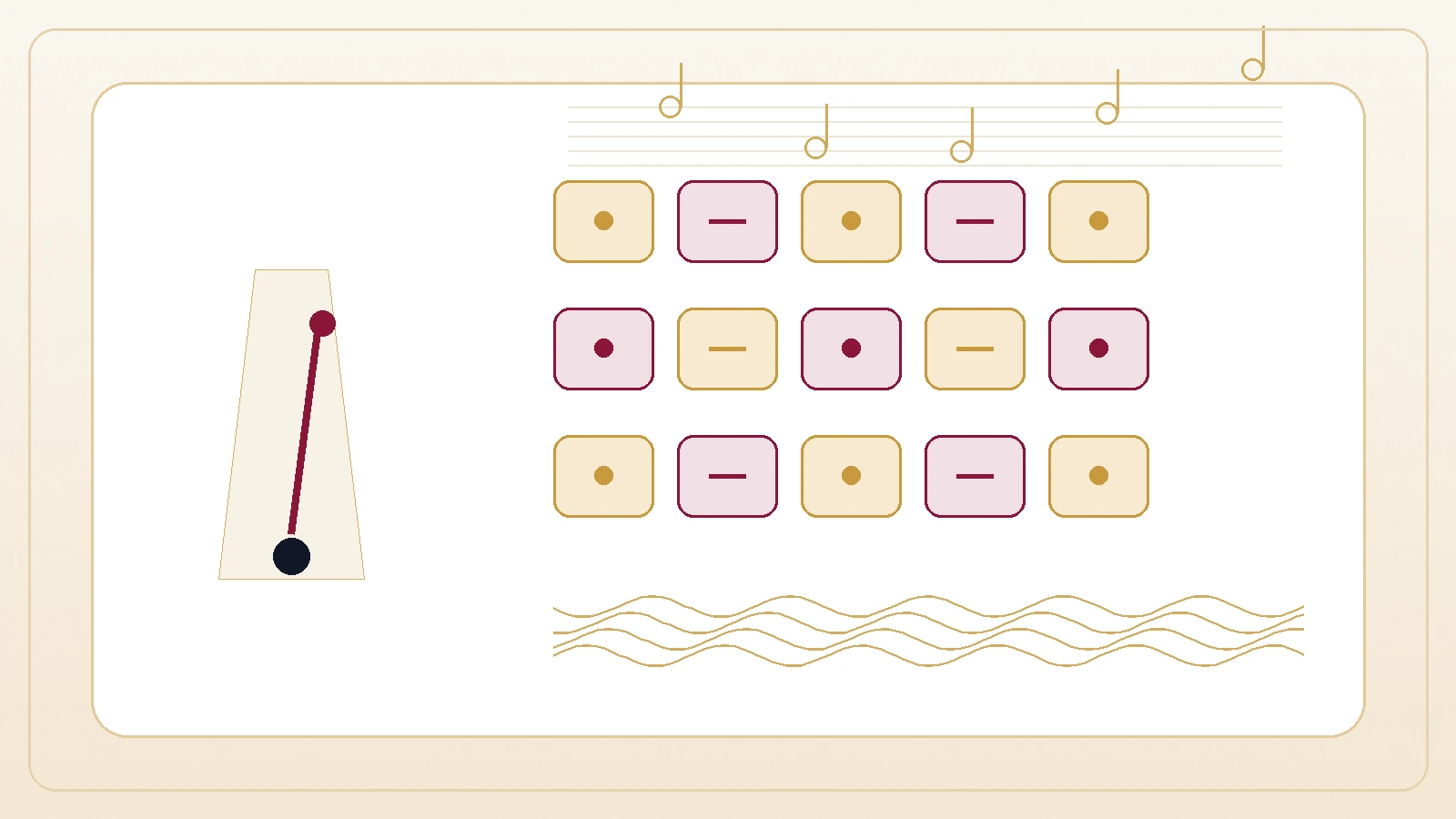
- Listen before you dance. Play 20–30 seconds and listen for the beat. Do not start with steps. Start by clapping, tapping, or counting.
- Match the playlist to the dance you are learning. A Waltz playlist will not help if you are practicing Cha Cha. A Rumba playlist may not fit a Foxtrot lesson. Start with the dance style first.
- Practice in short sections. Use one song for timing, one song for basic steps, and one song for partner connection. Beginners do not need a long playlist session to improve.
- Use the tempo chart when the music feels wrong. Some songs may be too fast, too slow, or too hard to hear. Check the ballroom dance tempo chart and ask whether the song fits your current skill level.
- Save favorites for repeat practice. The best practice song is not always the most exciting song. It is the song you can count consistently.
Match music
Match music to your dance style
| Music feel | Dance styles to check first | Next step |
|---|---|---|
| Clear 3-count, flowing, romantic | Waltz, Viennese Waltz | View Waltz guide or tempo chart |
| Smooth 4/4, walking or gliding | Foxtrot | View Foxtrot guide |
| Slow, romantic 4/4 with clear pulse | Rumba, Bolero, Nightclub Two Step | Match your wedding song |
| Sharp, dramatic, directional | Tango | View Tango guide |
| Bright Latin pulse | Cha Cha, Samba, Mambo | Learn the count first |
| Fast, bouncy, energetic | Swing, Jive, Quickstep | Start slower if you are new |
Timing
Use playlists with timing, not guesswork
The playlist is only the starting point. Ballroom music also depends on meter, count, tempo, rhythm feel, and dance context. A song can be enjoyable and still be difficult for beginner practice.
Use the tempo chart when you need reference ranges. Use the counting guide when you can hear the song but cannot find the beat.
FAQ
Ballroom playlist FAQ
What is the best ballroom playlist for beginners?
Start with the dance you are currently learning. Waltz, Rumba, Foxtrot, and Cha Cha are common beginner starting points because they help students hear different types of timing clearly.
Are these playlists for social dancing or competition?
Some playlists can support both, but the page labels intent clearly. A beginner practice playlist, a social playlist, and a competition rounds playlist may use different song choices and tempos.
Can I use these playlists for wedding dance practice?
Yes, but choose by song fit. Wedding couples should use the song matcher first if they are not sure whether their song fits Waltz, Rumba, Foxtrot, Swing, or another style.
Why are some playlists marked needs-review?
Some legacy playlist links need verification before launch. The page never publishes guessed Apple Music, YouTube, Telegram, or Samba links.
Why do some dances have two Spotify playlists?
The legacy collection includes multiple playlists for several dances. We keep both when verified, and label them clearly as “1” and “2” unless the old site provides a more specific title.
Is Bolero the same as “Balero”?
No. The dance is displayed as Bolero. We keep legacy redirect awareness for old misspelled URLs or labels.
Should I practice with the same song repeatedly?
Yes. Repeating one clear song can help beginners learn timing faster than jumping between many songs.
What should I do if a playlist song feels too fast?
Slow down, choose another track, or check the tempo chart. A playlist can contain useful music while still including songs that are too advanced for a beginner.
Keep exploring
Related resources
Ballroom Music & Timing
The hub for music, rhythm, tempo, and counting resources.
How to Count Ballroom Dance Music
Beat, count, rhythm, and counts by dance style.
Ballroom Dance Tempo Chart
BPM/MPM references by dance style.
Ballroom Dance Styles
Browse every ballroom and social dance we cover.
Waltz Dance Guide
Timing, steps, music, and beginner basics.
Rumba Dance Guide
American vs International Rumba timing and practice.
Cha Cha Dance Guide
The Cha Cha count, rhythm feel, and beginner mistakes.
Wedding Dance Guide
Choose a first dance that fits your music.
Ballroom Dance for Beginners
How to start, what to learn first, and what to expect.
Ballroom Dance Glossary
Plain-language definitions for ballroom terms.