About Ballroom Pages
Ballroom dance, explained with clarity and care.
Ballroom Pages is being rebuilt as a beginner-friendly ballroom dance learning library: clear guides to dance styles, music, timing, wedding dance, technique, gear, and ballroom terms—without the intimidation.
Editorial guides. Practical next steps. Expert review where accuracy matters.
Our mission
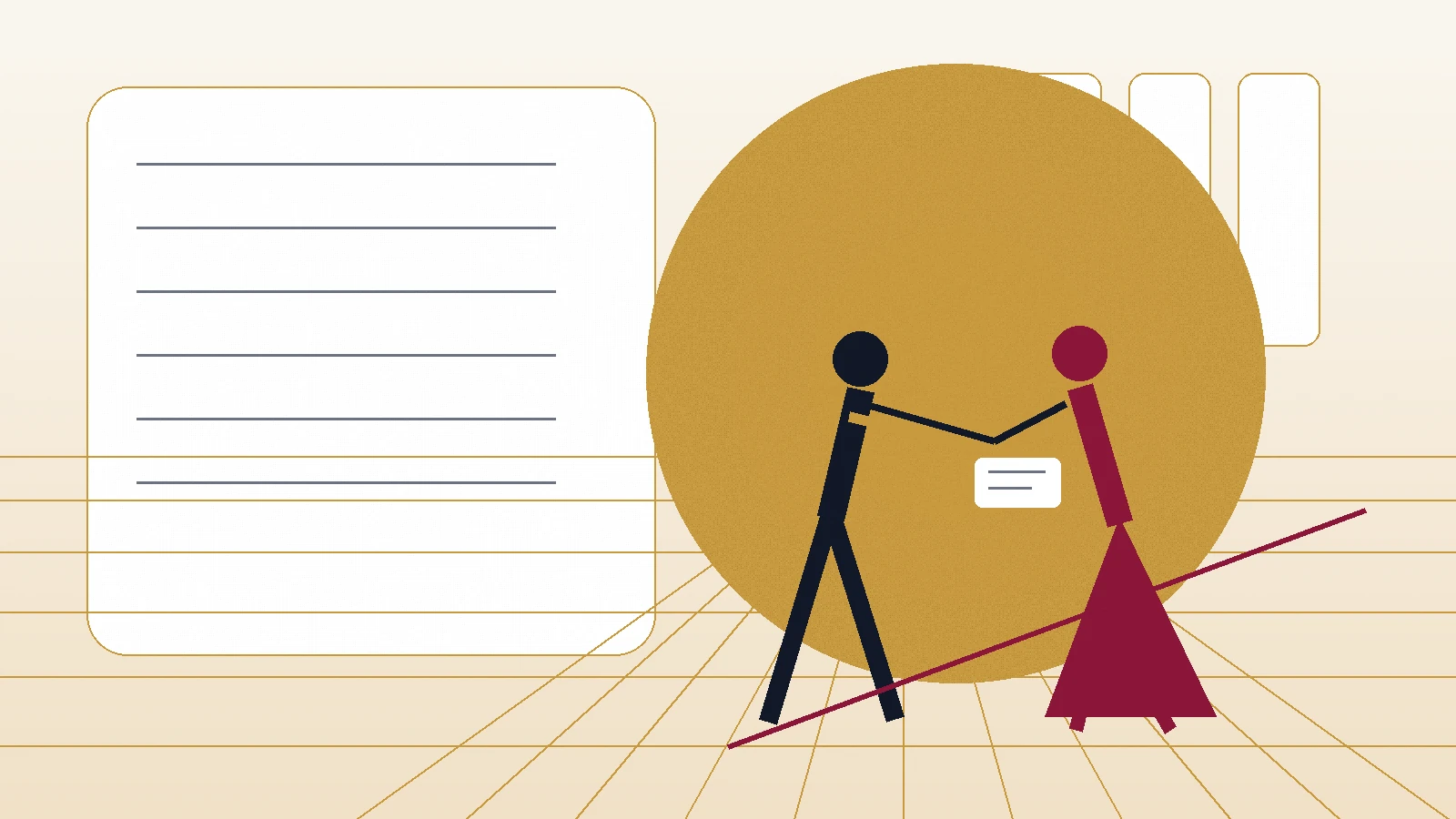
Make ballroom dance easier to understand, easier to start, and easier to keep practicing.
Ballroom can feel complicated at first: different dance families, counts, frames, steps, etiquette, shoes, wedding songs, and competition terms. Ballroom Pages turns that complexity into plain-English guides, structured learning paths, and practical resources dancers can use before, during, and after lessons.
What Ballroom Pages is
An editorial resource for learning ballroom and partner dance.
We publish guides that help readers understand the dances, hear the music, choose a starting point, prepare for a wedding dance, improve technique, and make smarter gear decisions.
The new Ballroom Pages is not built around marketplace listings, account creation, carts, or directory search. Those were part of the site’s earlier chapter. The new site is designed around clear learning: Start Here, Dance Styles, Wedding Dance, Music & Timing, Technique, Gear, and Glossary.
Who we help
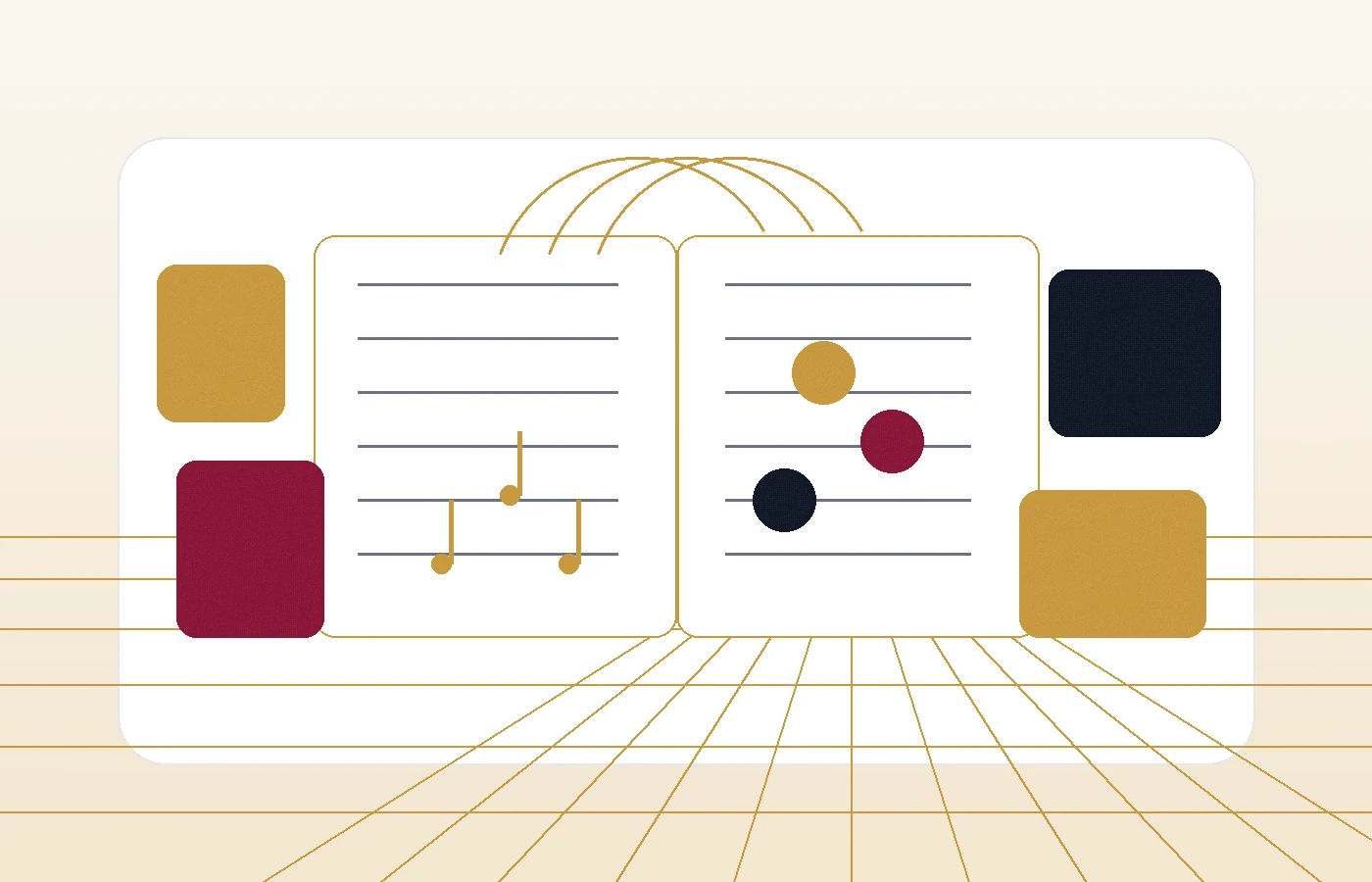
Built for dancers at every starting line.
Whether you have never set foot in a studio, are planning a wedding first dance, dance socially on the weekends, or want to sharpen your technique, Ballroom Pages meets you where you are.
-
New ballroom dancers
Start with the basics: what ballroom dance is, which styles are beginner-friendly, what happens in a first lesson, and how to practice without feeling lost.
Open beginner guides -
Wedding couples
Choose a first dance style, match a song to a dance, plan lessons, avoid common timing mistakes, and feel more confident on the dance floor.
Plan your first dance -
Social dancers
Understand etiquette, music, partner connection, and the practical skills that make dancing with others more comfortable.
Build social confidence -
Technique improvers
Learn frame, posture, lead and follow, footwork, timing, and common mistakes with clearer explanations and expert review where needed.
Improve your dancing
What we cover
A complete library across the ballroom learning journey.
Seven editorial hubs, each written to give you a next step instead of a wall of jargon.
-
Dance Styles
Waltz, Tango, Foxtrot, Rumba, Cha Cha, Swing, Salsa, Bachata, and more.
Browse styles -
Beginner Guides
What to learn first, what to expect, and how to build confidence.
Open beginner guides -
Wedding Dance
First dance planning, song matching, practice timelines, and shoe and dress considerations.
Plan a wedding dance -
Music & Timing
Counts, tempo, rhythm feel, playlists, and style-specific timing.
Learn music & timing -
Technique
Frame, posture, connection, footwork, lead/follow, and practice drills.
Improve technique -
Gear
Shoes, practice wear, accessories, and beginner buying guidance.
Explore gear -
Glossary
Plain-English ballroom terms, positions, counts, and technique words.
Open the glossary




Why trust Ballroom Pages
We reduce confusion. We do not multiply it.
Dance content can become confusing quickly. One page says to count a dance one way, another uses different terms, and a third assumes you already know the difference between American Smooth, International Standard, Rhythm, Latin, and social dance styles.
Ballroom Pages is built to reduce that confusion. Our guides are structured, beginner-aware, internally linked, and written to explain the why, not just list steps. When a topic requires technical accuracy—such as frame, posture, lead and follow, Cuban motion, competition levels, shoe selection, or wedding dance safety—we use expert review and clear review labels.
Editorial standards
Every guide should meet five tests.
- Clear — advanced terms are explained in plain English and linked to the glossary.
- Useful — every guide leaves you with a next step, practice idea, checklist, or related guide.
- Accurate — dance-family differences are separated instead of blurred together.
- Transparent — sources, update dates, review notes, and corrections pathways are visible.
- Beginner-friendly — we do not assume you already know the language of ballroom dance.
How we create and update guides
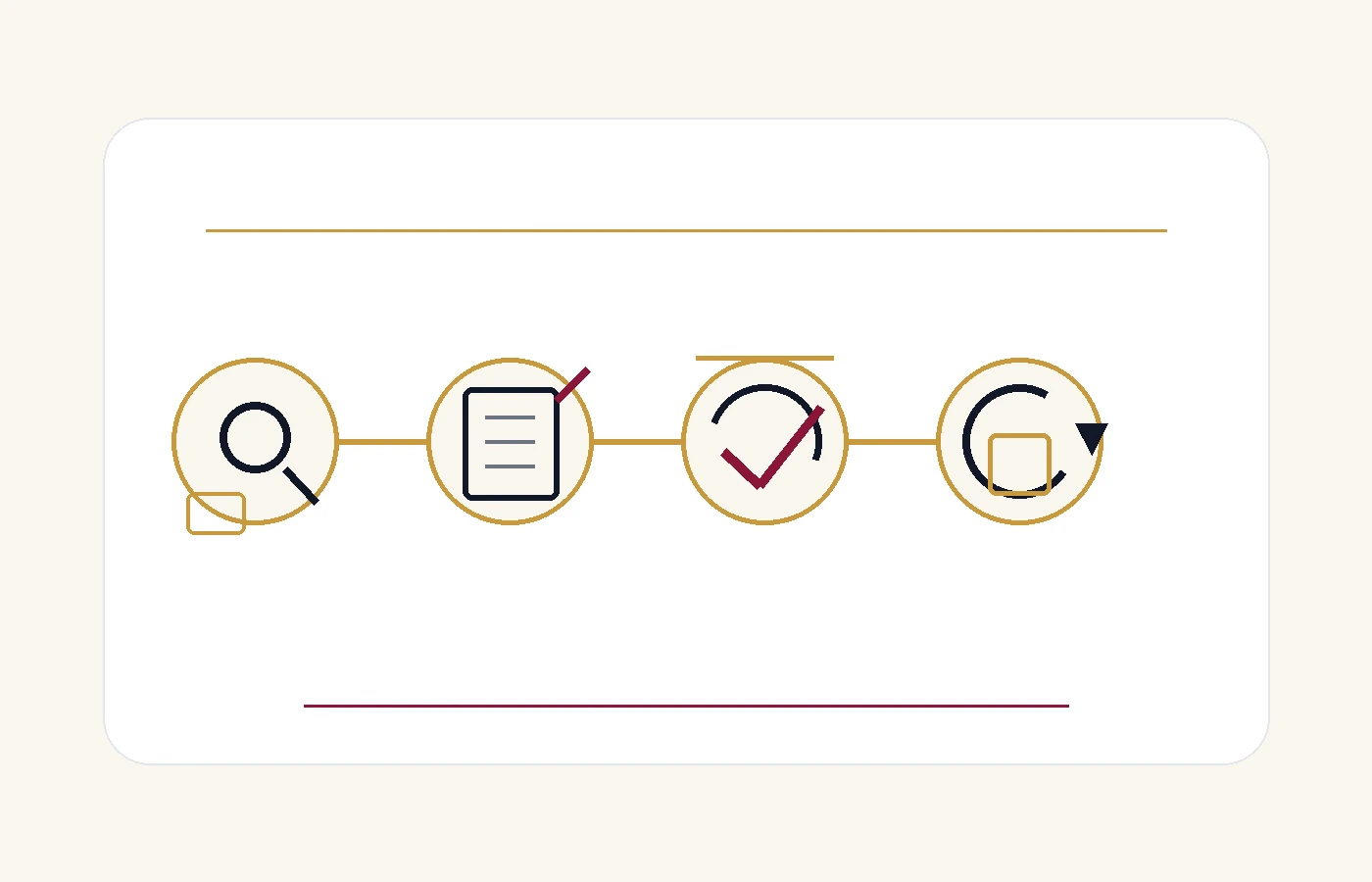
A repeatable editorial process, not a one-time publish.
Ballroom dance content should not be published once and forgotten. Guides include published dates, updated dates, review notes where relevant, source links when claims need support, and a clear way for readers to report corrections.
-
Research
We outline the topic, gather authoritative references, and check how it intersects with related guides.
-
Draft
We write in plain language, separate dance families, and link to glossary terms a beginner may not know yet.
-
Expert review
Technique, step instruction, competition, wedding dance safety, and gear topics are reviewed by qualified contributors.
-
Publish
Each guide ships with a published date, internal links to next steps, and a corrections pathway.
-
Review & update
Evergreen guides are reviewed annually; gear, song, and resource pages are checked more often.
Expert review
Some topics need a qualified set of eyes.
Some ballroom topics are simple orientation topics. Others require dance expertise. Technique, step instruction, competition preparation, wedding dance safety, and gear guidance should be reviewed by qualified instructors, experienced competitors, wedding dance specialists, or subject-matter contributors.
When a page has been reviewed, it shows who reviewed it, what their role is, and when the review happened. If a real reviewer has not been assigned yet, Ballroom Pages does not pretend otherwise.
Contributors & reviewers
Building a contributor network across ballroom.
Ballroom Pages is building a contributor and reviewer network across ballroom instruction, social dance, wedding dance, music and timing, technique, and gear. Contributors and reviewers are shown only when their real names, roles, credentials, and permissions are available.
Contributor standards
We welcome experienced teachers, competitors, adjudicators, wedding dance specialists, DJs, musicians, and knowledgeable dancers who can help make ballroom dance clearer and more accessible.
- Real names and roles, not placeholders.
- Verifiable credentials or demonstrable experience.
- Written permission to publish bio, photo, and review credit.
- Disclosure of any commercial or studio affiliations.
Our approach
Plain language. Honest scope. Clear next steps.
Ballroom Pages teaches the way a patient instructor would: separate the dances clearly, hear the music first, build technique slowly, and remember that the floor is meant to be enjoyed.
-
Beginner-first
Every advanced term is explained in plain language and linked to the glossary on first use.
-
Dance-literate
Style pages separate social, wedding, American, International, Rhythm, Latin, and competition contexts.
-
Practical
Each guide ends with what to try, what to listen for, or what to read next—not a wall of jargon.
Brand history
From community platform to editorial library.
Ballroom Pages began as a ballroom community platform that connected people with teachers, studios, events, music, products, and services. That history still matters: it showed how many dancers, couples, students, and professionals were looking for a clearer way to navigate the ballroom world.
The new Ballroom Pages keeps the useful part of that legacy—the community knowledge, music resources, and love of ballroom dance—but changes the experience. Instead of leading with listings, shopping, login flows, or event cards, the new site leads with learning.
Our reader commitments
Promises we want to be held to.
These are the working standards behind every Ballroom Pages guide. They are public so readers can hold us accountable.
-
Reader promise
We explain ballroom dance in plain language, separate dance families clearly, and give readers a next step instead of a wall of jargon.
-
Source policy
We cite official bodies, educational references, expert interviews, books, original demos, and practical examples when claims need support.
-
Corrections policy
Readers can report unclear, outdated, or incorrect information. Corrections are reviewed and reflected with updated dates when appropriate.
-
Update policy
Evergreen guides should be reviewed annually; gear, song, and resource pages should be checked more often.
-
Affiliate disclosure preview
Future gear guides may include affiliate links, but product recommendations must be educational first and clearly disclosed.
-
Safety & accuracy
Guides support learning but are not a substitute for qualified in-person instruction, especially for dips, lifts, injury-prone movement, or competition technique.
-
Inclusivity
Ballroom Pages uses leader and follower language unless a cited rule, syllabus, or historical context requires otherwise.
-
Contributor standards
Reviewers and contributors are listed only with real names, verifiable roles, written permission, and disclosed affiliations.
Community & social
A learning library, supported by the wider ballroom community.
Ballroom Pages still values the broader ballroom community. The new editorial direction connects with social channels, music resources, playlists, and future learning tools—but the website itself remains the stable learning library.
Follow Ballroom Pages for new guides, music and timing resources, beginner tips, wedding dance planning ideas, and glossary explainers.
Reader pathways
Pick your starting point.
Three simple entry points depending on what brought you here.
-
Beginner Guides
I’m brand new to ballroom dance.
Begin with what ballroom dance is, how partner roles work, and what to expect in a first lesson.
Start with Ballroom 101 -
Wedding Dance
I’m planning a wedding first dance.
Match a song to a dance, plan lessons, and avoid common first-dance mistakes.
Plan your first dance -
Music & Timing
I want to hear the dance in the music.
Learn counts, tempo, and rhythm feel so different songs start to make sense.
Learn to count music