
What’s inside the Ballroom Dance Practice Log
Quick practice log
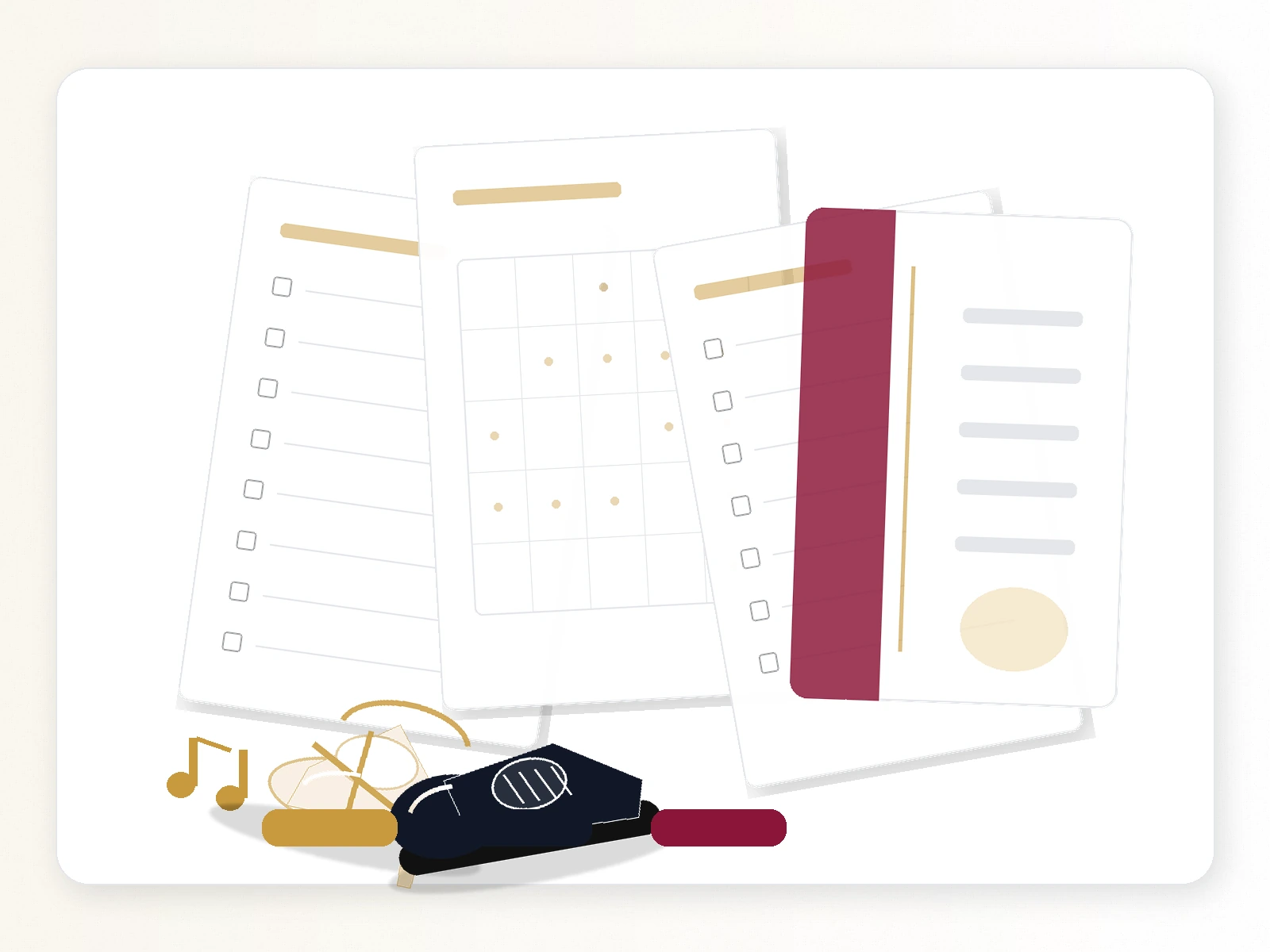
Use after any session. Record date, dance style, session type, practice length, song or playlist, figure practiced, correction, what improved, what still feels unclear, and your next goal.
Weekly practice planner
Choose one timing focus, one technique focus, one dance style, and one review question for the week.
Lesson notes
Write down teacher corrections before they disappear. Separate what your instructor said from what you noticed yourself.
Dance style tracker
Track progress by Waltz, Tango, Foxtrot, Rumba, Cha Cha, Swing, Salsa, and other styles.
Music and timing tracker
Record playlist/song, count, tempo/BPM if known, and where timing felt unclear.
Technique focus tracker
Track frame, posture, connection, footwork, balance, turns, lead/follow, and styling notes.
Wedding first dance tracker
For couples, log choreography sections, entrance, ending, shoes, outfit notes, song timing, confidence, and instructor questions.
Monthly progress review
Look for repeated corrections, dances that feel easier, timing issues that keep returning, and next lesson questions.
Who this practice log is for
Beginners
Remember new steps, basic counts, and lesson corrections.
Private lesson students
Capture exact teacher corrections and next questions.
Group class students
Track style, figure, count, and one useful takeaway.
Social dancers
Track which dances feel comfortable and which songs are easier to hear.
Wedding couples
Track first dance song, shoes, entrance, ending, confidence, and rehearsal notes.
Partner pairs
Separate individual technique from connection and communication notes.
New to ballroom altogether? Start with Ballroom Dance for Beginners and the Beginner Guides hub, then use this log to track what you learn.
How to use the practice log
Write it down soon after practice
Capture the details while they are fresh, before the lesson blurs together.
Choose one main focus
One dance, one correction, or one timing goal is enough for a useful entry.
Record the dance and music
Note the style and the song or playlist you used so timing issues are easy to revisit.
Separate corrections from observations
Keep what your instructor said apart from what you noticed yourself.
End with the next action
Finish every entry with one thing to practice and one question to ask next time.
This pairs naturally with a plan for what to practice — see the beginner practice routine.
Ballroom practice categories to track
The full template lets you record as much or as little as you need. The categories that matter most for ballroom:
Most sessions only need a few of these. Use the quick log for everyday practice and the full trackers when you want a deeper review.
Weekly practice planning
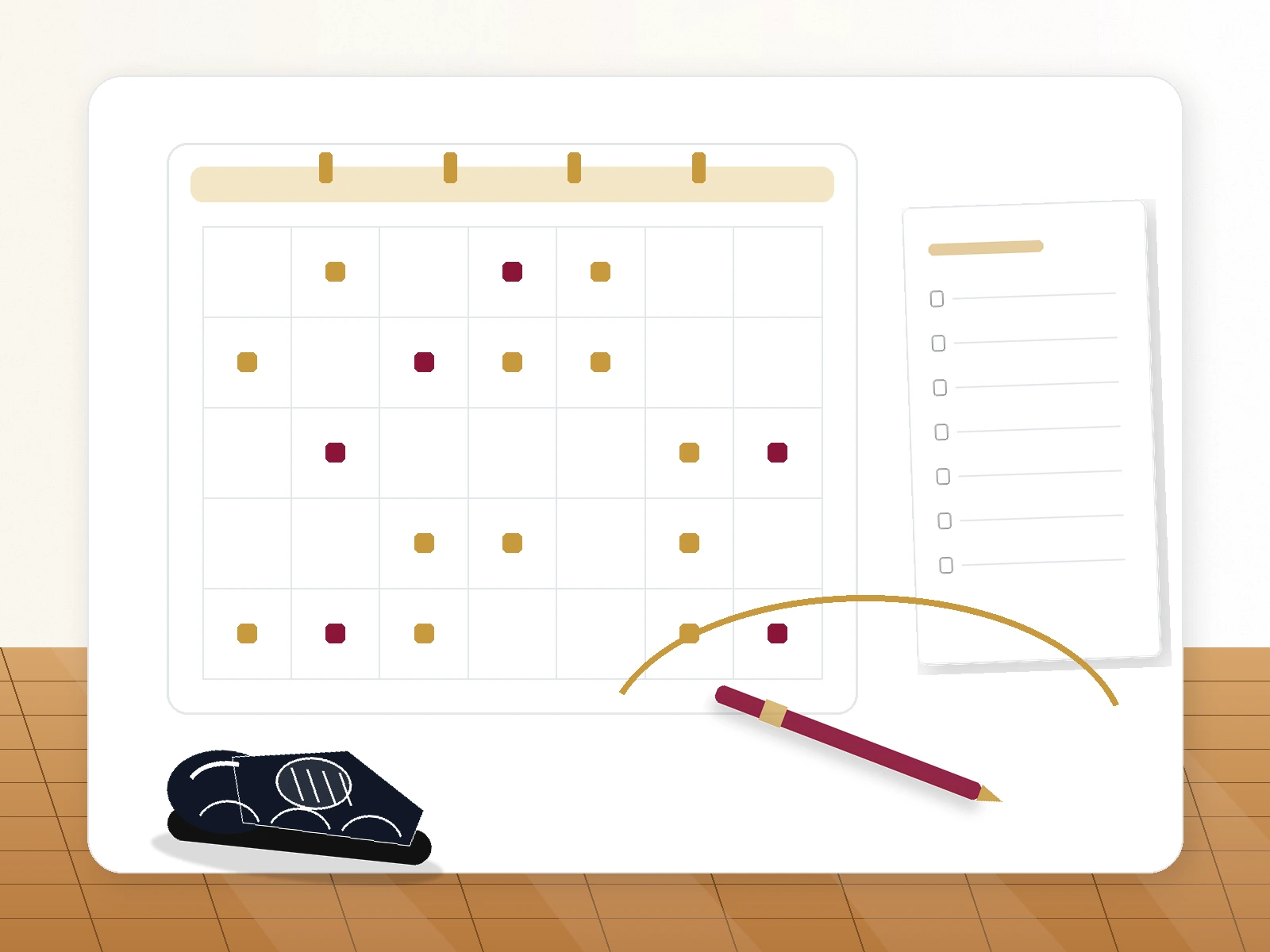
Ballroom practice works best when each week has a small focus. Choose:
- One dance style to review.
- One timing or music goal.
- One technique correction.
- One figure or pattern.
- One question for your next lesson.
A suggested week:
- Session 1: Review lesson notes and practice the basic pattern slowly.
- Session 2: Practice with music and log timing problems.
- Session 3: Practice the same pattern with your partner or review connection notes.
- Review: Write one thing that improved and one question to ask next time.
Lesson notes and teacher corrections
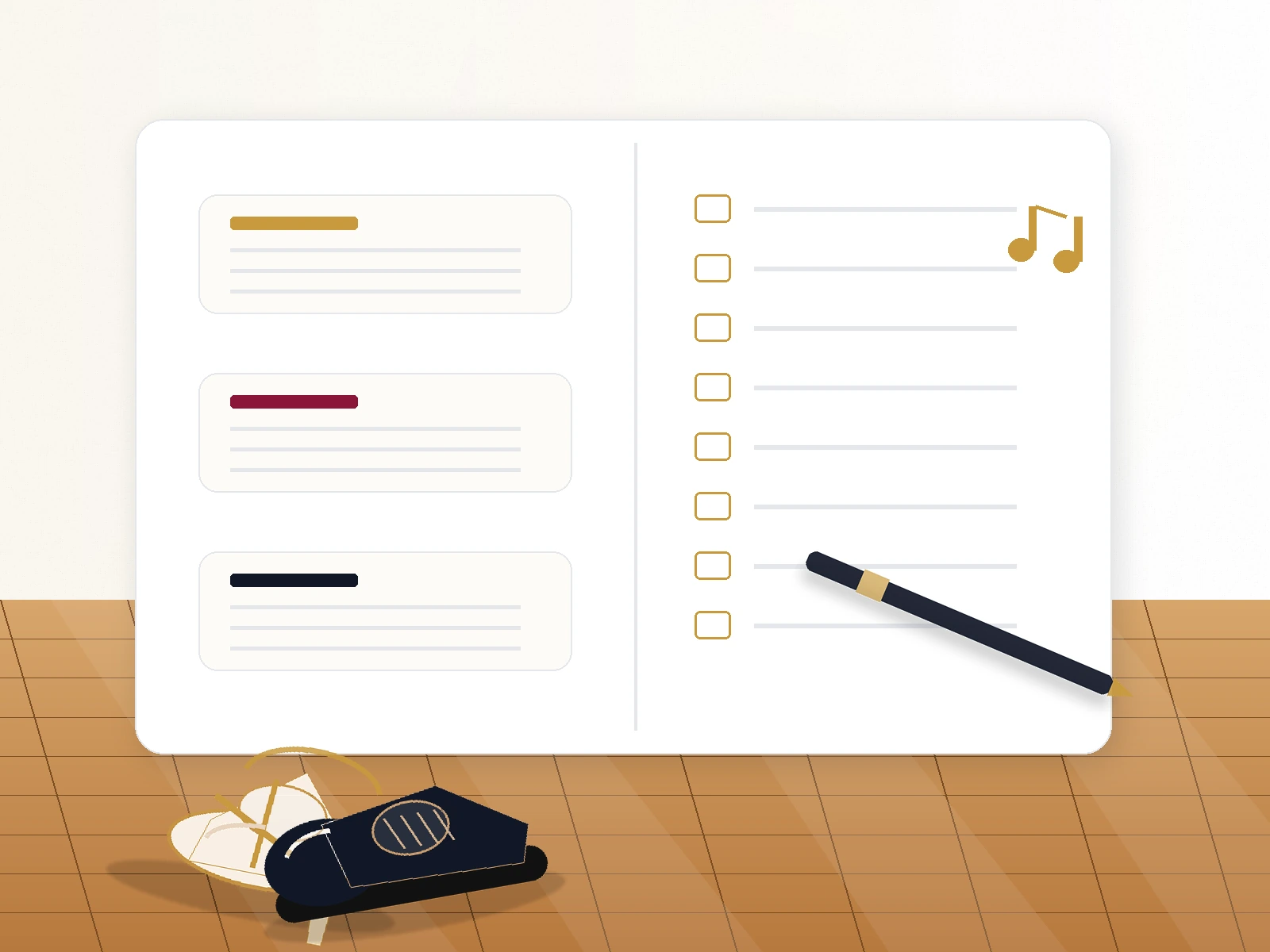
After a lesson, write down the correction in plain language. Do not worry about making it sound technical. The note only needs to make sense to you and your instructor. Helpful prompts:
- What did my instructor correct more than once?
- What did my instructor say to practice at home?
- What count, direction, or footwork detail did I miss?
- What felt better by the end of the lesson?
- What question should I ask next time?
For the technique behind common corrections, see Frame and Posture and Lead and Follow.
Dance style tracking
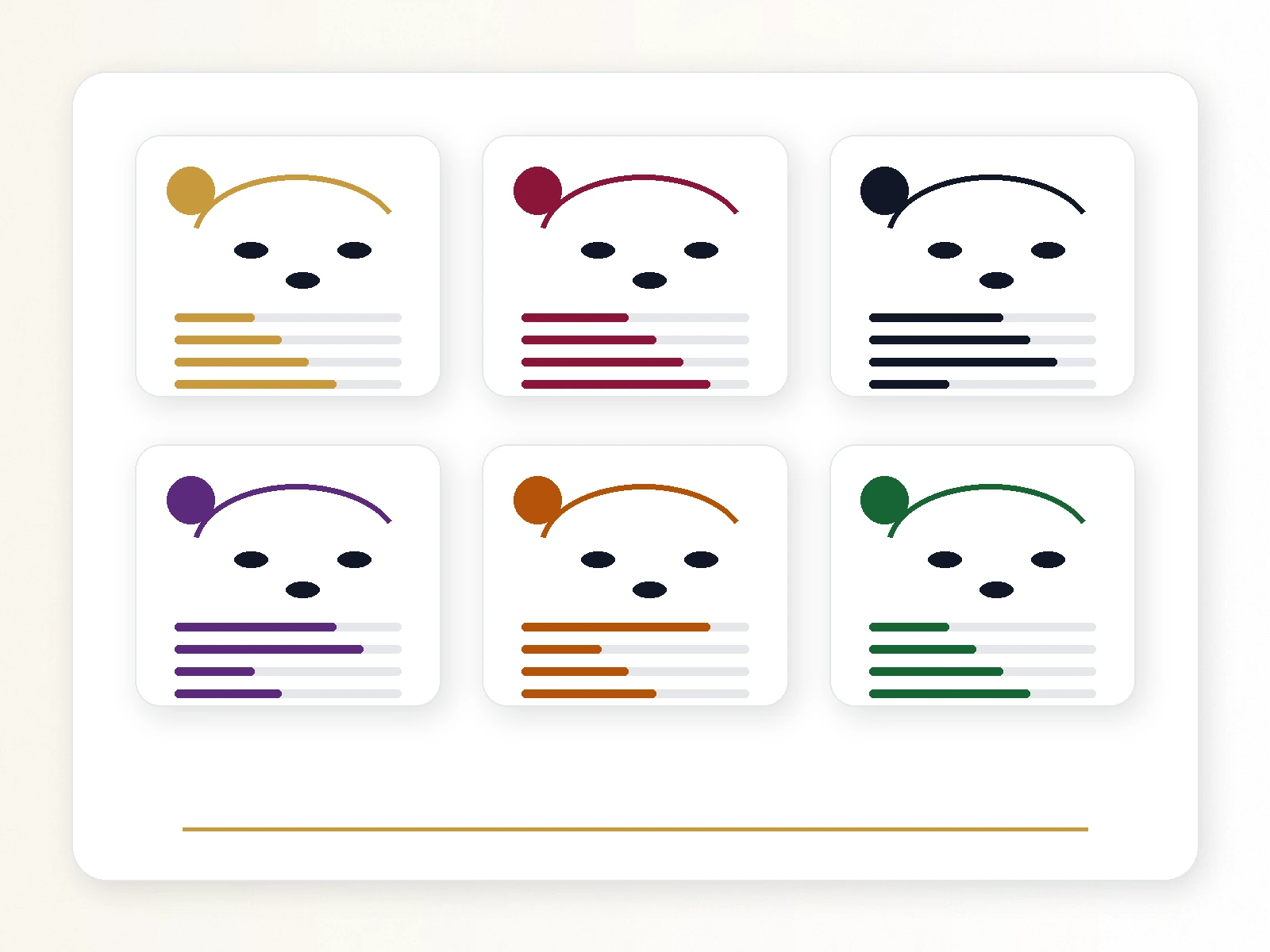
For each dance you are learning, track your current comfort level, the basic step or figure learned, timing/count notes, the song or playlist used, a common correction, and your next goal.
The tracker has space for the styles dancers practice most:
Browse every guide on the Dance Styles hub.
Music and timing tracking
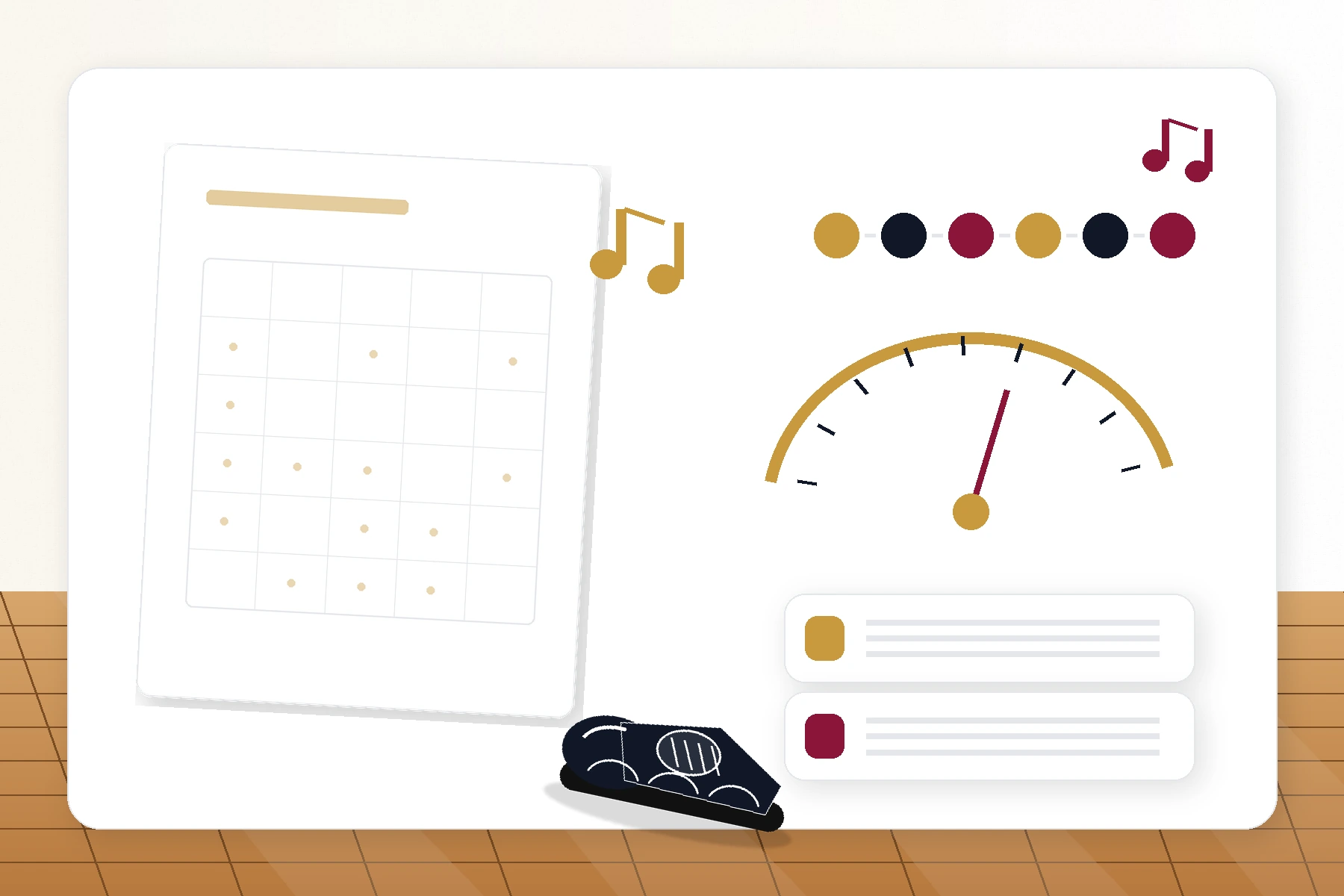
Many ballroom problems are really timing problems. Use the music tracker to record which song or playlist you practiced with and what happened. Fields include:
- Dance style.
- Song or playlist.
- Tempo/BPM if known.
- Count pattern.
- Where you started.
- Where you got off time.
- Whether the music felt easy, medium, or difficult.
- One timing goal for next time.
For help hearing counts and tempo, see How to Count Ballroom Dance Music and the Ballroom Dance Tempo Chart.
Practice with Ballroom Pages playlists
Music changes how your dancing feels. A step that seems easy in silence can feel rushed, sticky, or confusing when the song begins. Use Ballroom Pages playlists to practice with danceable music, then log what happened.
- Choose one dance style.
- Play one song or playlist.
- Practice your simplest version.
- Write down where timing felt clear.
- Write down where you lost the count.
- Bring that note to your next lesson.
-
Music & Timing hub
Tempo, counting, and the full playlist library in one place.
-
Ballroom Music Playlists
Practice playlists organized by dance.
-
Waltz Playlist
Use for Waltz timing and slow 3/4 practice.
-
Tango Playlist
Use for Tango timing, character, and controlled practice.
-
Foxtrot Playlist
Use for Foxtrot walking timing and smooth practice.
-
Rumba Playlist
Use for Rumba timing and slow romantic practice.
-
Cha Cha Playlist
Use for Cha Cha count practice.
-
Swing Playlist
Use for testing faster rhythm, timing, and social-dance energy.
-
Salsa Playlist
A verified Ballroom Pages Salsa playlist is on the way.
Playlist coming soonSalsa guide
-
Wedding / First Dance Playlist
A dedicated first-dance playlist is being curated.
Playlist coming soonFirst dance songs
Wedding first dance practice log
Your first dance practice has extra details that regular practice does not always include. The wedding variant tracks:
- Song title.
- Dance style or movement style.
- Song timestamp for entrance.
- Song timestamp for turn or highlight moment.
- Ending pose.
- Shoes worn during practice.
- Outfit or hem notes.
- Venue/floor notes.
- Confidence level.
- Question for instructor.
- What to simplify if the week gets busy.
Plan the wedding timeline separately with the First Dance Practice Plan, choose footwear with Wedding Dance Shoes, and explore the Wedding Dance Guide.
Solo practice vs partner practice
Solo practice
Use solo practice for timing, footwork, posture, balance, step memory, and listening to music. Track count, foot placement, direction, balance, repeated correction, and music comfort.
Partner practice
Use partner practice for connection, timing together, starting, stopping, turns, spacing, and communication. Track what felt clear, where lead/follow became confusing, whether both partners heard the same count, which part needs instructor review, and what felt better by the end.
Sharpen solo work with Solo Practice Drills.
Printable, Google Sheet, Notion & digital versions
| Format | Best for | Watch out for | Status |
|---|---|---|---|
| Printable PDF | Dance bag, lesson notebook, pen-and-paper notes | Less searchable after printing | Primary format |
| Fillable PDF | Tablet users who type notes | Requires extra QA | Optional Phase 2 |
| Google Sheets | Searchable tracking, dashboards, style totals | Requires Google account and correct copy permissions | Secondary digital format |
| Notion template | Dancers already using Notion | Not everyone wants Notion | Optional bonus |
| Web preview | Trying the structure before downloading | Preview only; not a full app | On-page trust builder |
Example completed practice log entry
Here is what a filled-in quick log looks like after a focused solo session:
Quick practice log — May 22, 2026
- Practice length
- 25 minutes
- Session type
- Solo practice
- Dance style
- Rumba
- Song or playlist used
- Ballroom Pages Rumba playlist
- Timing / count focus
- Find the 1 and avoid rushing the weight change
- Step or figure practiced
- Basic box pattern and underarm turn entry
- Technique focus
- Keep frame lifted without tightening shoulders
- Frame / posture notes
- Left shoulder lifts when I start thinking about the turn
- Lead/follow notes
- Ask instructor how the turn should be prepared
- Footwork notes
- Smaller side step helped timing
- Teacher correction
- Do not collapse the frame when changing direction
- What improved
- I stayed calmer through the second half of the song
- What still feels unclear
- How early to prepare the turn
- Confidence level
- 3/5
- Next practice goal
- Practice one song with only basics and count out loud
- Question for instructor
- What should I feel before leading/following the turn?
Common mistakes when tracking practice
Writing too much
Capture one correction, one win, and one next step.
Only tracking minutes
Record what you practiced and how clearly you practiced it.
Ignoring music
Log the song or playlist because timing issues often show up only when music starts.
Mixing teacher corrections with personal guesses
Keep instructor corrections separate from your own observations.
Tracking every possible category every time
Use the full template when needed, but use the quick log most of the time.
Never reviewing old notes
Read your last entry before your next lesson or practice session.
Treating the log like a scorecard
The log is not a grade. It is a memory aid and practice guide.
Forgetting partner notes
If practicing with a partner, record what felt clear and what felt confusing for both roles.
Skipping questions
Next lesson questions are one of the most valuable parts of the log.
Expecting logging to replace instruction
A log supports learning, but it does not replace personalized feedback from a qualified teacher.
Ready to track your next practice session?
Download the Ballroom Dance Practice Log and keep your lesson notes, music practice, corrections, and next-session goals in one place.