What you’ll practice
This routine is built around seven beginner skills that show up in almost every ballroom dance.
| Area | What it means | Focus |
|---|---|---|
| Timing and counting | Hearing the beat and matching steps to music | Count out loud before moving |
| Posture and frame | Staying upright, balanced, and connected | Relax shoulders, keep tone without gripping |
| Basic footwork | Practicing one simple step pattern | Use one dance at a time |
| Weight changes | Knowing which foot has your weight | Step fully before the next count |
| Lead/follow or partner connection | Communicating through timing, frame, and movement | Practice gently; avoid pulling |
| Repetition with music | Using songs to make practice realistic | Slow first, then closer to tempo |
| Review notes | Capturing what to ask next lesson | Write one question and one win |
Before you start: practice setup
Set up your practice so you can focus on dancing, not troubleshooting. You do not need a full ballroom floor, but you do need a safe space, a clear goal, and music you can count.
- Space: clear enough room for small forward, side, and back steps.
- Footwear: wear dance shoes if you own them; otherwise choose clean, secure footwear that does not stick dangerously or slide uncontrollably. See ballroom dance shoes for beginners.
- Mirror or phone camera: use it for posture and frame checks, not for self-criticism.
- Music/playlist: start with a slow or familiar song before dancing at full energy.
- Notebook/log: track date, dance, count, step, mistake, question, and confidence.
- Partner/no partner: practice alone for timing and footwork; practice with a partner for connection and shared movement.
- Safety note: avoid lifts, dips, fast spins, deep backbends, and advanced rotation unless a qualified teacher has shown you how to do them safely.
Choose your routine
Choose the shortest routine you can repeat. A consistent 15-minute session is more useful than an ambitious plan you never start.
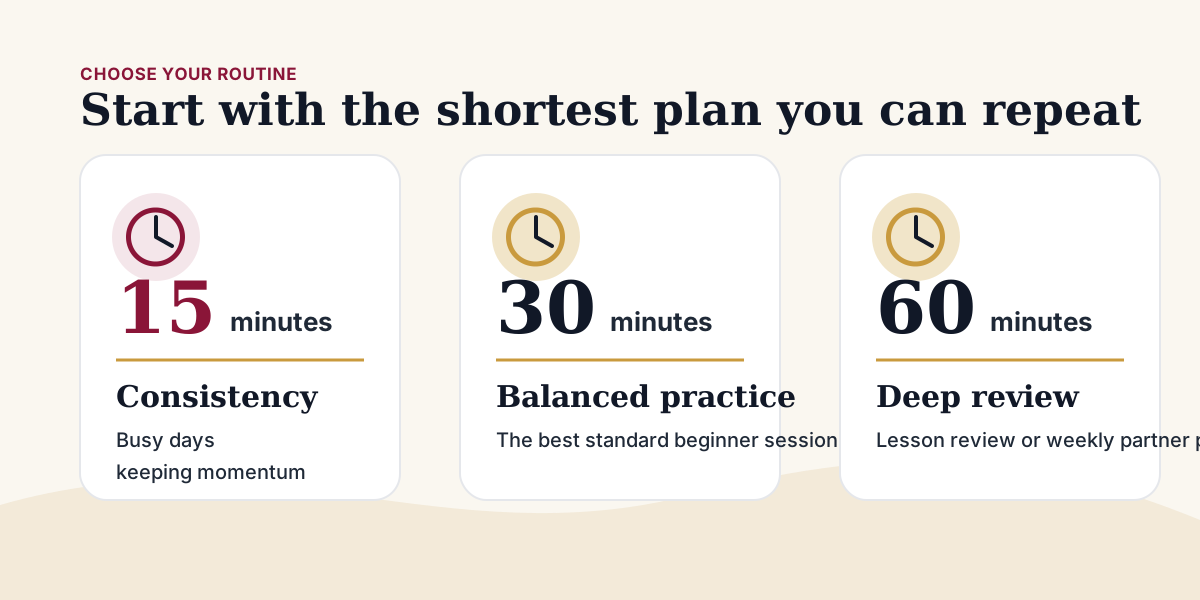
15-minute routine
Start here30-minute routine
Use this default60-minute routine
Plan a deeper sessionThe 15-minute ballroom practice routine
Who it’s for: busy beginners, between-lesson review, days when you only have one or two songs. Use this when you only have one song and a few minutes.
- 2 min
Warm-up and posture check
Stand tall, soften knees, relax shoulders, breathe, and walk a few slow steps.
- 3 min
Count music and clap/step the beat
Play one slow song. Clap the beat, count out loud, then step in place.
- 3 min
Frame / posture / weight transfer
Check that your weight fully arrives over each foot. If practicing frame, keep tone without gripping.
- 5 min
One basic step from one dance
Choose Waltz box, Rumba box, Cha Cha basic, Foxtrot basic, or East Coast Swing basic. Practice slowly before adding music.
- 2 min
Review notes
Write one thing that improved, one thing that felt confusing, and one question for your teacher.
Playlist: play one slow song for timing, then one practice song for the dance you are reviewing. Avoid: switching dances every minute, practicing turns at full speed, staring at your feet the whole time, or skipping the review note.
The 30-minute ballroom practice routine
Use this two or three times per week when you want a balanced session. It is the recommended default.
- 3 min
Warm-up
Walk, shift weight, breathe, and check your posture.
- 5 min
Timing / counting
Play a song. Count the beat, clap, step in place, then count while walking.
- 5 min
Posture / frame / connection drill
Solo: check shoulder and ribcage alignment. Partner: stand in a comfortable frame and shift weight together without pulling.
- 10 min
Basic step practice
Drill one basic from one dance. Start without music, then add a slow song.
- 5 min
Practice with music
Dance the basic to one full song or short playlist segment. Keep the goal simple: stay on time.
- 2 min
Notes and next lesson questions
Record your dance, count, pattern, mistake, and one teacher question.
- Solo option: replace partner connection with mirror/video posture review and weight-transfer drills.
- Partner option: spend five minutes walking and shifting weight together before adding a pattern.
- Playlist integration: use a timing song, one dance-specific song, and one review song.
- Mistake check: ask—Am I on time? Am I gripping? Did I finish each weight change? Did I look down the whole time?
The 60-minute ballroom practice routine
Use this for weekly review, after a lesson, partner practice, or deeper music/timing work.
- 5 min
Warm-up and posture
Walk, breathe, check alignment, and loosen tension.
- 10 min
Music / counting
Count two different songs. Clap, step in place, then mark the basic rhythm.
- 10 min
Technique focus
Choose one: posture, frame, weight transfer, foot placement, or connection. Keep it slow and specific.
- 15 min
First dance block
Practice one basic and one lesson pattern from a single dance.
- 10 min
Second dance block or partner work
Choose a second dance, or stay with the same dance and practice partner connection.
- 5 min
Full run-through with music
Dance a simple sequence to one song. Aim for timing and calm recovery, not perfection.
- 5 min
Notes, questions, next steps
Write what improved, what broke down, and what you want a teacher to check.
Avoid overload: take short pauses, slow down when timing breaks, and stop if the movement becomes tense or sloppy. After a lesson, review only what was taught—do not add five new online patterns before your body understands the material.
Solo ballroom practice routine
Solo practice is not “less real.” It is where you train the pieces that make partner dancing easier: hearing the beat, knowing your weight, standing with balance, and remembering the basic step.
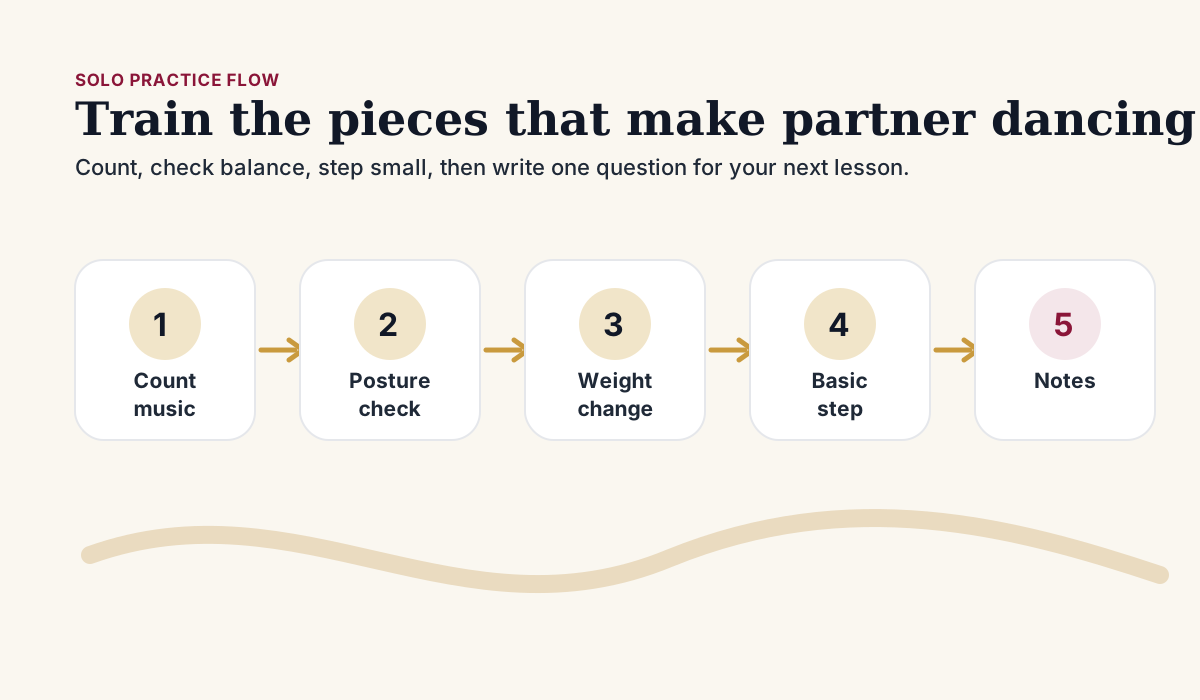
- Count music out loud.
- Step the beat without traveling.
- Practice weight changes forward, side, and back.
- Review one box step or basic footwork pattern.
- Check posture and frame shape in a mirror.
- Record 10 seconds of video for alignment, not judgment.
- Write one note for your next lesson.
Solo practice cannot replace lead/follow connection, shared timing, floorcraft, comfort in hold, or teacher feedback. A dedicated solo practice drills guide is planned.
Partner ballroom practice routine
Partner practice works best when both dancers agree on one focus. Do not try to fix timing, frame, styling, and five patterns at the same time.
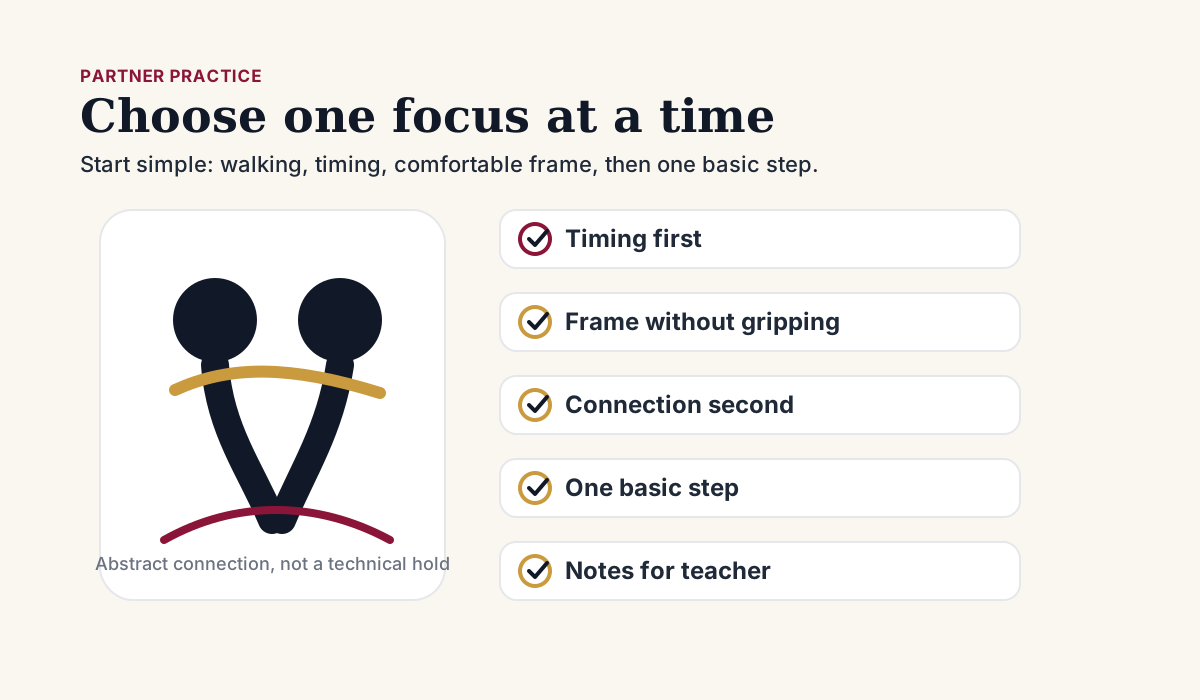
- Start with walking and weight transfer.
- Practice frame without gripping.
- Choose one basic step only.
- Focus on timing first.
- Then focus on connection.
- Then add the pattern.
- End with one shared question for your next teacher.
Use leader/follower language throughout, and avoid gendered assumptions. To go deeper, read lead and follow and frame and posture.
Small-space home practice
A living room can be useful for review, but it is not the same as a ballroom floor. Keep movements smaller, reduce rotation, and choose drills that fit the space.
- Mark steps smaller.
- Use tape or a rug edge only as a visual guide; do not create a tripping hazard.
- Rotate less.
- Avoid fast spins, dips, lifts, and deep shapes.
- Practice direction changes slowly.
- Keep pets, cords, furniture, and slippery socks out of the way.
- Do not claim small-space practice is equivalent to full-floor practice.
Weekly ballroom practice plan
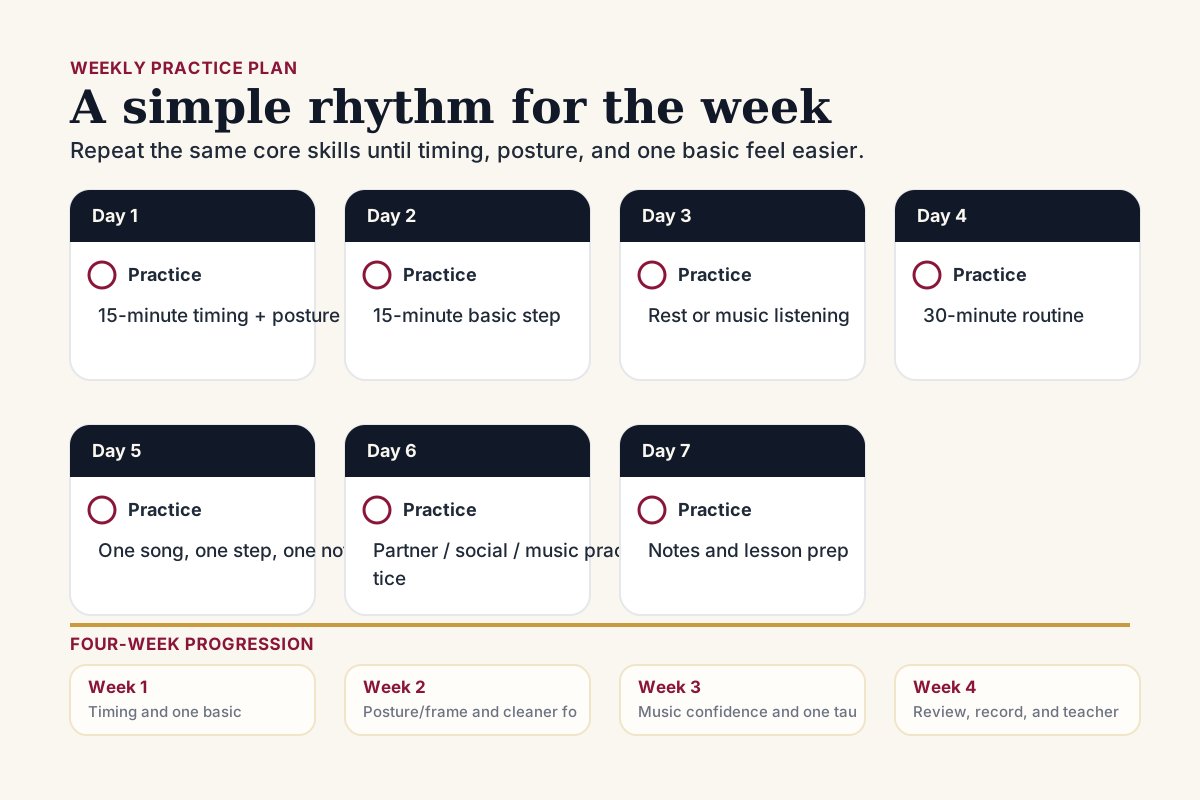
| Day | Task |
|---|---|
| Day 1 | 15-minute timing + posture |
| Day 2 | 15-minute basic step |
| Day 3 | Rest or music listening |
| Day 4 | 30-minute routine |
| Day 5 | Short review: one song, one step, one note |
| Day 6 | Partner / social / music practice |
| Day 7 | Notes and lesson prep |
| Week | Focus |
|---|---|
| Week 1 | Timing and one basic |
| Week 2 | Posture/frame and cleaner footwork |
| Week 3 | Music confidence and one turn/pattern if taught |
| Week 4 | Review, record, and prepare teacher questions |
Repeat the same core skills for four weeks. Progress does not come from collecting more steps; it comes from making a few steps easier to repeat with music.
Practice by goal
I’m brand new
Use the 15-minute routine. Practice timing, posture, and one basic.
I’m preparing for a first lesson
Practice listening to music and walking on the beat. Read the first lesson guide.
I’m practicing after a lesson
Review only what your teacher assigned. Write down questions.
I’m dancing with a partner
Practice weight transfer, frame comfort, and one basic before adding patterns.
I’m preparing for a wedding
Use this general page for fundamentals, then follow the wedding-specific first dance practice plan.
I’m trying to improve social dancing
Add etiquette and floorcraft practice; focus on calm starts and stops. See dance etiquette and social dancing.
I’m competition-curious
Keep this routine as a foundation, but get instructor feedback before technical or syllabus-specific work.
Dance-specific practice cards
Rumba
Cha Cha
Foxtrot
East Coast Swing
Practice with Ballroom Pages playlists
Music turns practice into dancing. Start by listening without moving. Count the beat out loud. Then mark the rhythm with small steps. Only after that should you dance the pattern.
- Listen first: what is the pulse?
- Count second: can you count the phrase without guessing?
- Move third: step small and stay relaxed.
- Review last: which count or moment broke down?
-
Waltz (Spotify & Apple Music)
Slow Waltz for the 1-2-3 feel. Verified Ballroom Pages playlists.
Slow Waltz on Spotify Slow Waltz 2 Slow Waltz on Apple Music
-
Cha Cha, Rumba, Swing, Foxtrot
Spotify practice playlists for the other beginner-friendly dances.
-
Playlist hubs
Browse the full Ballroom Pages music ecosystem.
-
Ballroom Pages Music on Telegram
Follow along for new practice playlists.
Open the Telegram channel YouTube / YouTube Music URLs to verify
More: Ballroom Music & Timing, the tempo chart, and how to count ballroom dance music.
Common beginner practice mistakes
Practicing too many patterns
Choose one dance and one basic step.
Skipping music and timing
Count first, clap second, step third.
Looking down constantly
Glance only when needed; reset posture after each attempt.
Holding the frame too tightly
Use tone without gripping or pulling.
Practicing fast before practicing clearly
Slow down until the step and count are understandable.
Ignoring weight changes
Say which foot has your weight after each step.
Practicing only with a partner
Add solo timing and footwork review.
Practicing only alone
Add partner practice or teacher feedback for connection.
Not writing down lesson notes
Record one win, one mistake, one question.
Not asking for teacher feedback
Bring your notes to the next lesson.
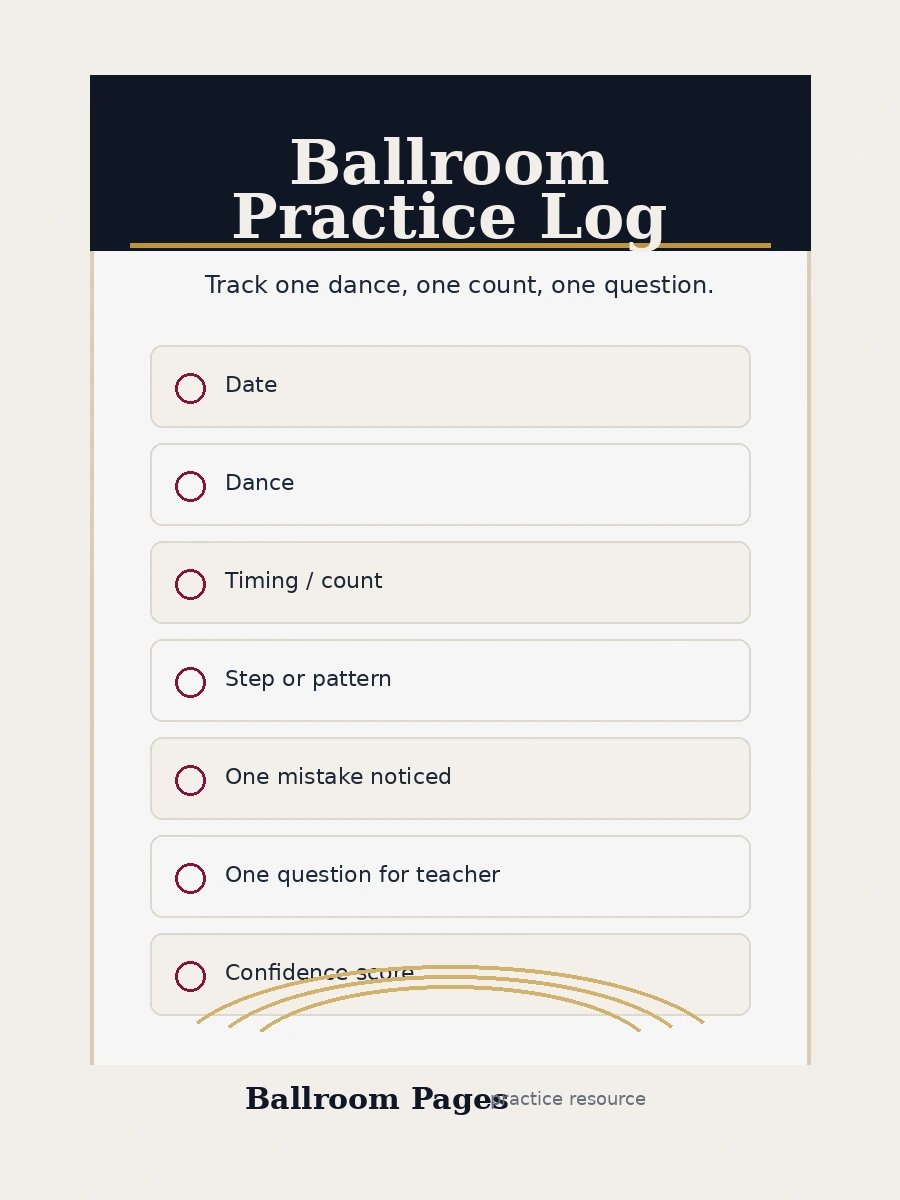
How to track your practice
A practice log keeps you from starting over every session. It also helps your teacher see what you worked on and where you need feedback.
- Date
- Dance
- Timing/count
- Step/pattern
- One mistake noticed
- One question for teacher
- Confidence score from 1–5
When to get feedback
Feedback is not a sign that you are failing. It is how partner dancing becomes clearer. Ask for help when the same timing problem repeats, when partner connection feels tense, when you are unsure which foot has weight, or when a movement requires rotation, dips, lifts, or fast turns.
- Signs you need a teacher’s eye: the same count keeps slipping, or a movement feels tense or unstable.
- When video feedback helps: short clips show posture and timing you cannot feel in the moment.
- Why partner connection should be coached: connection is hard to self-assess and easy to over-grip.
- This is normal and shame-free—every dancer reviews fundamentals.
Related guides
See common ballroom dance mistakes; a solo practice drills guide is planned.