
What dance etiquette means
Dance etiquette is simply the shared courtesy that keeps a social dance floor friendly, safe, and fun. It is not a strict rulebook, and it is not about being “proper.” It is about making sure everyone—beginners and experienced dancers alike—feels respected and comfortable.
Most etiquette comes down to a few habits: ask kindly, respond graciously, dance to your partner’s comfort level, share the floor safely, and look after your hygiene and boundaries. None of it requires advanced skill, which is why etiquette is one of the most beginner-friendly things you can learn before your first social dance.
Keep one thing in mind throughout this guide: norms vary by venue, style, and event. A formal ballroom social, a salsa club, a swing dance, and a wedding reception all have slightly different cultures. When in doubt, watch what regulars do, and ask the host or an organizer.
Before you ask someone to dance
A little preparation makes asking feel far less intimidating:
- Know one or two basics. You do not need a big repertoire—one comfortable basic step is plenty. If you are brand new, start with ballroom dance for beginners.
- Listen to the music first. Hearing the beat ahead of time makes the floor less overwhelming. (More on that in the playlists section below.)
- Read the room. Notice whether people are rotating partners, whether it is a lesson or open dancing, and how close couples dance.
- Lower the stakes. One song is short. You are not committing to the whole night—just a few minutes of friendly movement.
How to ask someone to dance
Asking is simpler than beginners expect. Make friendly eye contact, smile, and ask clearly. Either role can ask—leaders and followers both. A warm, direct invitation works best.
The basic ask
“Would you like to dance?”
Offer an open hand. That is genuinely enough.
If you’re new
“I’m still learning—want to take it easy for one song?”
Naming it relaxes everyone.
Accepting
“I’d love to, thank you!”
A warm yes makes the floor welcoming.
Afterward
“Thank you for the dance.”
A quick thank-you is standard courtesy.
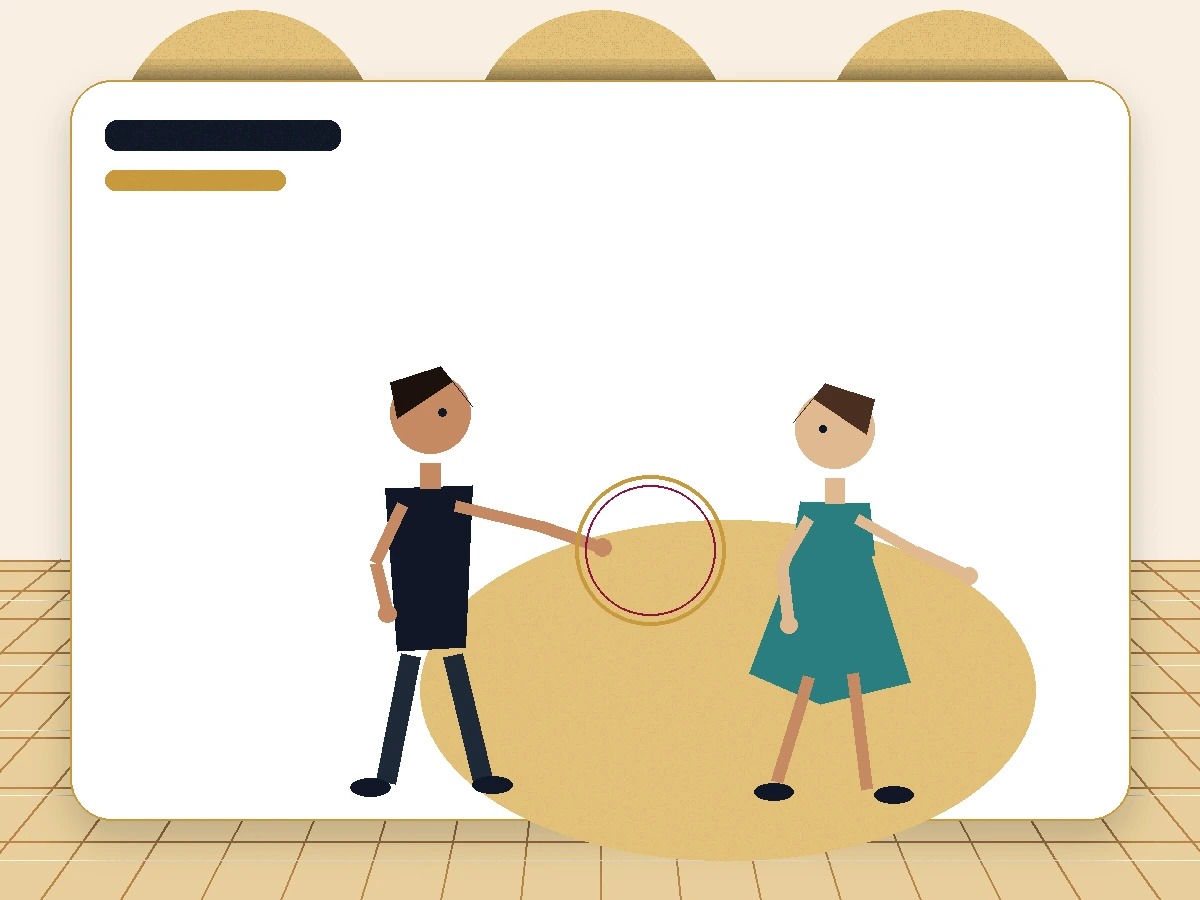
A few small courtesies help: do not grab a wrist or pull someone onto the floor, give people a moment to finish a conversation or a drink, and accept a “not right now” gracefully. If someone is mid-water-break, a friendly “maybe the next one?” keeps it easy.
How to say no politely
A polite “No, thank you” is always a valid answer, and you do not owe a reason. Declining respectfully is a normal, healthy part of social-dance culture—not a snub.
- Keep it kind and brief: “No, thank you—maybe later!” A smile goes a long way.
- If you decline a song, it is courteous not to immediately accept someone else for that same song, since that can feel pointed.
- If you’re the one declined, take it gracefully. People decline for countless reasons—tired feet, a fast song, a needed break—and almost none are about you.
- You can always decline a specific move, a style of hold, or a tempo that feels unsafe, even mid-dance.
Boundaries come first. If anyone pressures you after a “no,” makes you uncomfortable, or ignores a boundary, you can step away and tell an instructor, host, or organizer. A good dance community supports this.
What to do during the dance
Once you are dancing, the golden rule is dance to your partner’s comfort level, not your own ambition. Match their energy, keep movements you both can manage, and stay friendly.
- Start simple. Lead or follow the basics cleanly before trying anything fancy. A calm, on-time basic feels great to dance with.
- Communicate gently. Connection comes from timing and body position, not force. If you want to go deeper, read lead and follow and frame and posture.
- Avoid unsolicited teaching. A social is not a lesson. Do not correct, coach, or “fix” your partner unless they ask—it is one of the most common etiquette complaints.
- Stay positive. If something goes sideways, laugh it off and keep going. Conversation is fine; constant talking that pulls you off the music is not.
- Finish kindly. Thank your partner and, if it feels natural, walk them back toward where you met.
Floorcraft and sharing the dance floor
Floorcraft is the skill of moving so couples can share the floor safely. You do not need to be advanced—you just need awareness. For the full guide, see floorcraft: navigating the dance floor.
Traveling dances such as Waltz and Foxtrot move counterclockwise around the outside of the room. That path is called the line of dance. Spot or slot dances—like salsa, bachata, or East Coast Swing—usually stay more centered and use less travel.
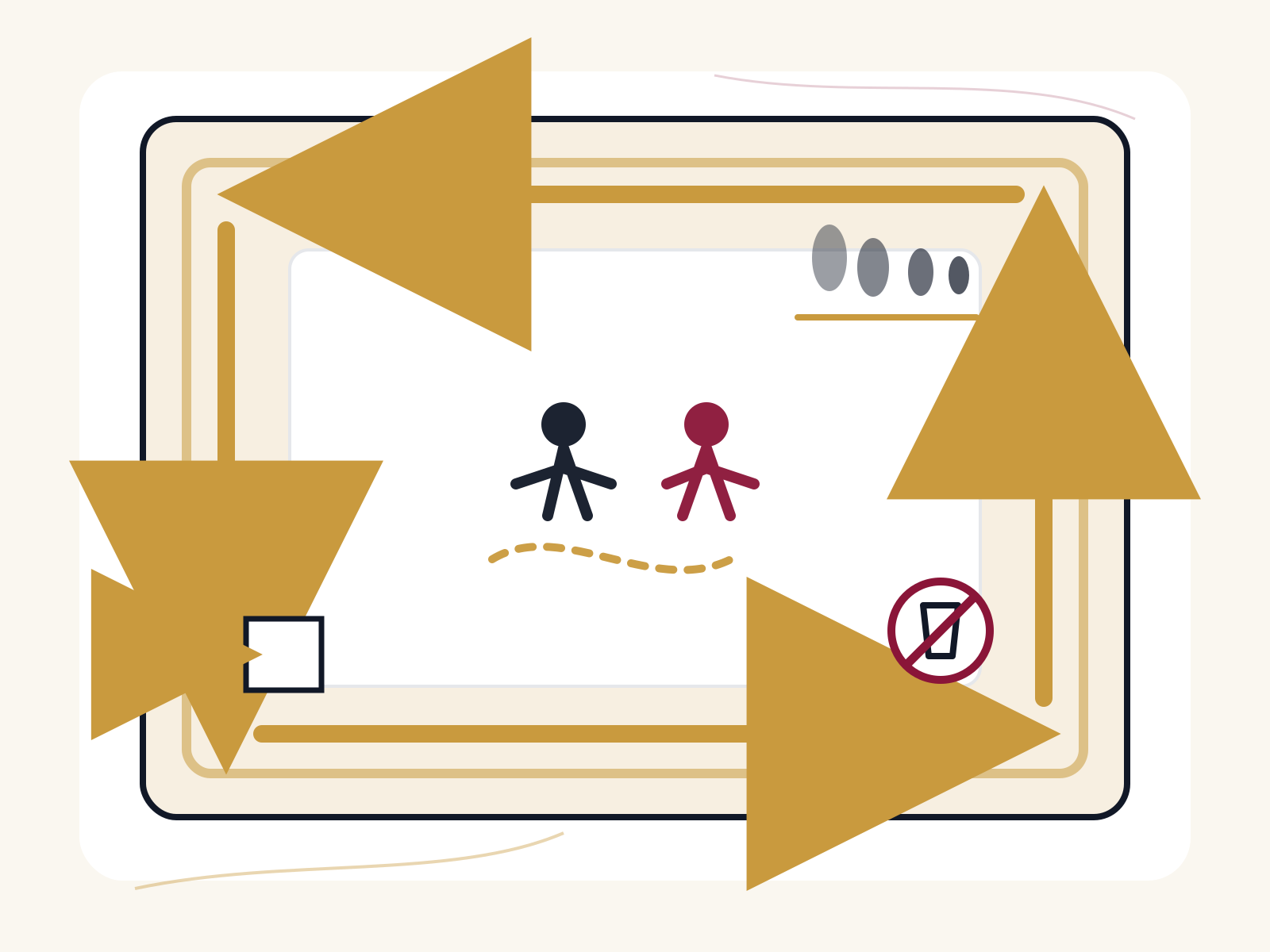
- Keep your lane. Faster, more advanced couples tend to use the outside lane; slower couples stay slightly inside the line of dance.
- Make steps smaller when it’s crowded. Compact dancing prevents collisions.
- Look where you’re going. Leaders especially should glance along the line of dance to avoid backing into others.
- Apologize briefly and move on. Bumps happen. A quick “sorry!” is enough; no long stops in traffic.
- Don’t stop in the lane. If you need to chat or fix a shoe, step off the floor.
Hygiene, clothing, and personal space
Partner dancing happens up close, so small preparation choices matter. None of this requires anything fancy—just consideration.
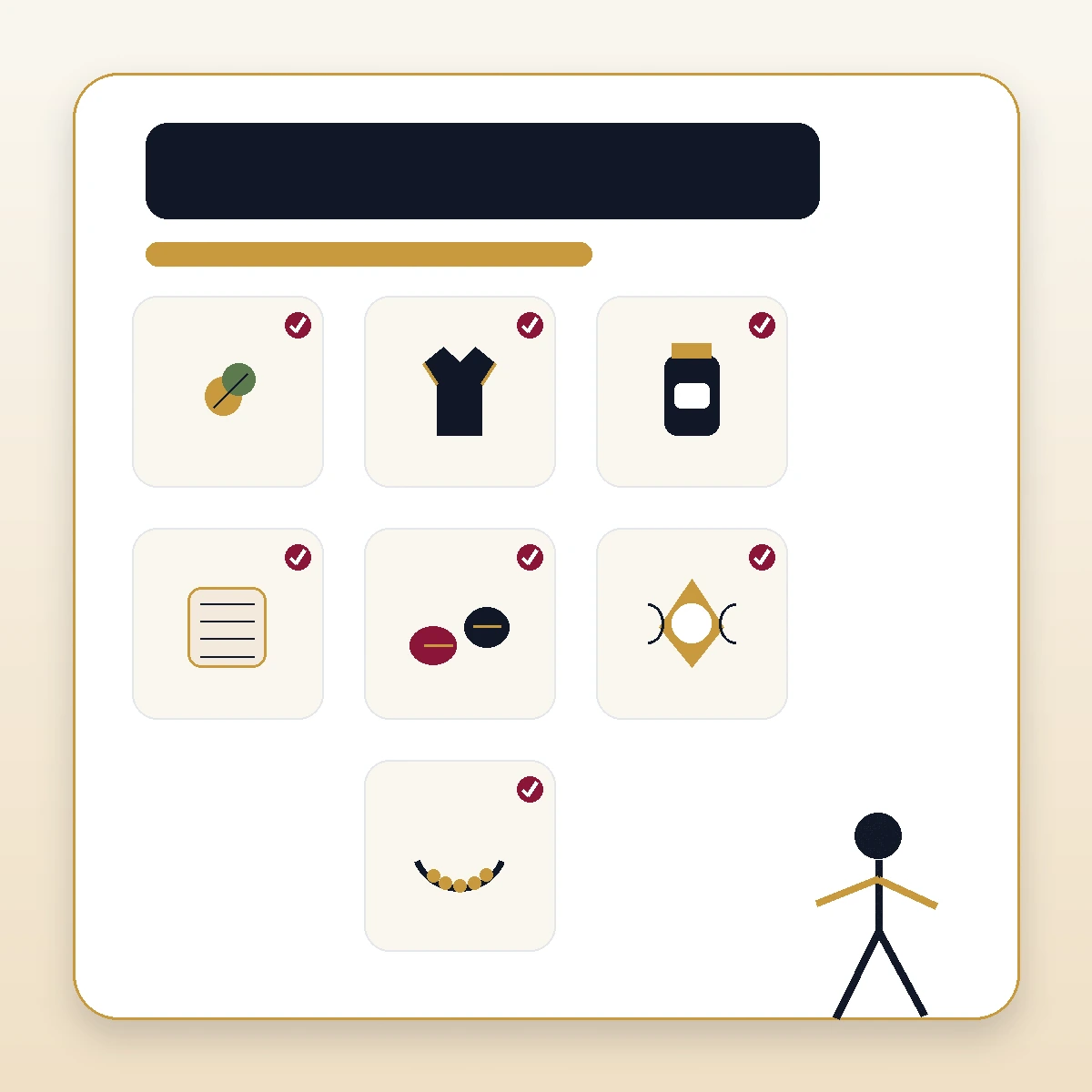
- Fresh breath and deodorant. Mints and antiperspirant are floor-friendly staples.
- Bring a spare top. If you tend to get warm, a fresh shirt mid-event is appreciated.
- Go light on fragrance. Strong perfume or cologne can overwhelm a close partner; some people are sensitive to scent.
- Wear comfortable, safe shoes. Choose footwear that lets you move without sticking or sliding dangerously. See dance styles and gear guidance before investing in dance shoes.
- Respect personal space. Let your partner set the closeness of the hold. Closer is not better—comfortable is better.
Handling mistakes, dips, lifts, and unsafe moves
Everyone misses steps—experienced dancers included. When it happens, the etiquette is simple: don’t apologize repeatedly, don’t blame your partner, just reset to a basic and keep dancing. A relaxed recovery is a sign of a good social dancer.
Dips, lifts, fast spins, and big tricks are a different matter. On a social floor they can be genuinely unsafe for you, your partner, and nearby couples.
- Never dip or lift without clear agreement. Surprising a partner with a drop or a lift is unsafe and not okay.
- Check the floor first. Even agreed-upon moves need space and a clear line of sight.
- Decline anything that feels unsafe. You can say “let’s keep it simple” at any time, and a considerate partner will respect it.
- Skip the unsolicited teaching, again. Correcting a partner’s technique is its own kind of unsafe—for the mood.
Etiquette by setting
The basics stay the same, but the culture shifts a little by venue. Here is what beginners can expect.
Ballroom social / studio party
Often uses line-of-dance for traveling dances, mixed levels, and partner rotation. Friendly, lesson-adjacent, and beginner-welcoming.
Salsa & bachata socials
Mostly spot dancing, close-but-comfortable holds, and lots of partner changes. Follow the venue’s vibe on closeness and styling.
Swing dances
Playful, energetic, and very newcomer-friendly. Smaller footwork helps on a packed floor; rotating partners is normal.
Weddings & mixed events
Many non-dancers present. Keep it simple and inclusive, invite people warmly, and never pressure anyone. See the wedding dance guide.
Again—these are general tendencies, not fixed rules. Every scene has its own customs, so observe and ask.
Beginner mistakes to avoid
- Unsolicited teaching. The most common complaint at socials. Save coaching for lessons.
- Over-ambitious moves. Trying tricks beyond your partner’s comfort or the floor’s space.
- Apologizing constantly. One quick “sorry” for a real bump is plenty; non-stop apologies make a dance tense.
- Monopolizing one person all night. In rotation-friendly settings, mixing is part of the fun.
- Ignoring the music. Dancing off-beat happens; not listening at all is avoidable. Practice timing first.
- Strong scent or skipped hygiene. Easy to fix, and your partners will notice.
Quick etiquette checklist
Bring this with you (or grab the printable version below):
- Ask clearly and kindly; offer an open hand.
- Accept warmly, or decline with a polite “No, thank you.”
- Dance to your partner’s comfort level, not your ambition.
- Use floorcraft: line of dance outside, spot dances centered.
- Keep steps small when the floor is crowded.
- Fresh breath, deodorant, light fragrance, comfortable shoes.
- No unsolicited teaching, dips, lifts, or unsafe moves.
- Thank your partner afterward.
- Respect boundaries—yours and everyone else’s.
Music and Ballroom Pages playlists
Good etiquette starts before the social: listen to the music, practice hearing the beat, and learn which dances travel or stay in place. Explore Ballroom Pages playlists by platform and style.
-
Spotify
Waltz practice playlists
Useful for line-of-dance practice and hearing 3/4 timing.
-
Spotify
Swing practice playlist
Useful for social dance energy, floor awareness, and smaller-space practice.
-
Spotify
Cha Cha practice playlist
Useful for rhythm timing and compact social-floor movement.
-
Apple Music
Apple Music playlists
Use legacy style-category links until exact playlist embeds are verified.
Apple playlist hub Exact playlists to verify
-
YouTube / YouTube Music
YouTube playlists
Use for listening practice and future video/demo integration.
YouTube playlist hub Exact playlists to verify
-
Telegram
BallroomPages Music
Playlist updates and music discovery.
Browse the wider ecosystem: music hub and Spotify hub. New to counting? Learn it in Music & Timing.
Sources and further reading
- American Dancer — The Art of Ballroom Etiquette.
- Ballroom Association at UW–Madison — Dance Etiquette.
- World Swing Dance Council — Social Etiquette for Swing Dancers.
- Swing Toronto — Dance Etiquette.
- LA Summer Bachata Festival — Social Etiquette.
- The Salsa Center — Salsa Etiquette.
- Ballroom Dance Chicago — 7 Tips for the Social Dance Floor.
- Fred Astaire Durham — Ballroom Dance Etiquette Tips.
- RPI Ballroom — Social Dance Etiquette.
- GPD Club — Dance Floor Etiquette for Social Dancing.
Etiquette customs vary by community; this guide summarizes common, widely shared norms and should be adapted to your local scene.