Ballroom dance made clear
Learn ballroom dance with clear, elegant guides.
Ballroom Pages helps beginners, wedding couples, social dancers, and curious competitors understand the dances, music, steps, technique, and gear — without the intimidation.
Beginner-friendly guides. Plain-English explanations. Practical next steps for real dancers.
New to ballroom? Start with the path that fits you.
Whether you are choosing your first dance style, planning a wedding first dance, or trying to hear the beat, these starting points will help you move forward with confidence.
-
New to Ballroom
Learn what ballroom dance is, what to expect in your first lesson, and which dances are easiest to start with.
Start the beginner guide -
Explore Dance Styles
Compare Waltz, Tango, Foxtrot, Rumba, Cha Cha, Swing, Salsa, Bachata, and more.
Browse dance styles -
Plan a Wedding Dance
Match your song to a dance style, build a simple practice plan, and avoid first-dance stress.
Plan your first dance -
Learn Music & Timing
Understand counts, rhythm, tempo, and how to know which dance fits a song.
Learn to count music -
Improve Technique
Build better posture, frame, connection, leading, following, and practice habits.
Improve your dancing

Find the ballroom dance style that fits your music, goal, and personality.
Each dance has its own rhythm, mood, and movement quality. Start with a simple comparison, then go deeper into steps, timing, music, beginner tips, and common mistakes.
-
Waltz
Smooth, graceful, and ideal for learning posture, timing, and flow.
-
Rumba
Romantic, grounded, and useful for many slow songs and wedding dances.
-
Cha Cha
Bright, rhythmic, and great for learning sharp timing and Latin/Rhythm energy.
-
Foxtrot
Social, classic, and versatile for swing-influenced music and weddings.
-
Tango
Dramatic, precise, and full of contrast, shape, and musical accents.
-
East Coast Swing
Fun, upbeat, and beginner-friendly for social dance floors.
-
Salsa
Energetic, social, and useful for Latin music and partner-dance confidence.
-
Bachata
Approachable, musical, and popular for social dancing.
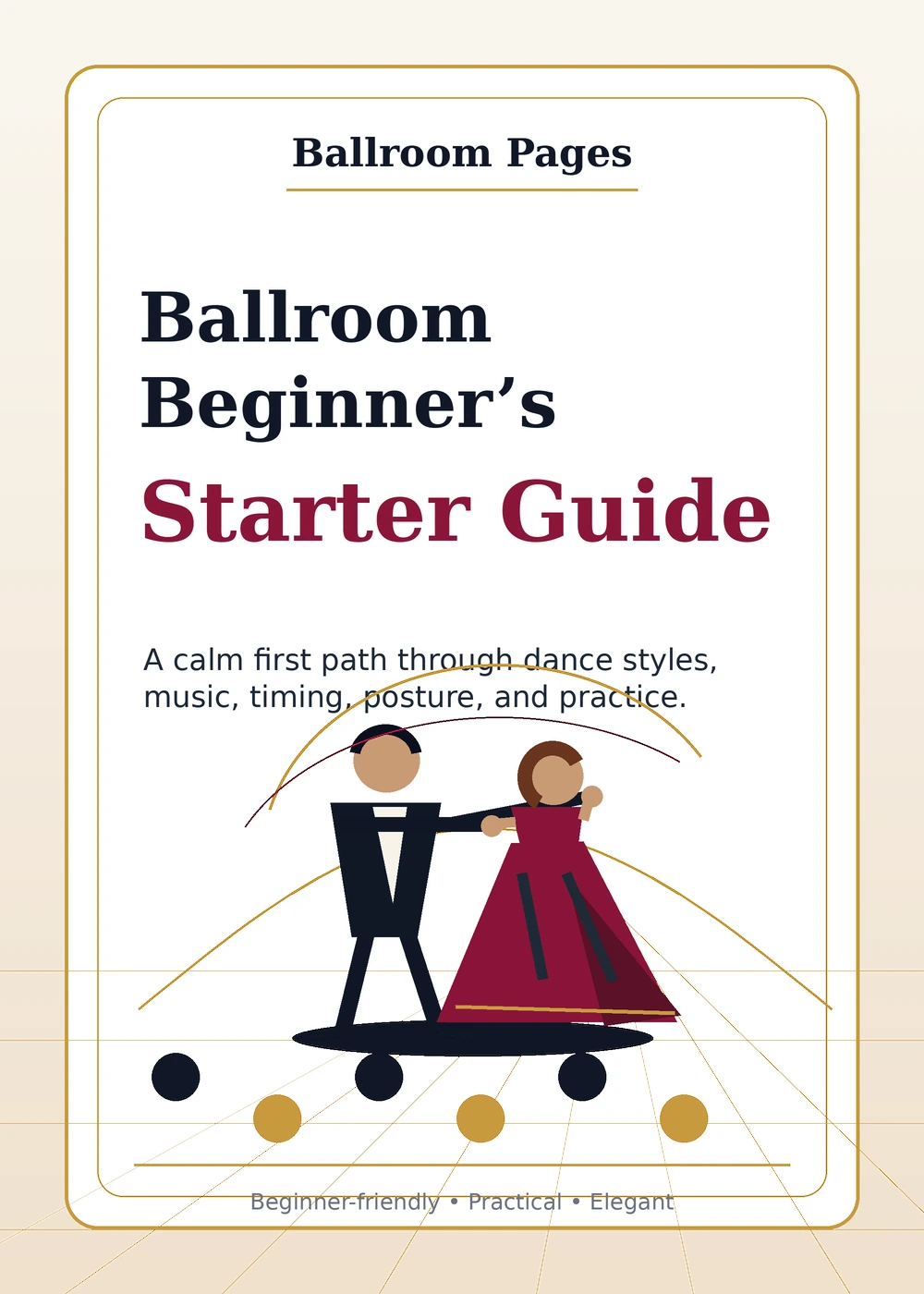
A calm first path into ballroom dance.
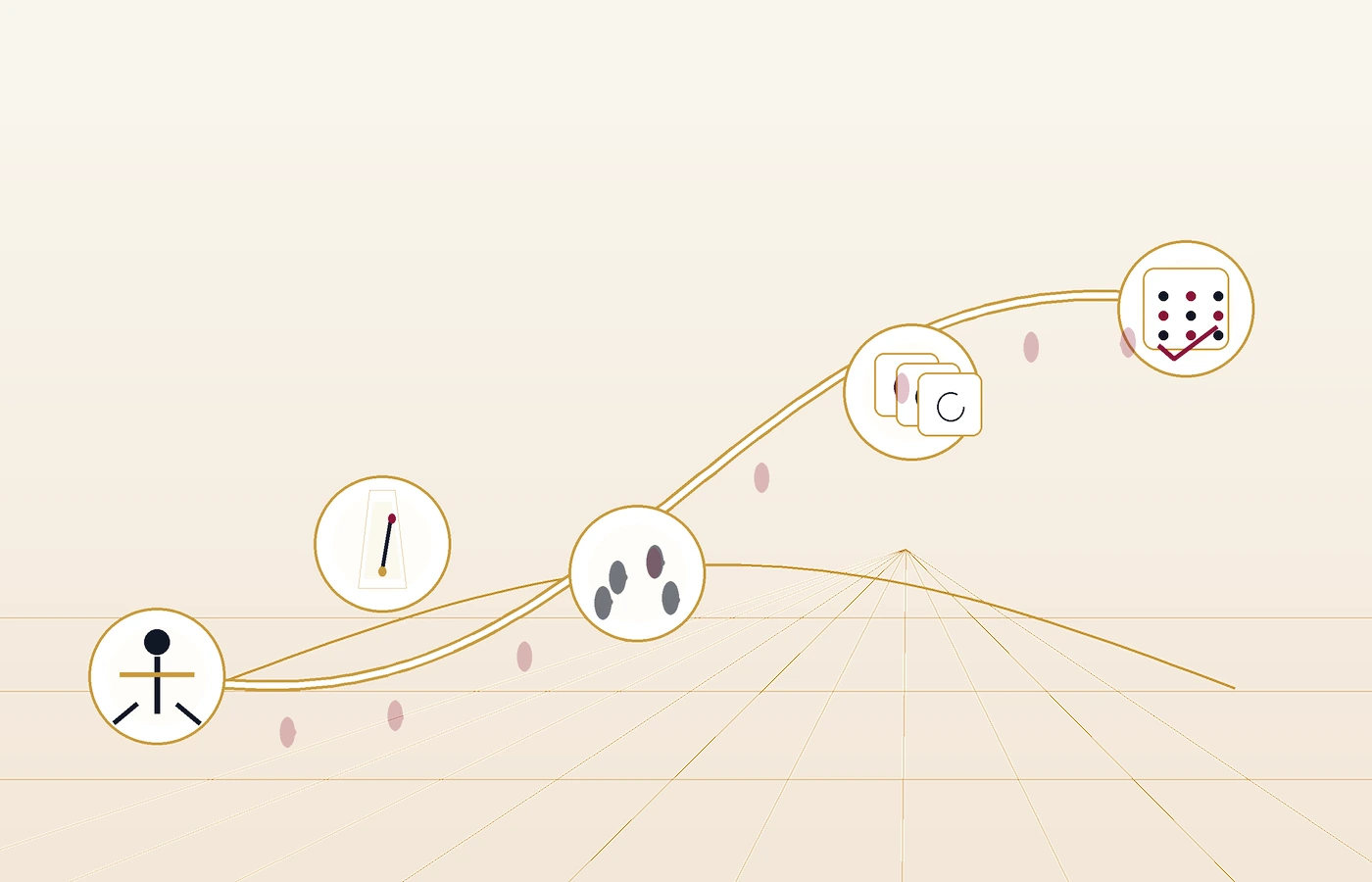
You do not need to learn everything at once. Start with posture and connection, learn how to count music, choose one or two beginner-friendly dances, then practice in short, repeatable sessions.
-
Understand the basics
Learn what ballroom dance is, how partner roles work, and what happens in a first lesson.
-
Hear the beat
Practice simple counts so Waltz, Rumba, Cha Cha, Foxtrot, and Swing start to make sense.
-
Choose your first dances
Begin with styles that match your goals: social dancing, wedding dance, or general confidence.
-
Practice with a plan
Use short drills for frame, timing, footwork, and partner connection.
Popular guides to start learning faster.
These are the most useful first guides for new dancers, wedding couples, and anyone trying to make ballroom feel less complicated.
-
Beginner Guides
Ballroom Dance for Beginners
A practical first-month roadmap: what to learn first, what to wear, and how to practice.
-
Beginner Guides
Best Ballroom Dances for Beginners
Compare beginner-friendly dances by ease, music, social use, and wedding fit.
-
Music & Timing
How to Count Ballroom Dance Music
Learn beat, count, rhythm, tempo, and common timing patterns by dance style.
-
Wedding Dance
Wedding Dance Guide
Plan your first dance with a timeline, song tips, lesson guidance, and practice plan.
-
Dance Styles
Waltz Dance Guide
Learn Waltz timing, basic movement, music feel, wedding use, and beginner mistakes.
-
Gear
Ballroom Dance Shoes for Beginners
Understand suede soles, fit, heel height, practice shoes, and what to avoid.
Wedding Dance
Planning a wedding first dance? Start with the song, then choose the dance.
Your first dance does not need to be complicated to feel beautiful. Ballroom Pages helps you match your song to a dance style, decide whether Waltz, Rumba, Foxtrot, Swing, or Nightclub Two Step fits best, and practice a simple structure that feels natural.
- Match your song by meter, tempo, and mood.
- Build a simple entrance, basic step, turn, and ending.
- Choose shoes and dress details that make dancing easier.
- Practice with a realistic wedding timeline.
Music & Timing
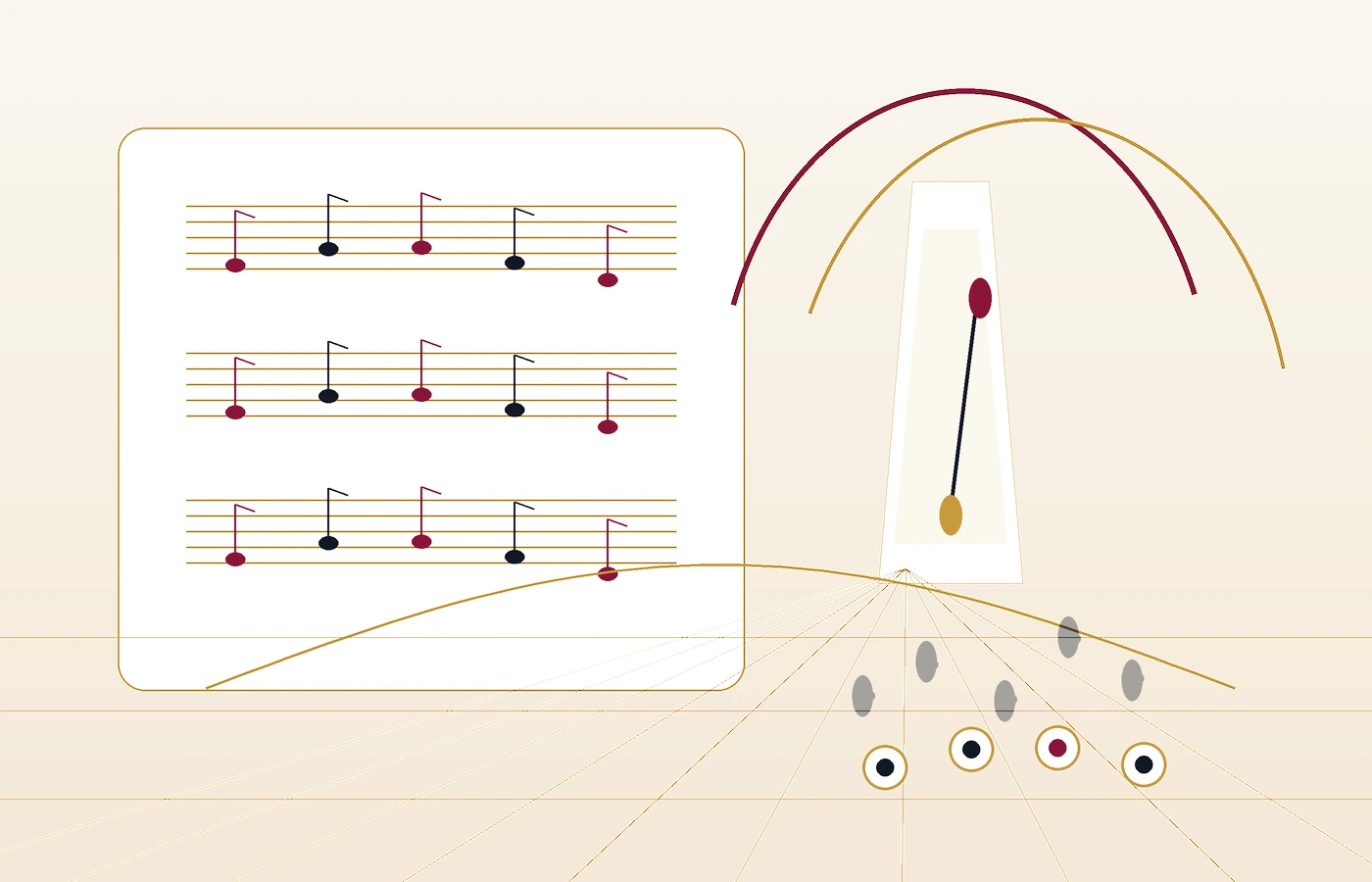
Learn to hear the dance inside the music.
Timing is one of the biggest beginner challenges. The Music & Timing hub explains counts, beats, tempo, rhythm feel, and song examples so you can understand why one song feels like a Waltz, another like a Rumba, and another like a Cha Cha.
Fresh guides from Ballroom Pages.
New and updated resources for learning, practicing, and choosing your next step.
Confused by a ballroom term? Look it up fast.
From frame and promenade to slow-quick-quick, Cuban motion, syllabus, and Pro-Am, the glossary explains ballroom language in plain English and links each term to the guides where it matters.
Built to be clear, practical, and trustworthy.
Ballroom Pages is being rebuilt as an editorial resource, not a marketplace. Each guide should explain the topic clearly, link to the next useful step, cite reliable references where needed, and be reviewed for dance accuracy as the site grows.
-
Beginner-first
Every advanced term should be explained in plain language.
-
Dance-literate
Style pages should separate social, wedding, American, International, and competition contexts.
-
Reviewed and updated
Technique and competition content should include qualified review, update dates, and corrections paths.