
Do you need special shoes for your wedding dance?
Not always. You do not need professional ballroom shoes to have a beautiful first dance. You need shoes that let you move comfortably and confidently.
You probably do not need special dance shoes if…
- Your first dance is a simple sway, slow turn, or short routine.
- Your wedding shoes are already comfortable and secure.
- Your venue floor is easy to move on.
- You have practiced in the shoes without slipping, sticking, or wobbling.
You may want dance-specific shoes if…
- You are learning Waltz, Rumba, Foxtrot, Swing, Salsa, or another partner dance.
- You plan to turn, pivot, dip, or travel across the floor.
- Your regular formal shoes feel stiff, slippery, or unstable.
- Your instructor recommends a smoother sole or more flexible shoe.
- You want a reception pair that feels better than your ceremony shoes.
Be cautious with special dance shoes if:
Your ceremony or photos are outdoors; you will walk through grass, gravel, rain, or rough pavement; the shoe has suede soles and you plan to wear it outside; the shoe fits loosely or feels too flexible for your comfort level; or you have not practiced in it before the wedding.
Wedding dance shoe decision tree
Work through four questions. Each answer narrows the kind of shoe that will serve your first dance best.
Where will you dance?
- Indoor wood dance floor
- Ballroom shoes, smooth dress shoes, low heels, block heels, and secure flats can all work if tested.
- Tile, marble, or polished floor
- Test carefully. Some soles slide too much, while rubber soles may stick during turns.
- Carpet
- Turns are harder. Choose stable shoes and simplify choreography. Avoid planning lots of pivots.
- Grass or garden ceremony
- Avoid stilettos and suede ballroom soles. Choose block heels, wedges, flats, boots, sneakers, or street-sole dance shoes.
- Concrete, patio, stone, or cobblestone
- Choose a sturdy outdoor-friendly sole. Do not use suede soles.
What are you wearing?
- Long dress or gown
- Finalize heel height before alterations. A shoe change can change the hem.
- Short or tea-length dress
- Shoes will be visible, so style matters more—but security still matters.
- Suit or tuxedo
- Make sure dress shoes are not too slick and do not grip the floor too hard.
- Jumpsuit or separates
- Test stride length and turns. Wider legs can catch if the shoe is bulky.
What does your first dance include?
- Simple sway
- Comfortable formal shoes may be enough.
- Basic box step or side step
- Low heels, block heels, secure flats, dress shoes, or ballroom shoes can work.
- Turns and spins
- Secure straps, smooth soles, and practiced balance matter more.
- Dips or dramatic ending poses
- Ask your instructor. Shoes, floor, dress, and partner support all matter.
How long will you wear the shoes?
- Only for photos
- You can choose a more dramatic shoe, but plan a reception pair.
- Ceremony through first dance
- Prioritize comfort, fit, and venue compatibility.
- All night
- Choose the shoe you can still walk in after dinner, photos, and several hours of standing.
Shoe type comparison
Each shoe family has a sweet spot and a trade-off. Use this to match a style to your first dance, not just your photos.
| Shoe type | Best for | Watch out for | First dance verdict |
|---|---|---|---|
| Bridal stilettos | Photos, formal ceremony looks, short wear time | Narrow heel, pressure on ball of foot, grass, instability, slick soles | Use only if you can walk and turn confidently in them |
| Low heel | Comfort, simple first dances, long wear | May still slip if backless or too loose | Strong choice for many couples |
| Block heel | Outdoor-friendly height, stability, reception dancing | Very tall block heels can still be tiring | One of the safest wedding-friendly heel styles |
| Wedge | Grass, garden, beach-adjacent venues | Can be harder for precise ballroom footwork; ankle roll risk for some wearers | Good for outdoor stability; test turns |
| Secure flats | Comfort, reception change, low-key first dance | Loose flats can slip off; thin soles may feel unsupportive | Great if they stay on and work with the hem |
| Ballroom dance heels | Indoor first dance, turns, partner dancing | Suede soles need clean indoor floors; snug fit feels different | Excellent for indoor dancing if practiced in advance |
| Ballroom practice shoes | Rehearsal comfort, backup pair, long reception | May not match wedding outfit | Great for practice and backup |
| Dance sneakers | Reception comfort, casual outfit change, long party | May not match formal attire; some soles grip too much | Useful for reception, not always ideal for formal first dance |
| Men’s dress shoes | Suit/tuxedo looks, ceremony through reception | New soles can be slick; thick rubber can stick | Good if soles are tested and movement feels smooth |
| Men’s ballroom shoes | Indoor dance floor, partner dancing, low stable heel | Not ideal outdoors if suede-soled | Strong option for indoor first dance |
If one partner is wearing heels
Choose the heel you can actually dance in—not the heel that only works while standing still.
Look for
- A secure ankle strap, T-strap, Mary Jane strap, slingback that holds, or closed heel.
- A heel height you can walk in without gripping with your toes.
- Enough toe room that your toes lie flat.
- A heel base that feels stable when you shift weight.
- A shoe that does not slide forward when you step back.
- A shoe that still feels steady after a full song.
Use caution with
- Backless mules.
- Very narrow stilettos.
- Shoes that only fit while standing still.
- Shoes that make you shorten every step.
- Shoes that catch the dress hem.
- Shoes you have not worn for at least a short practice session.
A low heel or block heel is often more first-dance-friendly than a tall stiletto. If you love a dramatic ceremony heel, consider changing into a secure dance pair for the reception.
If one partner is wearing dress shoes
Dress shoes matter too. For a first dance, the best dress shoe is secure, comfortable, and smooth enough to move without sticking. A classic lace-up dress shoe can work well, especially if the sole is not brand new and glassy-slick.
Before the wedding, test
- Can you walk forward and backward without sliding?
- Can you take small side steps?
- Can you rotate without the shoe gripping too hard?
- Does the heel feel stable?
- Do the laces stay tied?
- Do the trousers break correctly over the shoe?
Avoid wearing brand-new dress shoes for the first time at the wedding. If the soles are too slick, ask a cobbler, instructor, or shoe professional about safe ways to improve traction before the event.
Flats, low heels, block heels, practice shoes, and dance sneakers
There is no rule that wedding dance shoes must be high heels.
Flats
Flats can be excellent if they stay on your feet. Look for a secure back or strap. Very loose ballet flats can slip during turns, so test them before relying on them.
Low heels
Low heels are often a sweet spot for couples who want a formal look without too much height. They also make it easier to keep the same posture and balance during practice.
Block heels
Block heels are wedding-friendly because the wider base feels steadier on many surfaces. They are especially useful for garden venues, lawns, patios, and long photo sessions.
Practice shoes
Practice shoes are not always formal enough for the ceremony, but they can be excellent for lessons and at-home rehearsal. They are also a smart backup pair for the reception. See our guide to ballroom practice shoes.
Dance sneakers
Dance sneakers can be a great reception choice, especially for couples planning to dance for hours. For the first dance, test whether the sole lets you turn smoothly. Some sneakers grip too much for ballroom-style movement.
Ballroom shoes vs wedding shoes
Ballroom shoes and wedding shoes solve different problems.
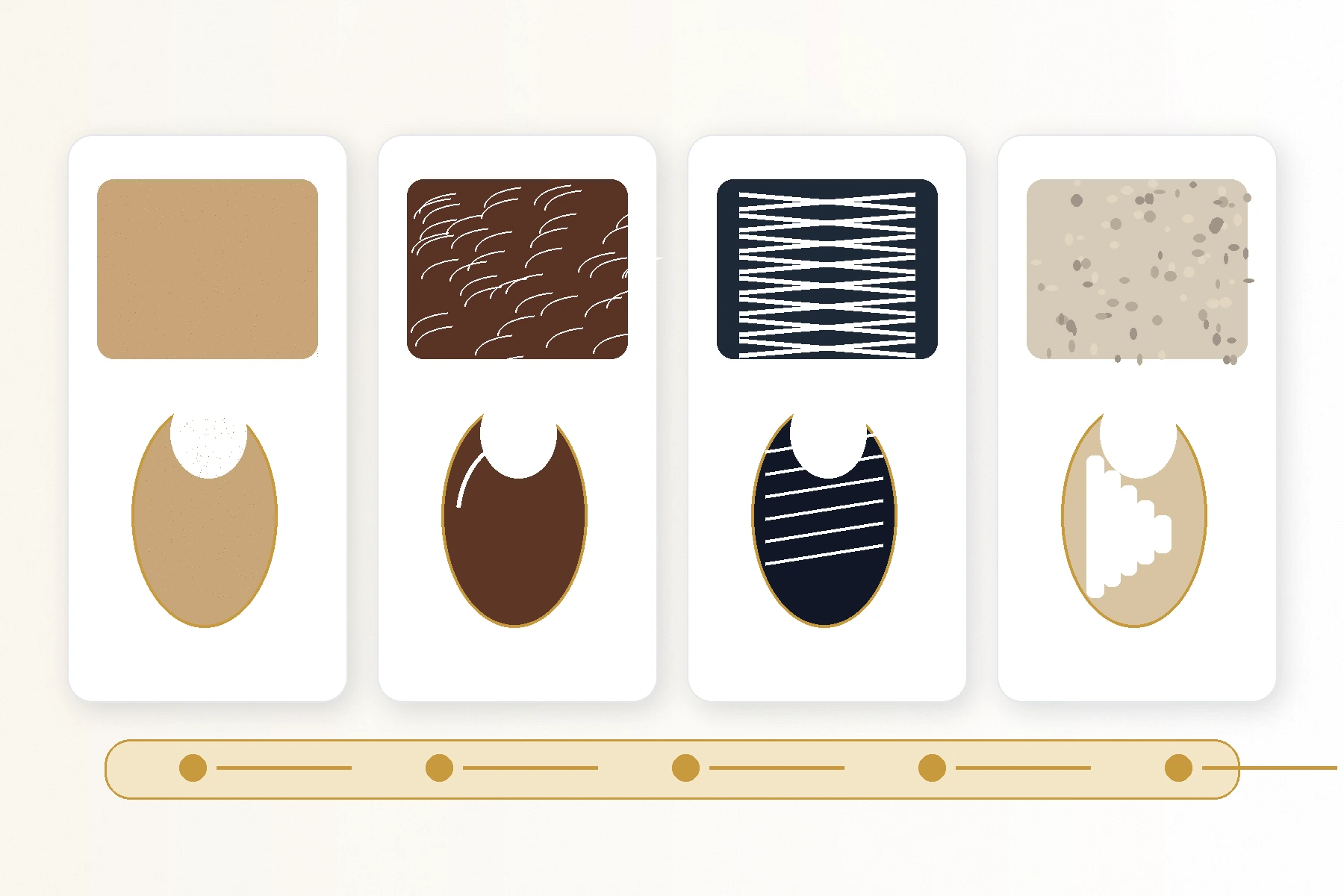
Ballroom shoes are designed for dancing
They are usually flexible, lightweight, and made to help dancers feel the floor. Many have suede soles that create a balance between grip and glide on clean indoor dance floors.
Wonderful for
- Indoor first dances.
- Waltz, Rumba, Foxtrot, Swing, and other partner dances.
- Controlled turns.
- Feeling the floor.
- Rehearsing with a consistent shoe.
Not ideal for
- Wet surfaces.
- Grass.
- Gravel.
- Sidewalks.
- Rough outdoor patios.
- Wearing all day across multiple surfaces.
Wedding shoes are designed for the full event
Traditional wedding shoes may be better for ceremony, photos, and outdoor movement. But some are stiff, slippery, backless, or too tall for dancing.
Wonderful for
- Formal photos.
- Ceremony styling.
- Matching the dress or suit.
- Outdoor-friendly walking, if chosen well.
May need help for dancing
- Practice time.
- Added strap security.
- A backup reception pair.
- Floor testing.
- A simpler first dance routine.
New to dance shoes generally? Start with ballroom dance shoes for beginners and Latin vs ballroom dance shoes.
Venue floor guide
The surface under your feet changes everything. Match your shoe to the floor you will actually dance on.
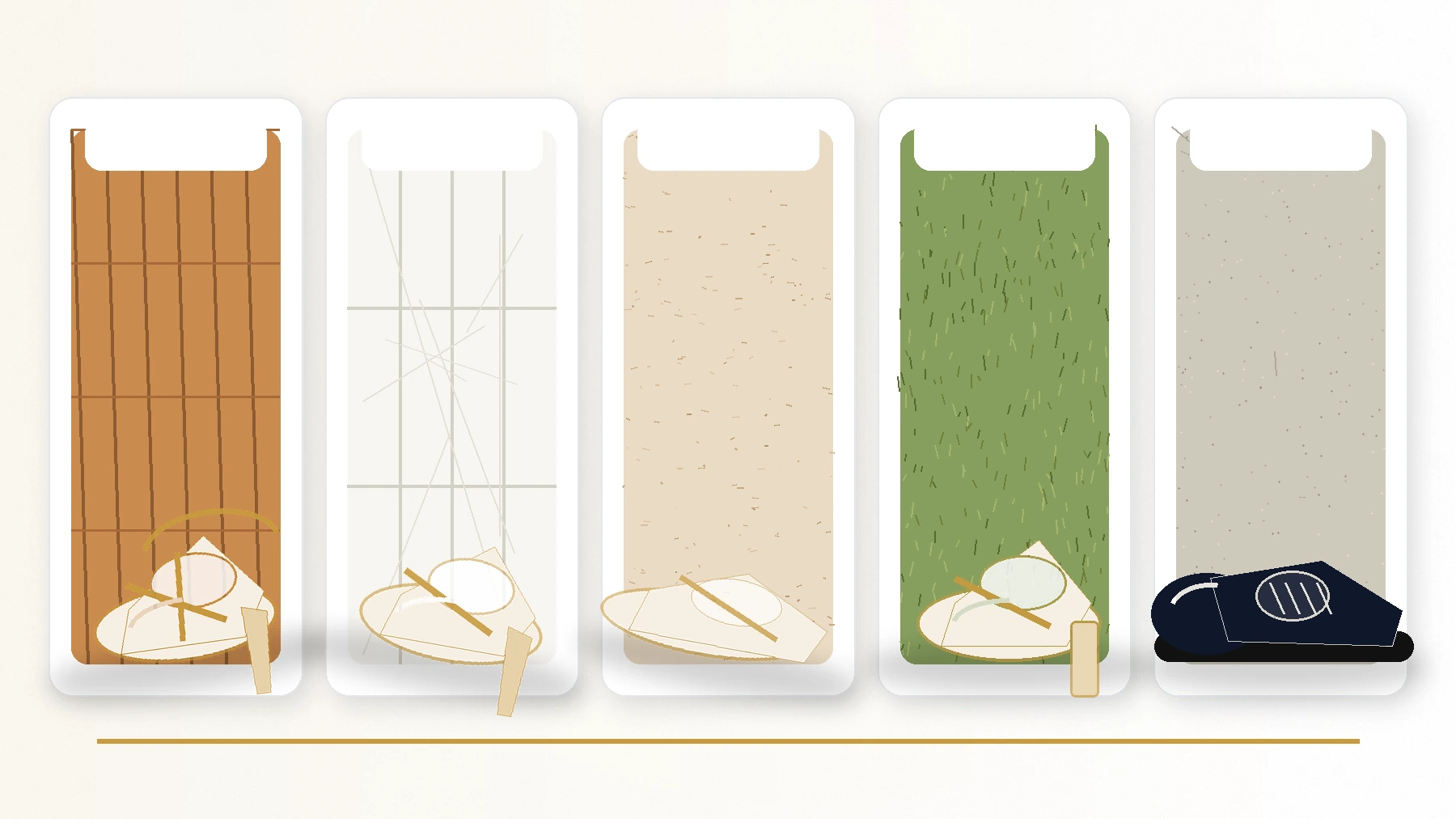
Wood dance floor
Best case for ballroom shoes and first-dance movement. Test whether the sole glides without sliding too much.
Tile or marble
Can be slippery. Avoid assuming a shoe is safe just because it worked on carpet at home. Test carefully at the venue or bring a backup.
Carpet
Carpet makes pivots and turns harder. Choose stable shoes and simplify the routine. Use more walking, swaying, and small weight changes instead of fast spins.
Grass or garden
Do not wear suede ballroom soles on grass. Stilettos may sink. Consider block heels, wedges, flats, boots, sneakers, or street-sole dance shoes.
Concrete or patio
Rough surfaces can damage delicate soles, especially suede. Choose outdoor-friendly soles and save ballroom shoes for the indoor dance floor.
Beach or sand
Flats, sandals, barefoot-friendly planning, or platform/wedge styles may work better than delicate heels. Keep choreography simple and grounded.
Dress, suit, hem, and tailoring considerations
Shoes change the way your wedding outfit moves. Before final alterations, decide whether you will wear the same shoes for the ceremony and first dance. If you plan to change shoes, make sure the height difference does not make the dress too long or too short.
Bring your dance shoes (or matching heel height) to
- Dress fittings.
- Final tailoring.
- Dance lessons near the wedding date.
- At-home first dance practice.
- Venue walkthrough if possible.
For suits and tuxedos, check trouser length while wearing the actual shoes. A shoe with a different heel or sole thickness can change the break of the trousers and the way you step.
If your outfit includes a train, bustle, veil, tight skirt, mermaid shape, corset, fitted sleeves, or long jacket, practice at least once with the closest possible version of your wedding-day outfit.
Heel height and strap/security guide
There is no perfect heel height for every couple, but there is a practical test: can you walk, shift weight, take a side step, turn slowly, and hold your ending pose without gripping the shoe with your toes?
A good first-dance shoe should feel secure when you:
- Step backward.
- Turn slowly.
- Rise and lower.
- Walk side to side.
- Pause in place.
- Hold your partner.
- Move through the full song.
Security matters more than height alone. A lower heel that slips off is not better than a slightly higher heel that fits securely.
Sole type and floor compatibility guide
| Sole type | Works best on | Caution |
|---|---|---|
| Suede ballroom sole | Clean indoor dance floors | Avoid outdoor, wet, rough, or dirty surfaces |
| Leather sole | Dress shoes, indoor formal floors | Can be slick when brand new |
| Rubber sole | Outdoor walking, long reception comfort | Can grip too much for turns |
| Street sole dance shoe | Couples wanting dance-shoe style outdoors | Still test on the exact floor |
| Dance sneaker sole | Reception comfort, casual dancing | Some are too sticky for ballroom-style turns |
The goal is not maximum grip. The goal is controlled movement: enough grip to feel secure, enough glide to turn without fighting the floor.
Break-in and practice timeline
Give your shoes time. The earlier you choose and test them, the calmer the wedding week feels.
Choose your first-dance plan and start thinking about shoes. If you are taking lessons, ask your instructor what sole and heel height make sense for your routine.
Buy or choose the shoes you plan to test. Do not wait until the final week.
Start wearing the shoes around the house for short sessions. Practice walking, side steps, and simple turns. Stop if you feel hot spots, pinching, or slipping.
Practice your first dance in the actual shoes or shoes with the same heel height and sole feel. If you have a dress, bustle, suit jacket, or outfit piece that changes movement, test that too.
Run the full first dance shoe test. Pack your backup shoes and emergency kit.
Change shoes intentionally. Do not wait until your feet hurt. Put the dance pair somewhere easy to access before the reception begins.
Keep this timeline handy
The Wedding Dance Shoe Checklist puts the timeline, shoe test, and packing list on one printable page.
Download the checklistPractice your shoes with Ballroom Pages playlists
Shoes feel different when music starts. Practice at least one full song in the shoes you plan to wear. Use the same song if you have it, then test a few similar songs so you are not only memorizing one recording.
Use playlists to test
- Walking in time.
- Small side steps.
- Slow turns.
- Weight changes.
- Ending pose.
- Any dip or supported movement approved by your instructor.
Suggested practice flow
- Start with 30 seconds of walking in place and side steps.
- Play one full song and dance your simplest version.
- Try one slow turn in each direction.
- Hold your ending pose for five seconds.
- Ask: Did the shoe slip, stick, pinch, wobble, or catch the outfit?
Practice playlists
Verified Spotify playlists are embedded below, each with a direct link. Where a dedicated playlist has not been verified yet, you will see a clearly marked placeholder rather than a guessed link.
-
Wedding Dance / First Dance Playlist
A dedicated Ballroom Pages first-dance playlist is being curated. Until it is verified, browse the music hub for first-dance ideas.
Playlist coming soon Browse playlists
-
Waltz Playlist
Use for slow walking, sway, box-step timing, balance, and ending pose.
-
Rumba Playlist
Use for slow romantic first-dance timing and shoe comfort testing.
-
Foxtrot Playlist
Use for walking steps, smooth travel, and turns.
-
Swing Playlist
Use for testing faster footwork, shoe security, and reception energy.
-
Nightclub Two Step Playlist
A verified Nightclub Two Step playlist is not available yet. It is a popular slow-song first-dance style, so this card will be filled once a playlist is confirmed.
Playlist coming soon Nightclub Two Step guide
-
Ballroom Music & Timing Hub
Find every Ballroom Pages playlist, tempo guidance, and counting help in one place.
Learn the counts behind these styles in How to Count Ballroom Dance Music.
First dance shoe test checklist
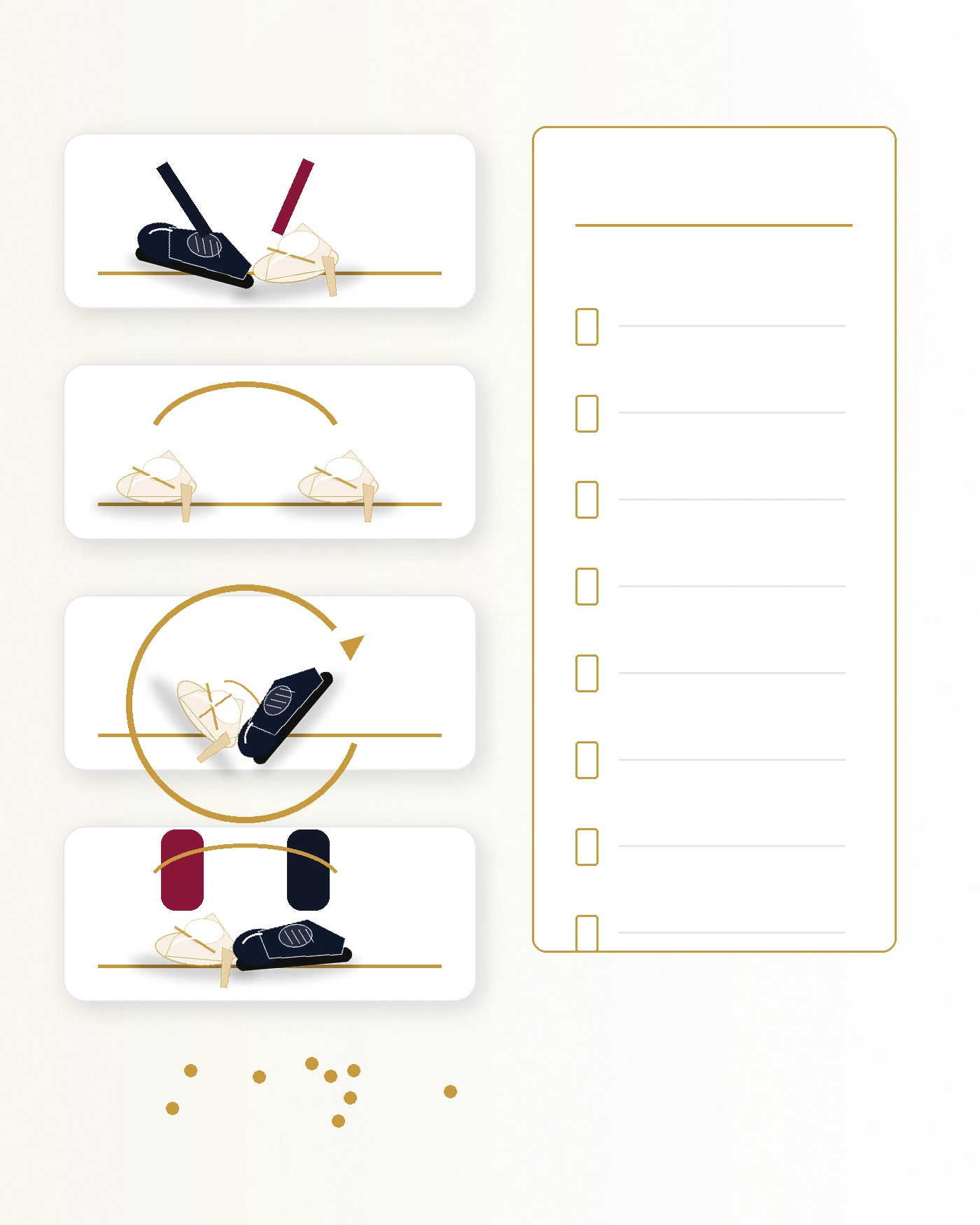
The 60-second movement test
Put on both partners’ wedding dance shoes and try:
- Walk forward 6–10 steps.
- Walk backward 6–10 steps.
- Take 4 side steps each direction.
- Shift weight forward and back.
- Try one slow turn.
- Hold your first dance starting position.
- Hold your ending pose.
It passes if
- Your heel stays in place.
- Your toes are not curled or gripping.
- You can shift weight without pain.
- The sole does not slide uncontrollably.
- The sole does not stick during turns.
- The shoe does not catch your hem or trousers.
- You are not thinking about the shoe every second.
The full-song test
Play your first dance song or a similar Ballroom Pages playlist track and dance the full length. Afterward, ask:
- Did anything pinch?
- Did the shoe stay secure?
- Did the floor feel too slippery or too sticky?
- Did the outfit move correctly?
- Could you do this again after dinner and photos?
- Do you need a backup pair?
Wedding day shoe emergency kit
Pack a small shoe kit for the reception.
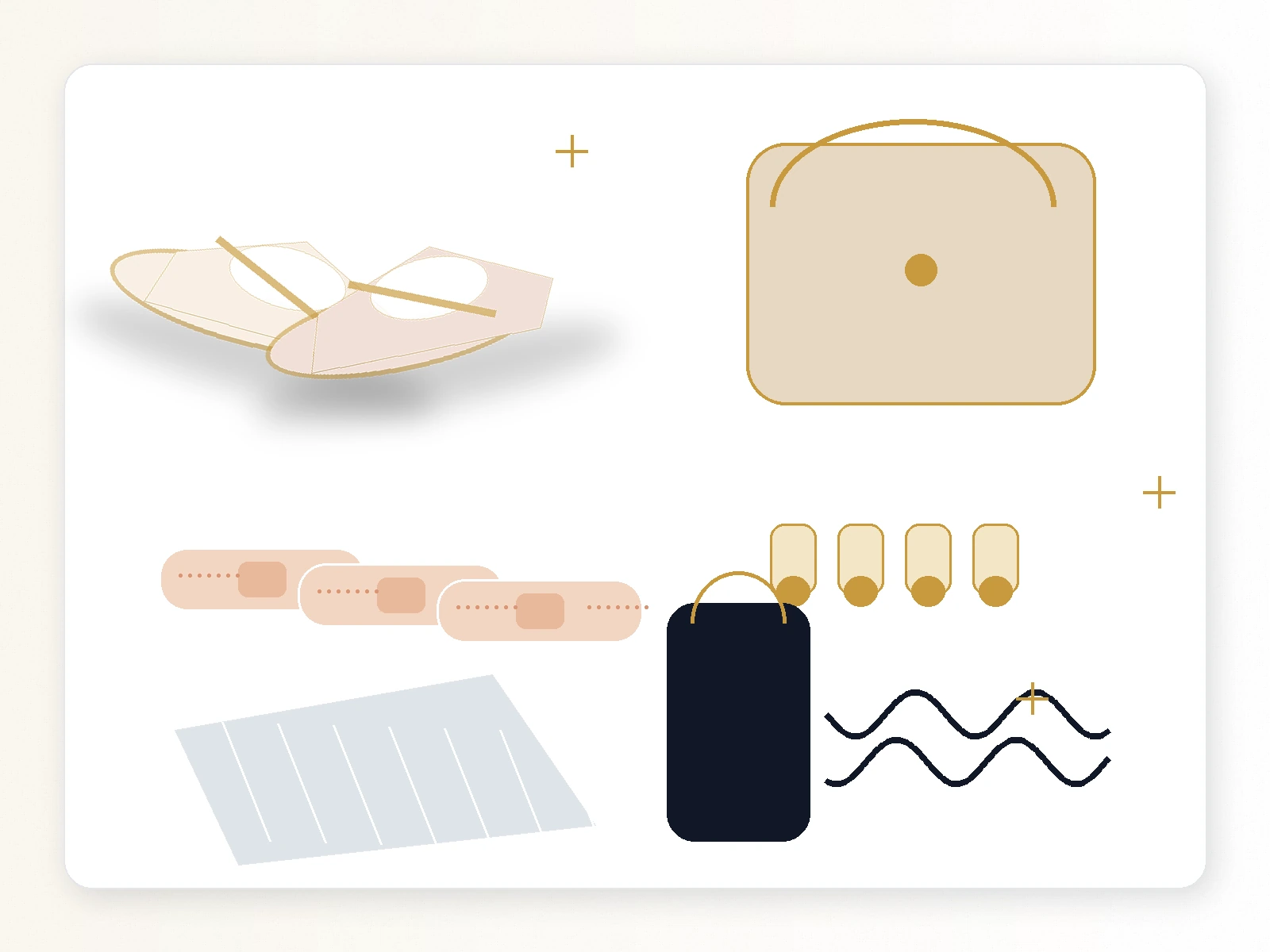
- Backup flats, low heels, dress shoes, or dance shoes.
- Shoe bag for ballroom shoes.
- Heel protectors or caps if appropriate for the venue.
- Cushions or inserts you have already tested.
- Blister bandages or moleskin.
- Small cloth for wiping shoes.
- Suede sole brush if wearing ballroom shoes indoors.
- Extra laces if wearing lace-up shoes.
- Fashion tape or hem tape for minor outfit issues.
- A plan for where the shoes will be stored before the first dance.
Test first: Do not put untested inserts into your shoes for the first time on the wedding day. Test everything before packing it.
Mistakes to avoid
1. Buying shoes only for photos
Beautiful shoes are wonderful, but the first dance is movement. Choose a dance pair if your ceremony pair is not practical.
2. Practicing in sneakers and dancing in heels
A heel changes posture, balance, step size, and timing. Practice in something close to the final shoe.
3. Changing heel height after alterations
A different heel height can change the dress hem. Bring final shoes to fittings.
4. Wearing suede soles outdoors
Suede ballroom soles are usually for clean indoor dance floors. Use outdoor-friendly shoes for grass, gravel, rain, pavement, and patios.
5. Wearing brand-new dress shoes
New dress shoes can be stiff or slick. Test them before the wedding.
6. Choosing backless shoes for turns
Mules and loose slingbacks can slip during turns. Use a secure pair for the dance.
7. Forgetting the partner’s shoes
Both partners’ shoes affect the dance. The person in dress shoes needs to test floor grip too.
8. Planning too many turns on carpet
Carpet fights rotation. Simplify choreography.
9. Assuming comfort while standing equals comfort while dancing
Walk, turn, shift weight, and test a full song.
10. No backup pair
A backup pair can save the reception if the main shoes hurt, slip, or do not match the floor.
When to ask your instructor or venue
Ask your instructor
- Should we practice in our actual wedding shoes?
- Is our first dance simple enough for these shoes?
- Do we need smoother soles for turns?
- Is this heel height changing posture or balance?
- Should the routine be adjusted for the dress or suit?
- Should we avoid dips or spins with these shoes?
Ask your venue
- What is the dance floor surface?
- Is the first dance indoors or outdoors?
- Is the floor polished, waxed, carpeted, or temporary?
- Are heel protectors recommended or required?
- Can we test shoes during a walkthrough?
- Is there a place to change shoes before the reception?
Working with a pro? Our guide to lead and follow explains why both partners’ footing matters.