
First: mistakes are normal in ballroom
Every dancer you admire was once a beginner who rushed the music and stared at their feet. Mistakes are not a sign that you are bad at dancing—they are a sign that you are learning several skills at once: timing, posture, footwork, and a partner. That is genuinely a lot.
So treat this guide as a friendly diagnosis, not a scorecard. Read the symptom, understand why it happens, try the one-minute drill, and then move on. You do not need to fix all twelve at once. Choose the one that shows up most, practice it for a week, and let the rest wait. New to ballroom overall? Start with the ballroom dance for beginners guide, then come back here.
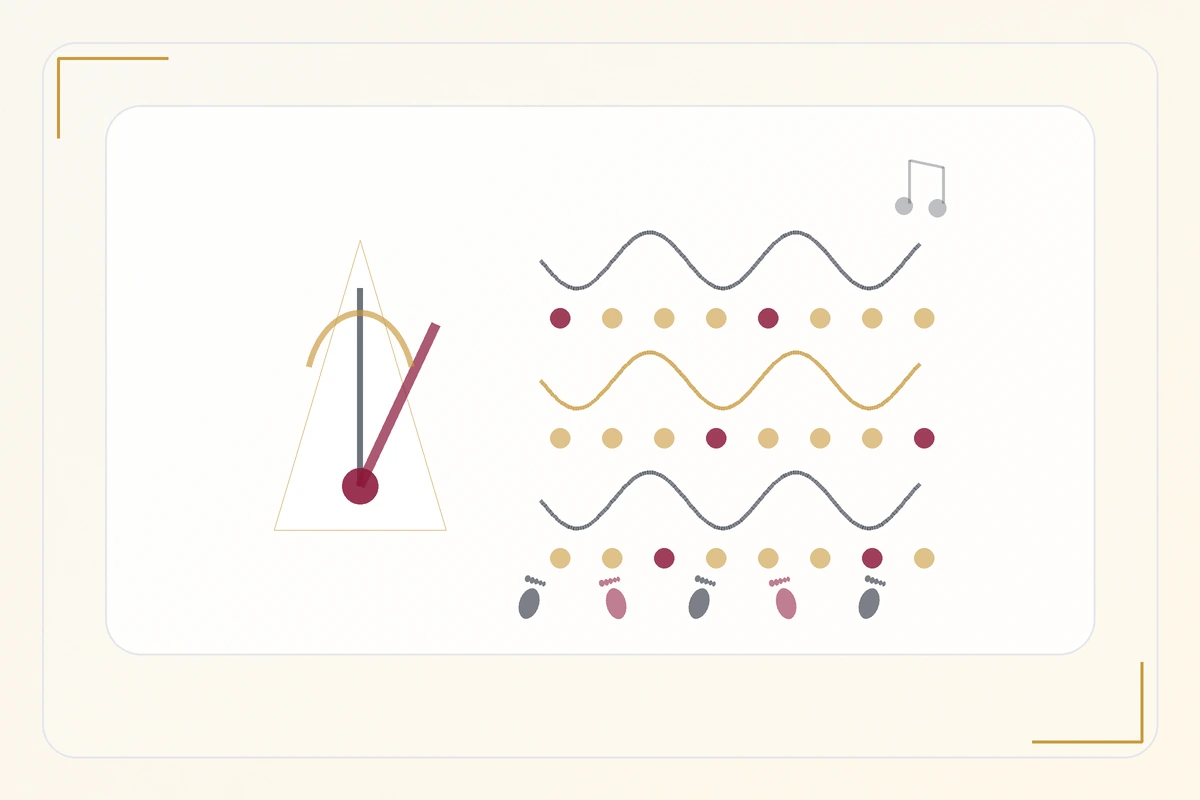
Practicing steps before music and timing
- What it looks like
- The foot pattern is right, but the dance starts early, ends late, or feels disconnected from the song.
- Why it happens
- You are memorizing feet before hearing the beat and count.
- Quick fix
- Listen, clap or count, then add one basic.
Try this drill — beat before feet: play a slow, clear song; clap 8 counts; shift weight for 16 counts; then add one basic.
Read next: how to count ballroom dance music and the ballroom dance tempo chart.
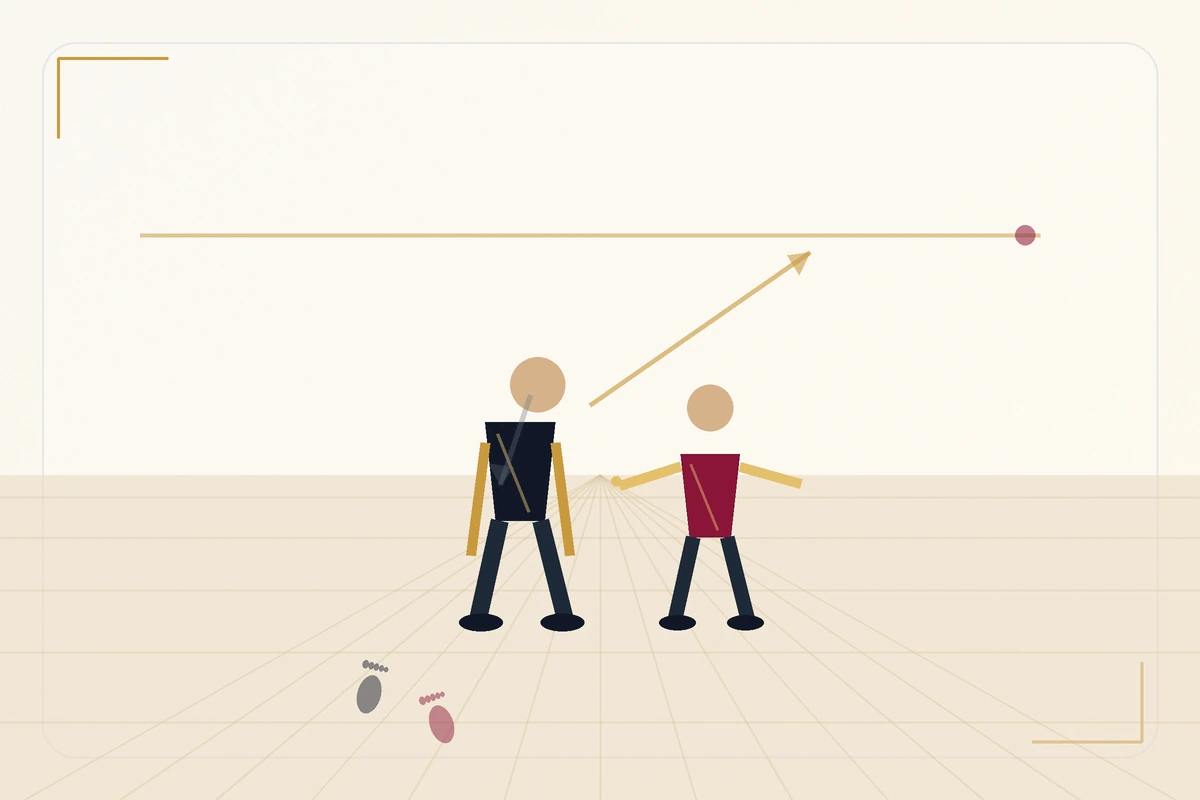
Looking down at your feet
- What it looks like
- Chin drops, shoulders round, and your whole posture shrinks.
- Why it happens
- Fear of stepping wrong or stepping on your partner.
- Quick fix
- Pick a soft eye line across the room.
Try this drill — eyes-up basic: do one basic while looking at a spot on the wall; check your feet only after you stop.
Read next: what to expect in your first ballroom lesson and fix ballroom frame and posture.
Collapsing posture or over-stiffening the frame
- What it looks like
- A slouched body, or locked shoulders and elbows.
- Why it happens
- Confusing frame with stiffness, or relaxation with collapse.
- Quick fix
- Tall and usable: upright spine, quiet shoulders, relaxed breath.
Try this drill — wall-to-frame reset: stand tall with your back near a wall, lengthen the spine, then carry that height into a light practice frame.
Read next: fix ballroom frame and posture.
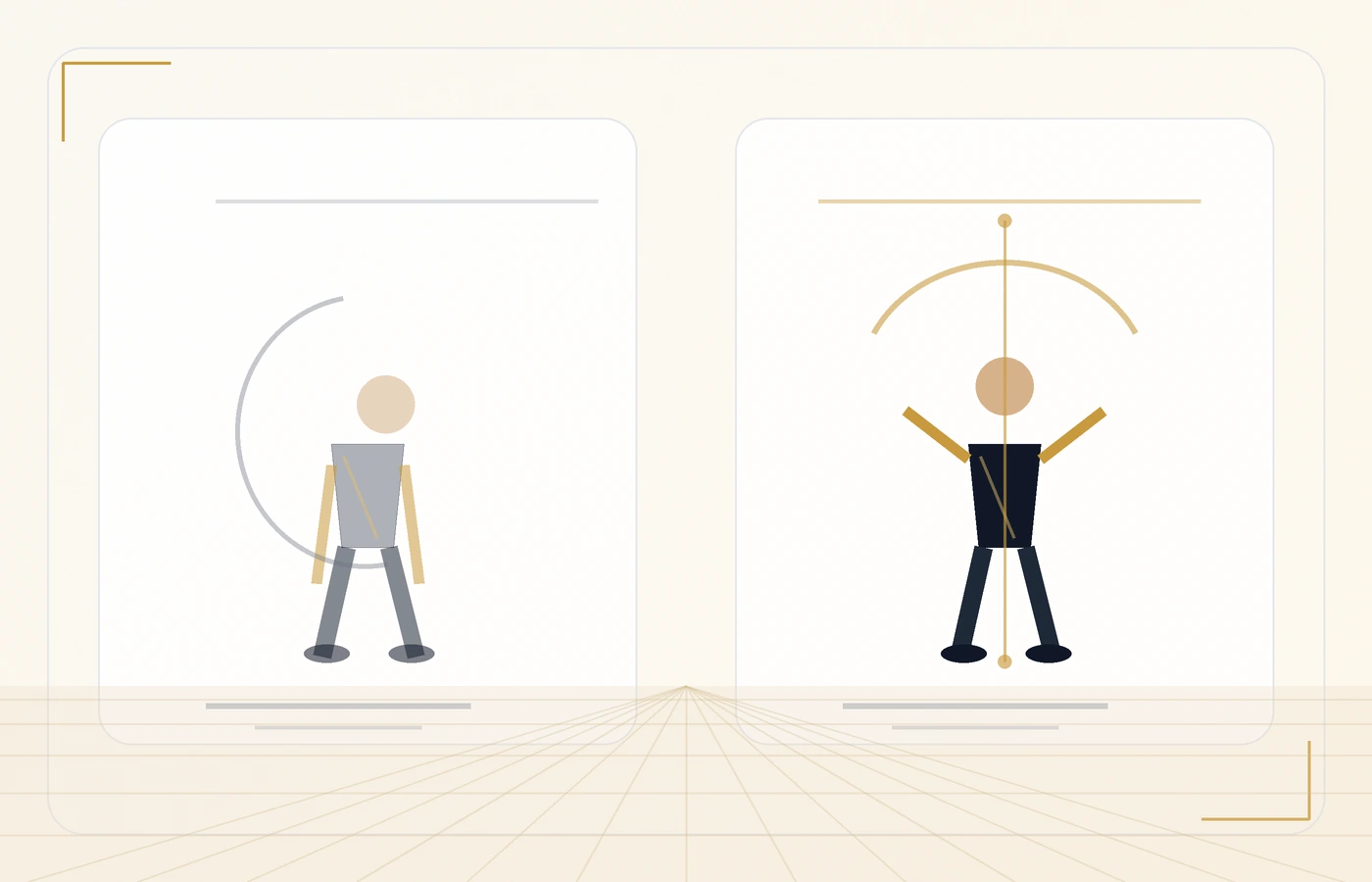
Taking steps that are too large
- What it looks like
- Overreaching, wobbling, and partner timing issues.
- Why it happens
- Copying advanced dancers before learning weight transfer and control.
- Quick fix
- Smaller steps, kept under your body.
Try this drill — half-size pattern: dance one phrase at half your usual step size and notice how much easier balance and timing become.
Read next: best ballroom dances for beginners and the simple ballroom dance practice routine.
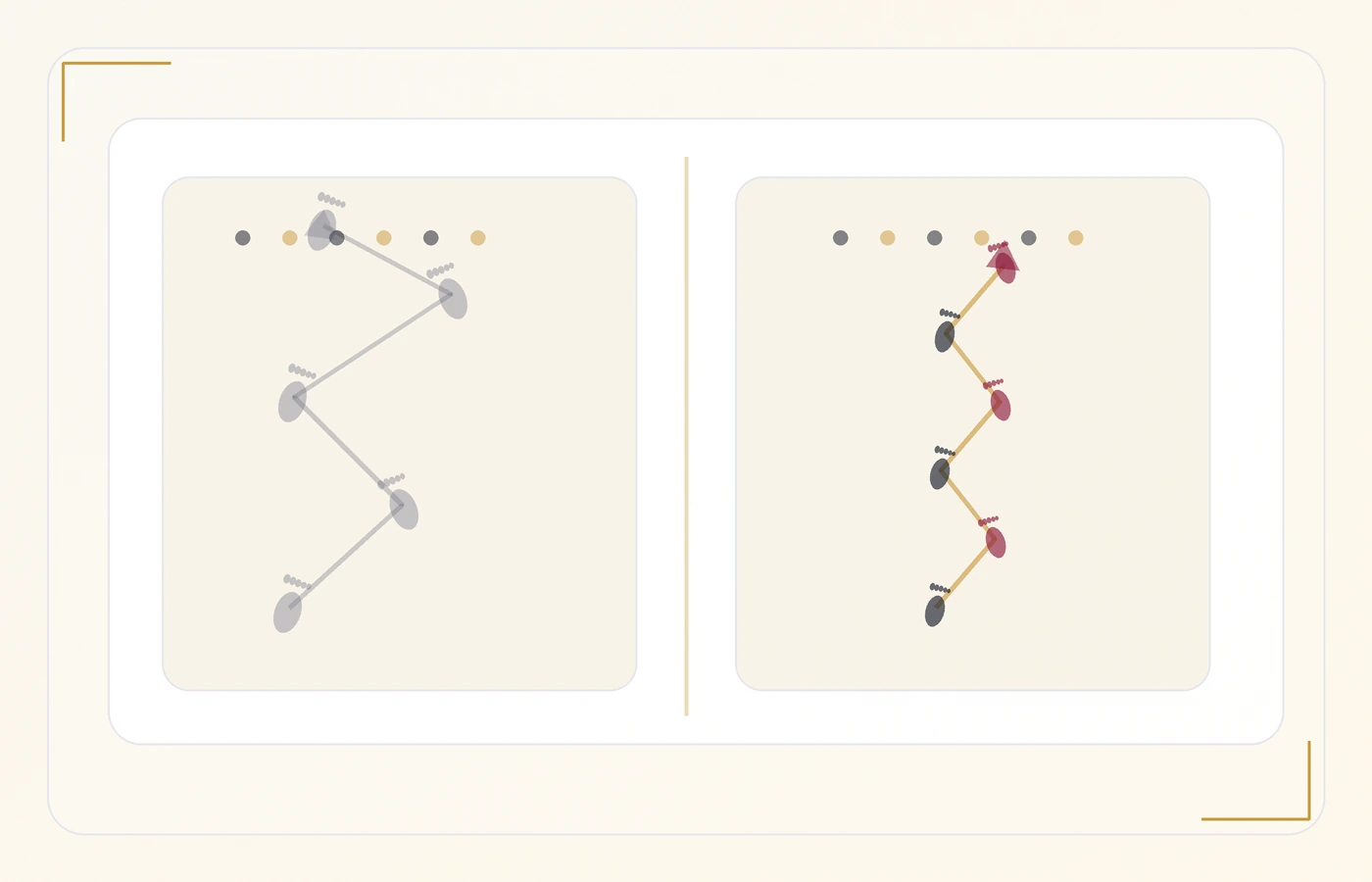
Rushing quick steps and dragging slow steps
- What it looks like
- Quick steps run away from you; slow steps arrive late.
- Why it happens
- You hear the beat but not the slow and quick divisions yet.
- Quick fix
- Say the count out loud before you dance.
Try this drill — say-then-step: speak the rhythm (for example, “slow, slow, quick-quick”) for a full song before you add any movement, then step exactly what you said.
Read next: how to count ballroom dance music and the ballroom dance tempo chart.
The step-size diagram above also helps here—smaller quicks are easier to keep on time. (Exact tempos vary by dance and source; use the tempo chart rather than assuming a single number.)
Treating arms like decoration instead of connection
- What it looks like
- Arms float, droop, or pose separately from the torso.
- Why it happens
- Thinking frame is an arm shape instead of a communication structure.
- Quick fix
- Let your body position support the arms; do not squeeze or hang.
Try this drill — frame without force: set a light frame, then gently turn your body and feel the arms move with you rather than from your hands.
Read next: understand lead and follow and fix ballroom frame and posture.
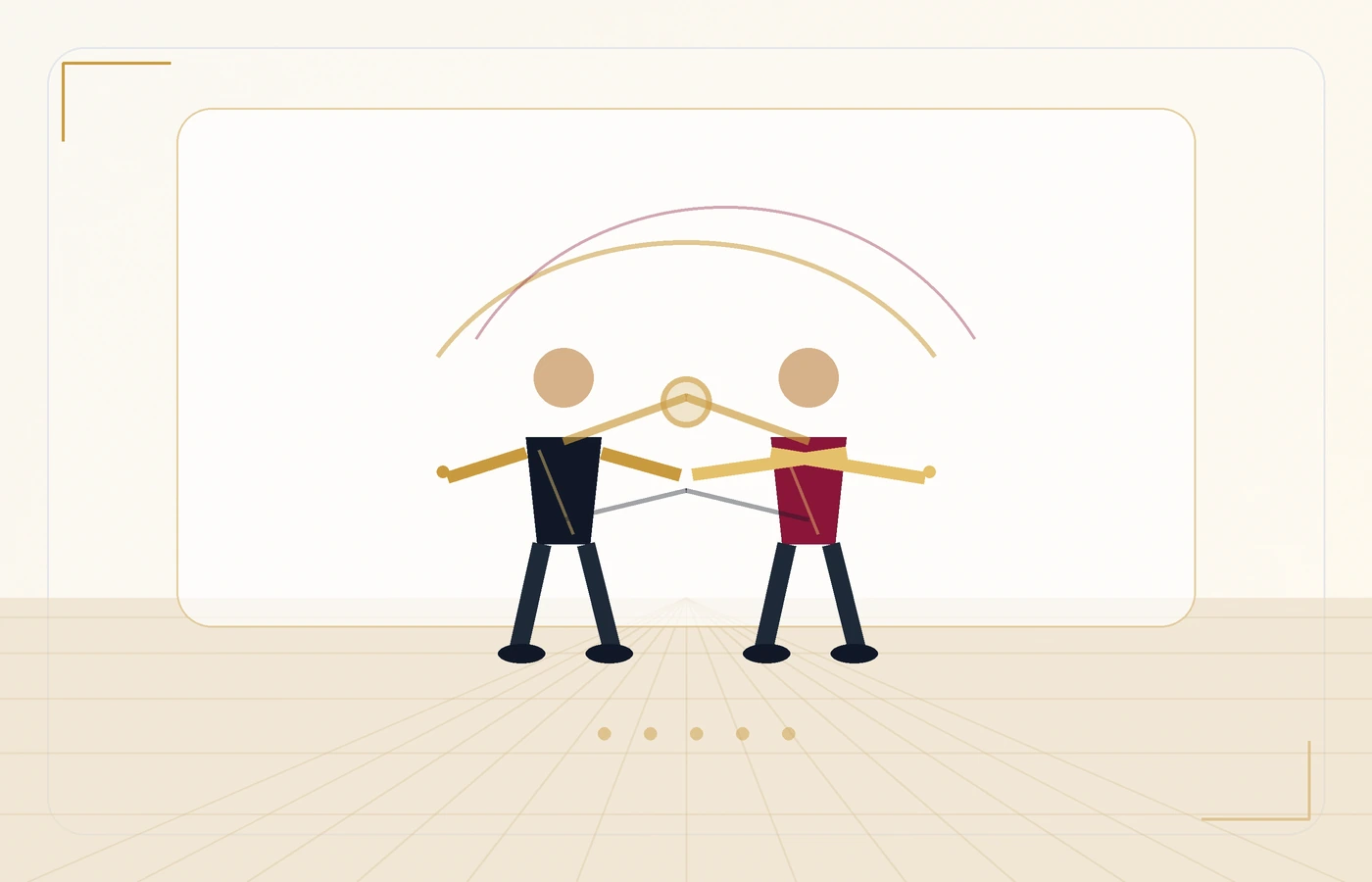
Pulling, pushing, guessing, or back-leading
- What it looks like
- The leader yanks or pushes; the follower anticipates; the partnership feels like two people correcting each other.
- Why it happens
- Both dancers try to help before timing and weight changes are clear.
- Quick fix
- Reduce force, pause, and wait for a clear weight transfer.
Try this drill — pause and listen: dance one basic, then add a short pause before each new action so both partners arrive on a clear, shared weight change.
Read next: understand lead and follow.
Use leader/follower language rather than gendered assumptions—either role can do either part.
Forgetting to breathe and dancing with tension
- What it looks like
- Shoulders lift, hands grip, and the jaw tightens.
- Why it happens
- Concentration and normal beginner anxiety.
- Quick fix
- Exhale before you start, soften your hands, and reset your shoulders.
Try this drill — one-breath reset: before each attempt, take one slow exhale and drop your shoulders, then begin.
Read next: fix ballroom frame and posture.
Practicing without a simple repeatable plan
- What it looks like
- Random practice with no measurable progress.
- Why it happens
- Trying to fix everything at once.
- Quick fix
- Pick one mistake, one drill, one dance.
Try this drill — one-mistake practice log: at the end of each session, write the one habit you worked on, one win, and one question for your teacher.
Read next: the simple ballroom dance practice routine.
Wearing the wrong shoes or practicing on the wrong surface
- What it looks like
- Feet stick, slip, overgrip, or feel unstable.
- Why it happens
- Street shoes, sticky rubber soles, unsuitable floors, or worn-out shoes.
- Quick fix
- Use stable shoes and a safe floor; ask your instructor before investing in dance shoes.
Try this drill — shoe and surface check: test a few small steps and turns in your space; if you stick or slide, change shoes or floor before practicing more.
Read next: ballroom dance shoes for beginners.
Trying to learn too many dances at once
- What it looks like
- Sampling many dances but retaining none.
- Why it happens
- Enthusiasm plus too many styles.
- Quick fix
- One primary dance for one week.
Try this drill — seven-day focus: choose a single dance and practice only its basic and timing for a week before adding another.
Read next: best ballroom dances for beginners and compare ballroom dance styles.
Comparing yourself to advanced dancers too early
- What it looks like
- Copying dramatic styling, losing confidence, and feeling behind.
- Why it happens
- Advanced dancers hide years of training behind effortless-looking movement.
- Quick fix
- Compare yourself to last week, not to a pro demo.
Try this drill — one-win note: after each practice, write one thing that felt better than last time.
Read next: the ballroom dance for beginners guide.
Quick-fix practice plan: 10, 20, or 30 minutes
Pick the time you actually have. Each plan fixes one habit at a time—don’t stack all twelve into one session.
10 minutes
- 2 min: clap and count one slow song.
- 5 min: one basic, eyes up, small steps.
- 3 min: write one win and one question.
20 minutes
- 3 min: posture and breath reset.
- 5 min: say-then-step the rhythm.
- 9 min: one basic with a slow song.
- 3 min: practice-log note.
30 minutes
- 5 min: warm-up and posture.
- 7 min: counting and timing.
- 13 min: one basic + one drill from your top mistake.
- 5 min: review and one teacher question.
Want this as a full standalone plan? Use the simple ballroom dance practice routine.
Practice fixes with music
Many beginner mistakes become easier to fix when you practice with slow, repeatable music and learn to hear the beat before adding bigger movement. Use these playlist resources to support simple timing practice: clap the beat, shift weight, then try one basic pattern. Playlists help you practice, but they do not replace feedback from a teacher or experienced partner.
-
Ballroom / Standard playlist resources
Smooth, traveling music for posture and timing practice.
-
American Smooth resources
For Smooth-family practice songs.
-
American Rhythm resources
For Rhythm-family practice songs.
-
International Latin resources
For Latin-family practice songs.
-
Hubs & Telegram
Browse everything or follow along for new sets.
More timing help: Ballroom Music & Timing, how to count ballroom dance music, and the ballroom dance tempo chart.
What to read next based on your biggest mistake
Need a term defined? Browse the ballroom dance glossary or all beginner ballroom guides.