
Ballroom Glossary / Steps & Weight Transfer
Rock Step
A rock step is a dance action where you step onto one foot and then recover or replace your weight back to the other foot. It is used in many ballroom, rhythm, swing, and social dance contexts to create rhythm, direction change, and control.
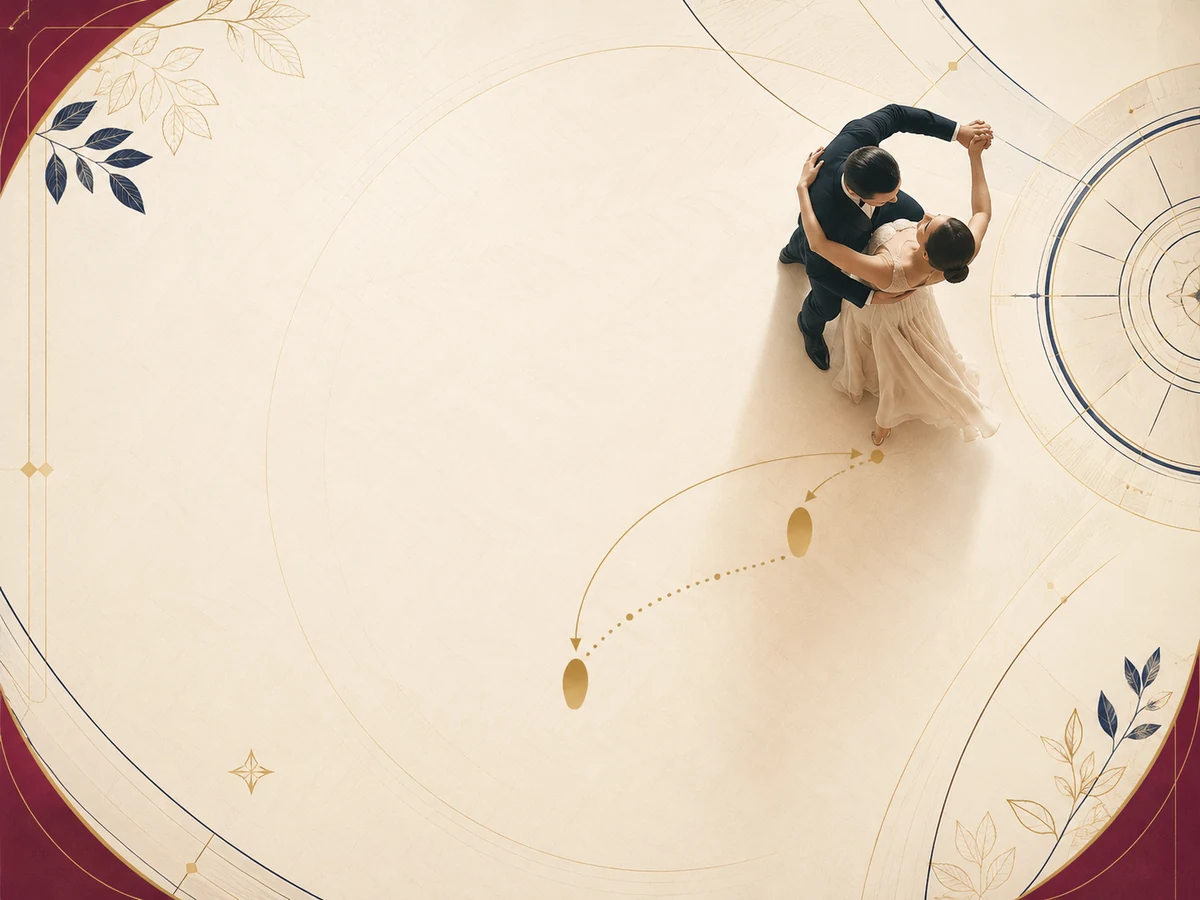
Quick definition of rock step
Rock Step
- Term
- Rock Step
- Also described as
- Rock and recover, rock-recover action, back rock, forward rock, side rock
- Used for
- Weight transfer and direction change in partner dancing
- Basic meaning
- Step onto one foot, then replace or recover weight back to the other foot
- Commonly connected with
- Swing / East Coast Swing, Jive, Cha Cha, Rumba, Mambo, Salsa, and other rhythm or social dances
- Beginner translation
- “Rock onto one foot, then recover your weight.”
- Common confusion
- It does not mean dancing to rock music, and it does not mean bouncing your upper body.
In plain English, a rock step usually means “rock your weight onto one foot, then recover your weight back.”
What a rock step means
A rock step is not a dance style. It is a step action.
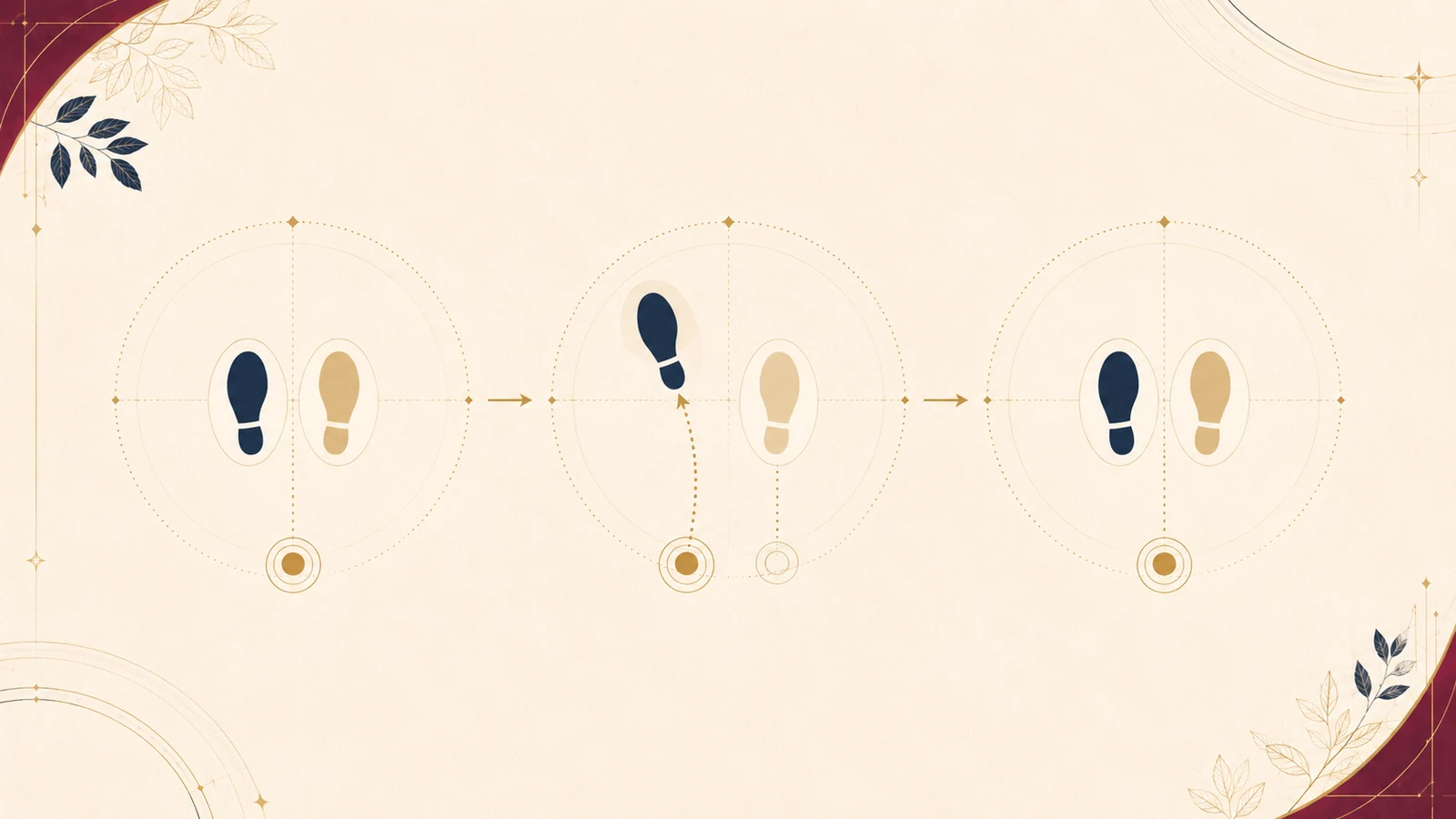
The key idea is weight transfer. You move weight onto one foot, then return or replace your weight back to the other foot. That simple action can help a dancer change direction, prepare for another movement, stay on rhythm, or keep a partner pattern organized.
The exact timing, direction, size, styling, and body action depend on the dance. A rock step in Swing does not have to feel exactly like a rocking action in Cha Cha, Rumba, Mambo, Salsa, or Jive.
How a rock step works
Think of a rock step in four simple ideas:
Step
Place one foot in a direction: back, forward, or side.
Transfer weight
Let that foot actually receive your weight. Do not just tap the floor.
Recover or replace
Return your weight to the other foot.
Continue
Move into the next part of the rhythm or pattern.
- Step
- Transfer weight
- Recover / replace weight
- Continue
A rock step can be very small. Bigger is not usually better for beginners. A small, clear rock-and-recover action is easier to balance and easier for a partner to feel.
Teacher note: “Rock” means controlled weight replacement. It does not mean throwing your shoulders, bouncing your chest, or collapsing backward.
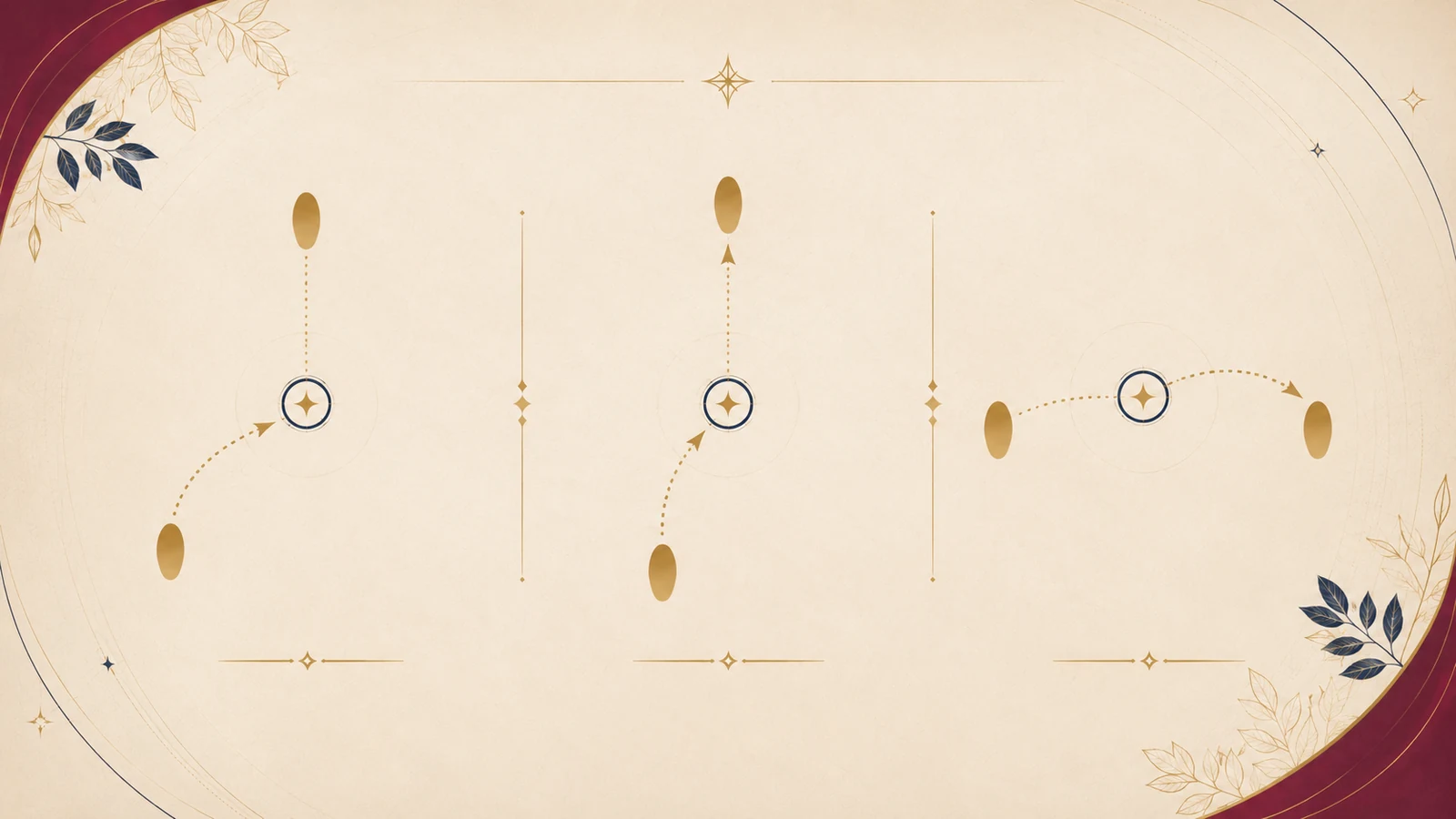
Rock step vs rock and recover vs break step
These terms overlap, and teachers may use them in slightly different ways. Here is how they relate—and how the directional variations work.
| Term | What it usually describes |
|---|---|
| Rock step | A broad plain-English term for stepping onto one foot and replacing weight. |
| Rock and recover | A teaching phrase that emphasizes the return of weight. |
| Break step | A related term often used in Latin and social dance contexts. In dances such as Salsa or Mambo, “break” may describe the step that changes direction in the basic pattern. It can feel rock-like, but the timing and dance vocabulary are not always identical. |
| Back rock | Rocking backward, then recovering forward. |
| Forward rock | Rocking forward, then recovering back. |
| Side rock | Rocking to the side, then recovering toward the other foot. |
Where you’ll see rock steps
You may hear “rock step” or a related phrase in several dance contexts. Treat each one as related vocabulary—not automatically the same action.
East Coast Swing / Swing
A beginner Swing pattern often includes a rock step and triple steps. Teachers may use “rock step” to help dancers feel the back-and-recover action before moving into the rest of the rhythm. See the East Coast Swing guide.
Jive
Jive uses rock-style actions, often with a quick, compact feeling. This page is not a Jive technique tutorial, so learn the full action from a dedicated Jive guide or an instructor.
Cha Cha
Cha Cha patterns often combine rock steps or break actions with chassés. The count and styling depend on the style being taught. See the Cha Cha guide.
Rumba
Rumba includes rocking or replacing actions in some figures and teaching contexts, but the movement quality is different from Swing. See the Rumba guide.
Mambo
Mambo vocabulary often uses break steps and rock/recover ideas. Treat it as related vocabulary, not automatically the same as a Swing rock step. See the Mambo guide.
Salsa
Salsa commonly uses the term “break step.” Depending on the style, dancers may break on different counts. A beginner may feel this as a forward or backward rock-and-recover idea, but Salsa terminology and timing should be learned in context. See the Salsa guide.
Want the rhythm side first? Learn how to count ballroom dance music, compare speeds on the tempo chart, and see how weight changes connect to partner communication in lead and follow and frame and posture.
Beginner example
In Swing, a teacher may say “rock step” to help you feel a backward step and recovery before moving into the rest of the rhythm.
The important idea is not to jump, yank your partner, or collapse backward. Keep the action small. Change weight clearly. Recover under control.
This example is only meant to explain the term. It is not a complete Swing basic tutorial—for that, follow the East Coast Swing guide.
Why it matters
Rock steps matter because they teach one of the most important beginner dance skills: knowing where your weight is.
A clear rock step helps you:
- understand weight transfer
- stop stepping without committing weight
- make rhythm easier to hear and feel
- change direction with control
- prepare for turns or partner patterns
- understand phrases like back rock, forward rock, side rock, rock and recover, and break step
- avoid pulling or surprising your partner
When your weight change is clear, the dance usually feels calmer, cleaner, and easier to follow.
Common mistakes
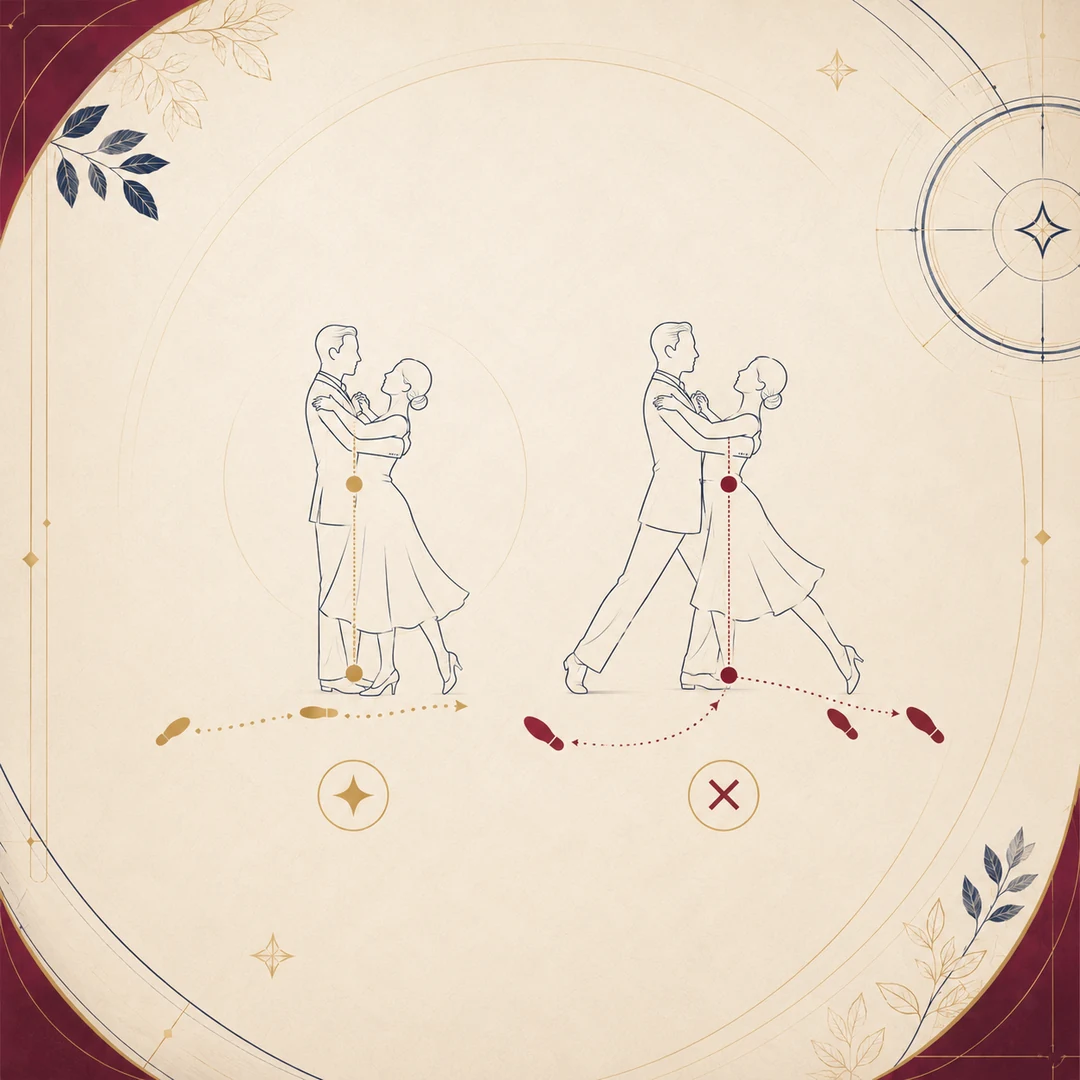
Rocking the upper body
The action should happen through the feet and legs, not by throwing your shoulders.
Sitting back or collapsing
Stay balanced. A back rock should not feel like falling.
Not actually transferring weight
A rock step is not a tap. Let the stepping foot receive weight, then recover.
Overstepping
Large rock steps often make beginners late or off balance. Keep it small.
Rushing the recover
The recovery is part of the rhythm. Do not skip it.
Pulling the partner
Your partner should not be dragged through your rock step. Keep the action controlled.
Looking down
Glancing down may happen at first, but do not build the habit of dancing with your head dropped.
Making every dance feel the same
Swing, Cha Cha, Rumba, Mambo, Salsa, and Jive use related ideas differently.
Practicing without the music
Count with the beat, not just with words.
Practice tips
Try these drills before adding turns, speed, or partner connection:
- Say “rock, recover” out loud. Let the words remind you that the weight returns.
- Practice a small back rock alone. Step back, receive weight, recover forward.
- Keep it small and balanced. Your goal is clarity, not distance.
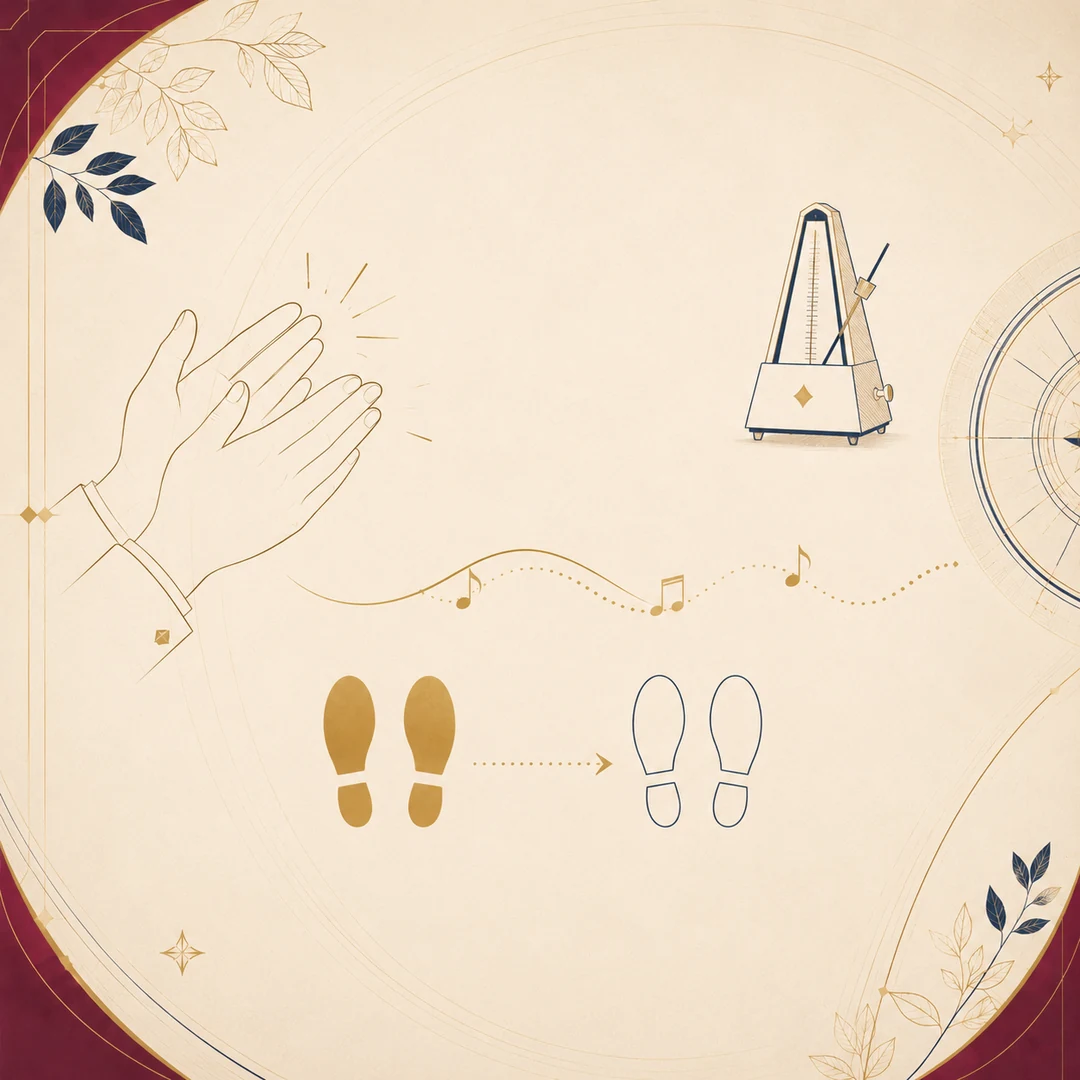
- Clap the rhythm first. Then step it.
- Practice slowly. Add dance-speed music later.
- Choose music by dance. Use Swing for Swing practice, Cha Cha for Cha Cha practice, and so on.
- Add a partner only when the weight change is clear. If you are adding turns or connection, practice with safe spacing and instructor guidance.
Practice with music
Practice rock steps with rhythm and Swing music
Music helps a rock step stop feeling like a mechanical exercise. Start with Swing music if you are learning the common beginner Swing use of rock step. Listen for the beat, say “rock, recover,” then keep the step small.
Primary: Swing playlist
The Rhythm Swing playlist gives you a clear, steady beat for rock-and-recover practice. The embed loads on demand to keep the page fast; you can also open it directly in Spotify.
Open the Swing playlist on Spotify if the player above does not load.
Secondary listening
-
Cha Cha Playlist
Quicker rhythm for Cha Cha rock and break actions.
-
Rumba Playlist
Slower, grounded weight changes for Rumba.
-
Jive Playlist
Fast, energetic music for compact Jive rock actions.
-
Mambo Playlist
Break-step rhythm and feel for Mambo practice.
Playlist URL to verify before publishing
-
Salsa Playlist
Music for Salsa break-step timing in context.
Playlist URL to verify before publishing
-
Ballroom Pages Music on Telegram
Follow new practice playlists and timing tips.
Explore the full Music & Timing section for more playlists and practice guidance.
FAQ
Rock Step FAQ
What is a rock step in dance?
A rock step is a dance action where you step onto one foot and then recover or replace weight back to the other foot.
Is a rock step the same in every dance?
No. The basic idea of stepping and recovering weight is shared, but timing, direction, styling, size, and body action vary by dance.
What is the difference between rock step and rock and recover?
They are closely related. “Rock and recover” is a teaching phrase that makes the second part of the action clearer: you rock onto one foot, then recover your weight.
What is a back rock step?
A back rock step means you step backward onto one foot, then recover forward to the other foot.
What dances use rock steps?
Rock steps or related rock/break actions appear in Swing, East Coast Swing, Jive, Cha Cha, Rumba, Mambo, Salsa, and other partner dance contexts.
Is rock step used in Swing?
Yes. Rock step is strongly connected with beginner Swing and East Coast Swing instruction.
Is rock step used in Cha Cha or Rumba?
Cha Cha often uses rock steps or break actions with chassés. Rumba includes controlled rocking or replacing actions in some figures and teaching contexts, but the feeling is not identical to Swing.
Why do I feel off balance during a rock step?
The most common reasons are stepping too far, dropping the upper body, not transferring weight clearly, or rushing the recovery.
Does rock step mean dancing to rock music?
No. “Rock step” describes a movement action. It does not mean the music must be rock music.
Editorial note
Dance terminology varies by dance, syllabus, teacher, level, and social context. This glossary entry explains the beginner-friendly meaning of “rock step” and points you toward full dance guides for detailed timing and technique. Ballroom Pages follows an editorial policy of education-first guidance. Questions? Contact us. Updated May 21, 2026.