Ballroom dance dresses at a glance
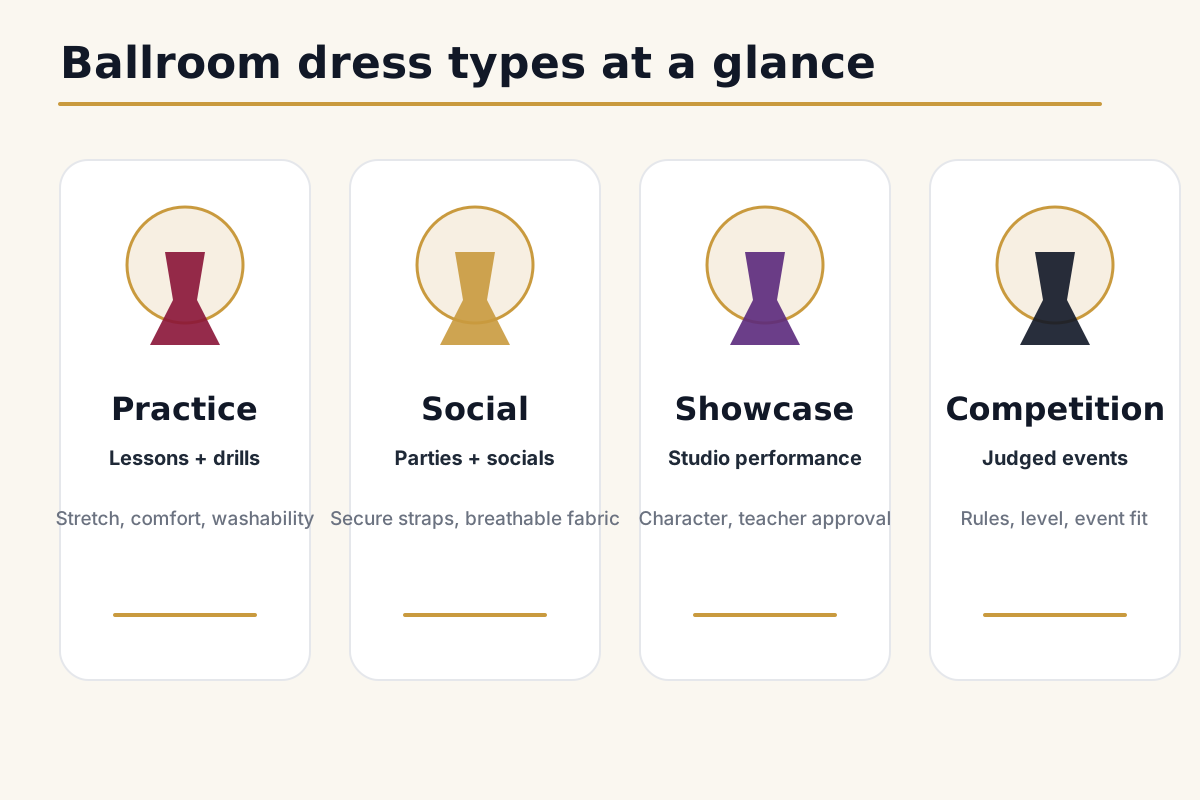
| Dress type | Best for | Priority | Main caution |
|---|---|---|---|
| Practice dress | Lessons, drilling, rehearsal | Comfort and free movement | Looks come last; choose for the floor and the work |
| Social dress | Social dances, parties, milongas | Comfortable, secure, easy to move in all evening | Stay danceable; avoid anything that catches or rides up |
| Showcase dress | Studio showcases, recitals, performances | Looks intentional and supports the choreography | Danceability still beats drama; rehearse in it |
| Competition gown/dress | Pro-Am, amateur, and pro competition | Style-appropriate, rule-compliant, secure | Rules vary by event/level/age—confirm before buying or decorating |
What counts as a ballroom dance dress?
“Ballroom dance dress” is a broad term. It can mean a simple practice dress you wear to lessons, a social dress for an evening out, a showcase outfit built around a routine, or a competition gown made for a specific dance family. What they share is that they are chosen—or built—to support movement: turning, traveling, reaching, breathing, and partnering, while staying secure.
A street dress is designed to look good standing still. A dance dress is designed to look good while you move. That is the core difference, and it is why fit, stretch, support, and construction matter as much as color and decoration.
Practice wear vs social dress vs showcase dress vs competition dress
These four contexts overlap, but they ask for different things. Match the dress to where you are dancing and why.
| Feature | Practice | Social | Showcase | Competition |
|---|---|---|---|---|
| Main goal | Comfort, repetition | Comfortable all evening | Performance look | Style + rule-compliant look |
| Decoration | Minimal | Modest to moderate | Moderate to expressive | Varies by level/rules |
| Investment | Lowest | Low–moderate | Moderate | Highest (or rent) |
| Rules to check | Studio norms | Venue/social norms | Studio guidance | Event & organization rules |
| Buy when | You practice regularly | You attend socials | You have a routine | You have an event, level & teacher guidance |
Smooth and Standard gowns
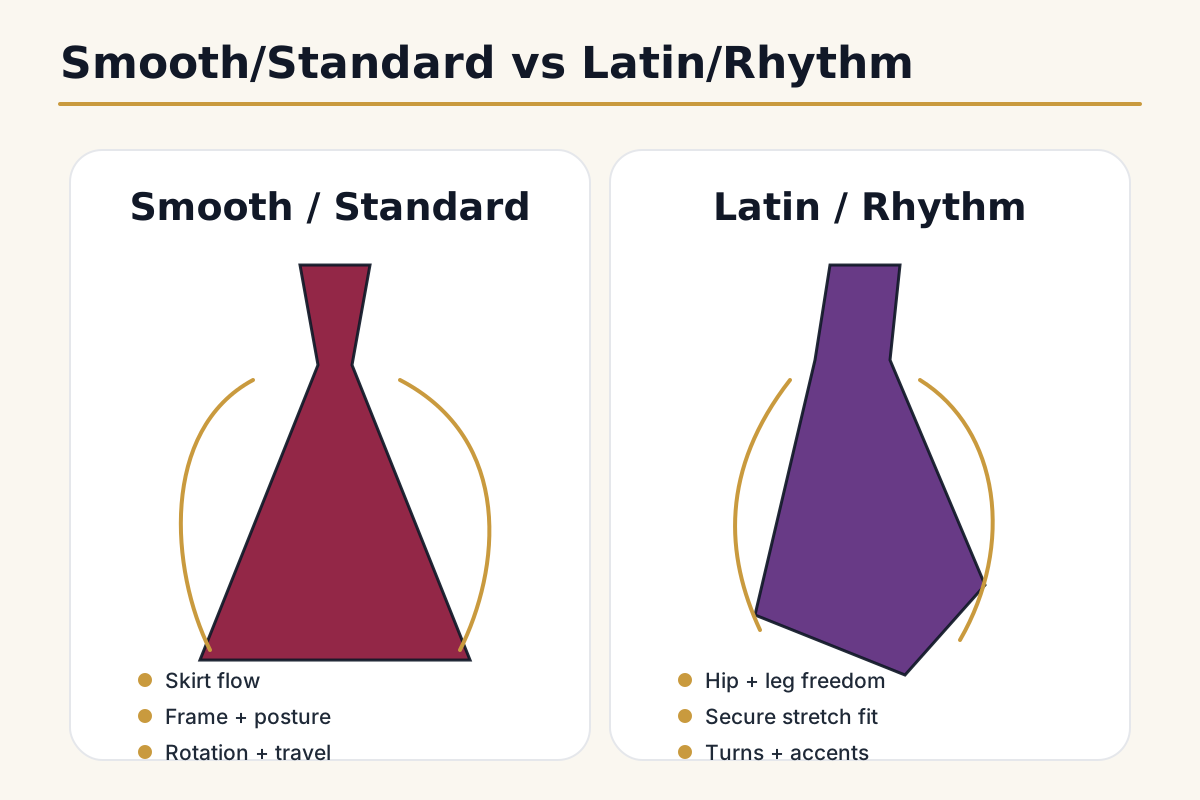
Smooth and Standard gowns support sweeping, traveling movement and a strong, lifted frame for dances like Waltz, Foxtrot, Tango, and Quickstep. They are usually longer and fuller, often with flowing skirts that move with travel and rotation, and construction that holds posture without restricting the arms.
For the dances themselves, see ballroom dance styles; for the frame these gowns support, see frame and posture.
| Aspect | Smooth / Standard gown | Latin / Rhythm dress |
|---|---|---|
| Typical length | Usually longer, often floor-skimming | Usually shorter |
| Silhouette | Fuller; flowing skirt for travel | Closer to the body |
| Movement shown | Sweep, rotation, frame, travel | Leg action, hip movement, rib articulation |
| Supports | Posture and a lifted frame | Free, dynamic lower-body movement |
| Common dances | Waltz, Foxtrot, Tango, Viennese Waltz, Quickstep | Cha Cha, Rumba, Samba, Jive, Swing, Bolero, Mambo |
Latin and Rhythm dresses
Latin and Rhythm dresses are usually shorter and closer to the body to show leg action, hip movement, and rib articulation for dances like Rumba, Cha Cha, Samba, Jive, and Swing. Stretch and secure construction matter a lot here, because the dancing is dynamic and the dress needs to stay put through quick changes of direction and big movement.
Compare the dance families in ballroom dance styles. (A dedicated Latin-vs-ballroom shoes comparison is planned in the gear hub.)
| Dance family | What the dress needs to do | Watch for |
|---|---|---|
| Waltz / Foxtrot (Smooth/Standard) | Flow with travel and rotation; support frame | Hem catching the feet; skirt volume on turns |
| Tango (Smooth/Standard) | Support a strong, controlled frame and shaping | Anything that restricts the arms or posture |
| Rumba / Cha Cha (Latin/Rhythm) | Free hip and rib movement; show leg action | Riding up; bodice or strap slipping |
| Swing / Jive / Samba (Latin/Rhythm) | Stretch and bounce; stay secure at speed | Strap security; hem flying too high |
| Bolero (Rhythm) | Slow control, rise/fall, full arm range | Tight shoulders; anything limiting reach |
Wedding and first-dance dress considerations
A wedding first dance adds one more variable: the dress is chosen for the wedding first and the dance second. The key is to practice in something close to your wedding silhouette—skirt volume, train, straps, and shoe height all change how you move.
- Try your choreography in a similar skirt length and fullness before the day.
- Plan how to manage a train or long hem during turns and travel.
- Confirm straps and bodice stay secure with arms up and during a dip if you have one.
- Coordinate dress and shoe height—see wedding dance shoes.
Plan the whole first dance with the wedding dance guide and a first dance practice plan.
Beginner first-dress recommendation by use case
You rarely need to spend a lot at the start. Here is a sensible first step by goal.
| Goal | Sensible first step | Why |
|---|---|---|
| First lessons | Comfortable practice clothing you already own | No special dress needed; focus on moving and learning |
| Regular practice | A simple, movement-friendly practice dress or skirt + top | Comfort and free movement for repetition |
| Social dancing | One versatile social dress that moves well | Covers most socials without overcommitting |
| First showcase | A clean, intentional dress; rehearse in it | Looks polished without needing a competition gown |
| First competition | A simple, level-appropriate dress (consider renting) | Meets newcomer expectations; lower commitment |
| Wedding first dance | Practice in a wedding-like silhouette | The wedding dress leads; rehearse movement in it |
New to ballroom? Start with ballroom dance for beginners and the first lesson guide.
Fabric, stretch, movement and comfort

There is no single “best” fabric. Many dance dresses use stretch fabrics for movement and support, with flowing or floaty materials in skirts for travel and shape. What matters is how the fabric behaves when you move: does it stretch where you need it, hold where you need support, and flow the way you want?
- Stretch: helps the dress move with you and stay secure—important for Latin/Rhythm and dynamic dances.
- Flow: floaty skirt fabrics enhance travel and rotation in Smooth/Standard.
- Support: bodice construction and linings keep you secure during arms-up movement.
- Comfort: breathability and weight matter over a long practice or competition day.
Fit, sizing, length, straps, support and alterations
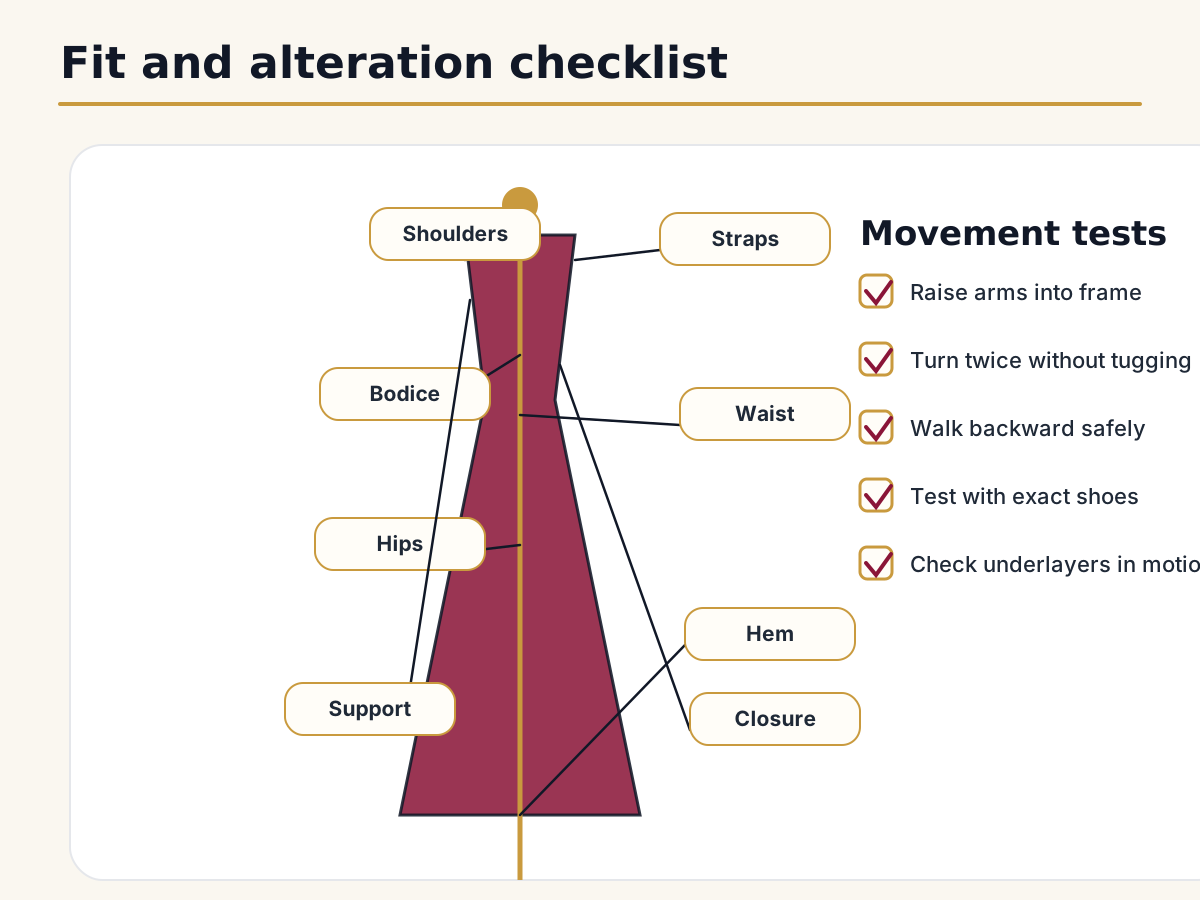
A dance dress should be secure and supportive while letting you move, breathe, and reach fully. Sizing is not universal across makers, and alterations are completely normal—most dancers adjust fit for movement. Use this checklist before keeping or finalizing a dress:
- Straps and bodice stay secure with your arms up and overhead.
- Nothing pinches, digs, or restricts your breathing when you reach.
- The hem and skirt do not catch your feet or your partner.
- The dress does not ride up or shift during turns and travel.
- You can do your dance’s biggest movement comfortably, not just stand still.
- Length and skirt volume suit the dance family and your height/shoe heel.
- Support and lining feel secure for your comfort and the choreography.
- You have noted any alterations a tailor or costume specialist should make.
- You checked the return/exchange policy before altering or dancing in it.
Check every dress the same way
Download the Ballroom Dance Dress Checklist and use it for fit, movement, rules, and care—before you buy, rent, or alter.
Download the Ballroom Dress ChecklistBudget: rental, off-the-rack, used, or custom?
All four routes can work. The right one depends on your budget, timeline, body, and goals. This guide is brand-neutral and does not recommend specific sellers, prices, or products.
| Route | Best for | Trade-offs |
|---|---|---|
| Rental | First events, flexibility, lower commitment | Limited availability/sizing; you return it; fit may need pinning |
| Off-the-rack | Faster purchase, predictable timing | Fit may need alterations; less creative control |
| Used / pre-owned | Value, sustainability, finding higher-end at lower cost | Condition and fit vary; alterations may be limited |
| Custom | Best fit and creative control | Highest cost and longest lead time; plan well ahead |
Competition and showcase rule-check
Dress and costume rules are not universal. They vary by event, organizer, organization, country, age group, level, and whether your category is syllabus or open. Newcomer and youth categories in particular often have stricter limits on decoration, fabric, and styling. Always read the current rulebook and event materials, and ask your teacher, before you buy, decorate, or alter a dress.
Things events commonly address (differently): the amount and type of decoration allowed at a level, fabric and coverage expectations, age-appropriate guidelines for youth, and what distinguishes syllabus from open categories. Because these change by year and organizer, this guide does not state any rule as universal—use the sources below as starting points and confirm specifics for your event.
Preparing to compete? See the competitions hub, the Pro-Am guide, and the first competition checklist.
What to ask your teacher before buying
Your teacher knows your dances, level, and event context. Bring these questions:
- For my dances and level, should I focus on a Smooth/Standard or Latin/Rhythm dress—or a versatile practice dress for now?
- What length, fullness, and support suit the dances I’m learning?
- Which event and organization am I dancing in, and where are its current dress rules?
- Are there decoration or coverage limits for my level or age group?
- Should I rent, buy off-the-rack, or wait?
- What alterations should I plan for?
- What should I avoid for the floor and dances I’m doing?
Dress care and transport checklist
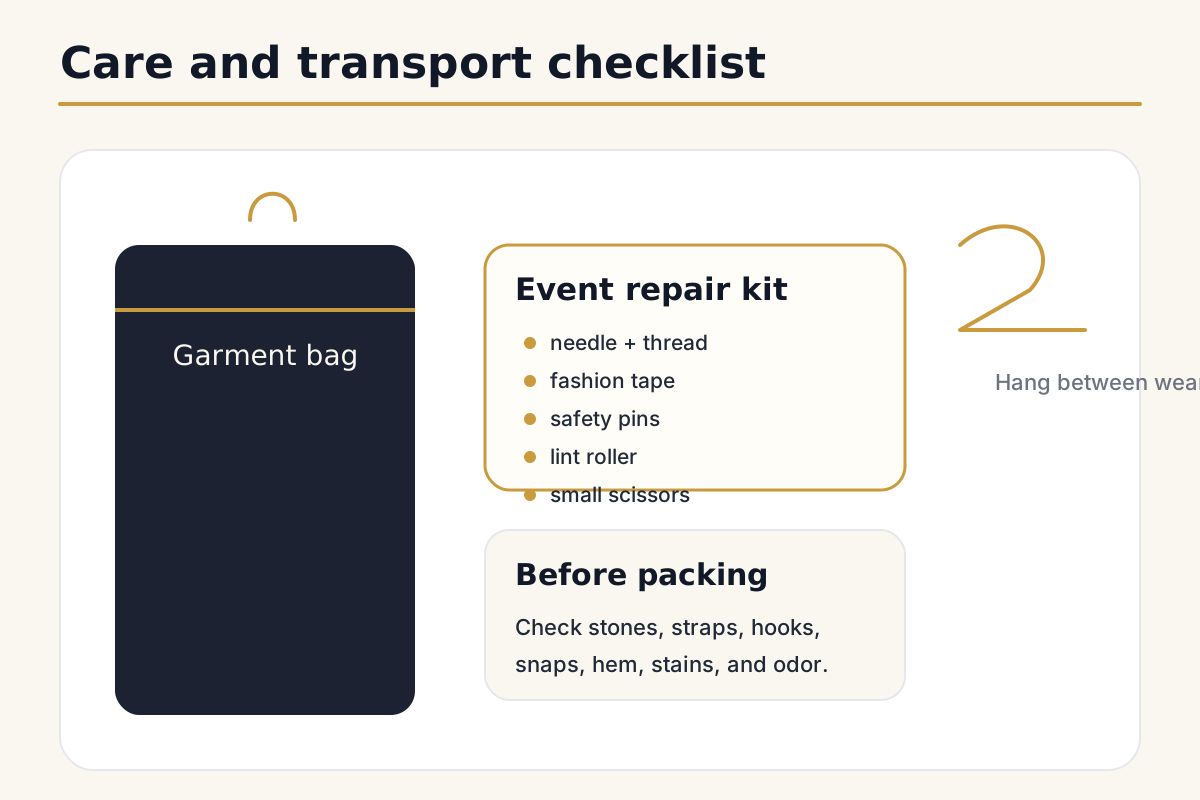
| Task | What to do |
|---|---|
| Transport | Use a garment bag; hang so decorations and trims will not snag or crush. |
| Repair kit | Pack spare stones/glue (if applicable), hooks, safety pins, and a small sewing kit. |
| Care instructions | Follow the specific fabric/stone/appliqué care; avoid heat and rough handling. |
| After wearing | Air it out before storing; address sweat and makeup per the care guidance. |
| Storage | Store hung or boxed as advised so the shape and decoration last. |
| When unsure | Ask the maker or a costume specialist—do not guess with delicate trims. |
Common mistakes to avoid
| Mistake | Why it causes problems | Better choice |
|---|---|---|
| Choosing looks over movement | The dress fights your dancing | Test turning, reaching, and breathing first |
| Buying a competition gown too early | Expensive before your style/goals are clear | Start simple; rent or wait |
| Ignoring event rules | Risk of a non-compliant dress | Confirm rules for your event, level, and age group |
| Skipping a movement test | Straps slip or hems catch on the day | Rehearse your routine in the dress |
| Assuming sizing is universal | Fit surprises and rushed alterations | Check the maker’s chart; plan alterations |
| Forgetting shoe-and-hem height | Hem catches or the line is off | Fit the dress with your dance shoes on |
| Testing a new dress at the event | No time to fix problems | Wear and move in it well before the day |
| Neglecting care and transport | Damaged trims or wrinkled fabric | Use a garment bag and a repair kit |
Practice movement in your dress with Ballroom Pages playlists
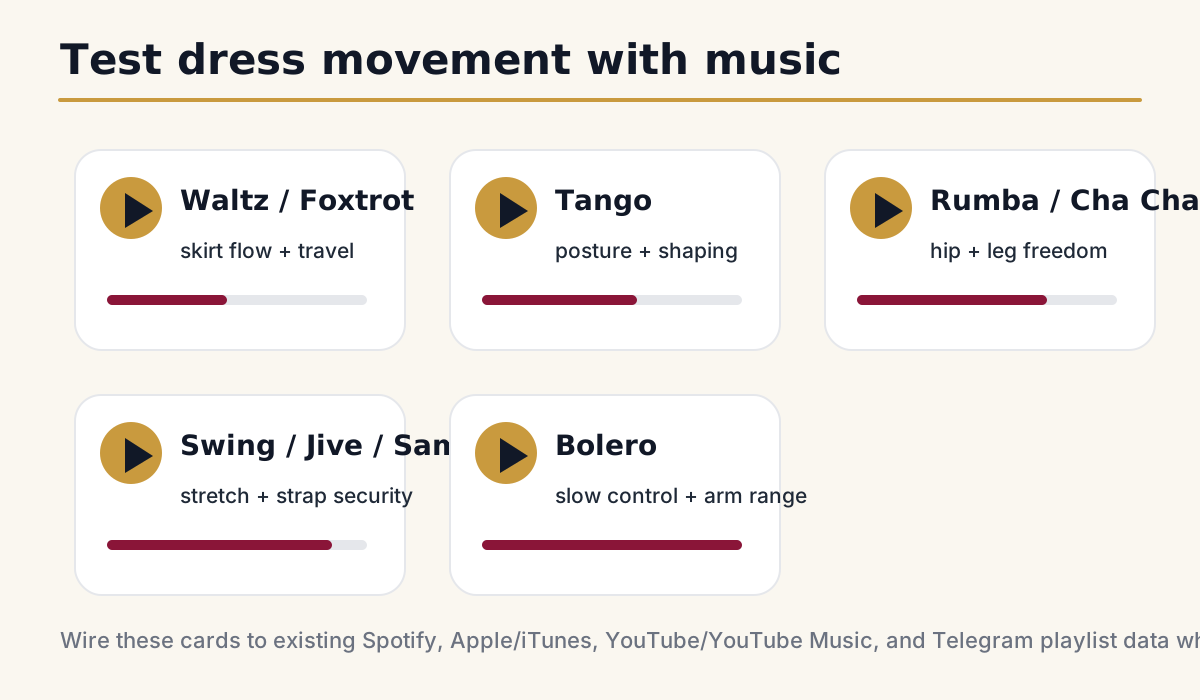
Once a dress feels secure standing still, test it in motion to a song or two from the dance family you’ll wear it for. Browse everything in the Ballroom Pages playlists hub and the Music & Timing section.
What each dance reveals about a dress
Waltz / Foxtrot
Skirt flow, rotation, frame, and travel.
Tango
Posture, frame, and shaping.
Rumba / Cha Cha
Hip action, rib movement, leg freedom.
Swing / Jive / Samba
Stretch, bounce, straps, secure fit.
Bolero
Slow control, rise/fall, arm range.
More resources
Tempo and counting for steady practice.